Stroke is one of the leading causes of long-term disability across the world. Survivors often face physical, cognitive, and emotional challenges that can affect everyday life. One of the most common questions patients and families ask after a stroke is: “How long does recovery take?” Experts at the Best Physiotherapy and Rehab Centre in Gurgaon emphasize that with timely rehabilitation and the right therapy approach, many stroke patients can significantly improve their recovery and quality of life.
The answer varies from person to person. Stroke recovery depends on several factors including the severity of the stroke, the part of the brain affected, the patient’s age, and how quickly rehabilitation begins. With structured therapy and professional support from the Best Physiotherapy and Rehab Centre in Gurgaon, many patients regain independence and improve their quality of life.
This guide explains the timeline of stroke rehabilitation, the stages of recovery, and how specialized therapy plays a crucial role in restoring mobility and function.
Understanding Stroke Treatment at the Best Physiotherapy and Rehab Centre in Gurgaon
A stroke occurs when blood flow to a part of the brain is interrupted. Without oxygen and nutrients, brain cells begin to die within minutes. This can lead to loss of movement, speech difficulties, memory issues, and reduced coordination.
There are two main types of stroke:
- Ischemic stroke – caused by a blockage in a blood vessel supplying the brain.
- Hemorrhagic stroke – caused by bleeding in the brain.
Because different parts of the brain control different functions, the symptoms and recovery process vary widely. Early rehabilitation guided by specialists at the Best Physiotherapy and Rehab Centre in Gurgaon can significantly improve recovery outcomes.
Why Choose the Best Physiotherapy and Rehab Centre in Gurgaon for Stroke Rehabilitation
Stroke rehabilitation focuses on helping survivors relearn skills they lost when part of the brain was damaged. The brain has an incredible ability called neuroplasticity, which means it can reorganize and form new connections to compensate for lost functions.
Rehabilitation programs typically include:
- Physiotherapy for mobility and strength
- Occupational therapy for daily activities
- Speech therapy for communication and swallowing
- Cognitive therapy for memory and thinking skills
A structured recovery plan from the Best Physiotherapy and Rehab Centre in Gurgaon ensures that patients receive personalized therapy tailored to their condition.
Stroke Recovery Timeline at the Best Physiotherapy and Rehab Centre in Gurgaon
Stroke recovery happens in phases. While some improvements occur quickly, others may take months or even years. Most patients see the most rapid recovery within the first three to six months, but progress can continue beyond that period.
Below are the typical stages of stroke rehabilitation.
Stage 1: Immediate Recovery (First 24–48 Hours)
The first stage begins in the hospital immediately after the stroke. Doctors focus on stabilizing the patient and preventing further brain damage.
During this stage, medical professionals monitor:
- Blood pressure
- Oxygen levels
- Brain swelling
- Risk of another stroke
Early mobilization is extremely important. Even small movements or sitting up in bed can help prevent complications such as muscle stiffness or blood clots. Specialists from the Best Physiotherapy and Rehab Centre in Gurgaon often recommend starting rehabilitation as soon as the patient is medically stable.
Stage 2: Early Rehabilitation (First Few Weeks)
Once the patient’s condition stabilizes, structured rehabilitation begins. This phase typically takes place in a hospital rehabilitation unit or specialized center.
During early rehabilitation, patients work on:
- Regaining muscle strength
- Improving balance and coordination
- Restoring speech and communication
- Practicing daily activities such as eating and dressing
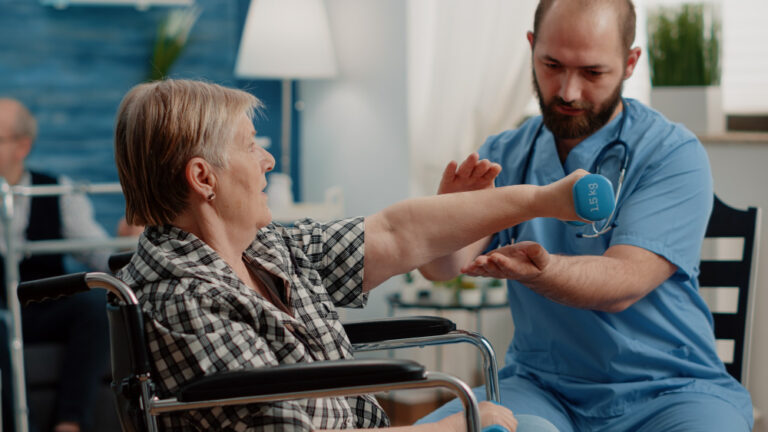
Therapists may use assisted walking devices, stretching exercises, and functional training. Guidance from the Best Physiotherapy and Rehab Centre in Gurgaon can help patients regain basic movement and reduce the risk of long-term disability.
Stage 3: Subacute Recovery (1–3 Months)
This is one of the most important phases of stroke recovery. The brain is highly responsive to therapy during this time, and consistent rehabilitation can produce significant improvements.
Patients may begin to:
- Walk with support
- Improve hand and arm movement
- Regain speech clarity
- Perform daily tasks with less assistance
Therapists often introduce advanced exercises that target coordination, muscle control, and endurance. A personalized therapy plan at the Best Physiotherapy and Rehab Centre in Gurgaon helps patients rebuild strength and confidence during this critical stage.
Stage 4: Long-Term Recovery (3–6 Months and Beyond)
After the initial months, recovery continues but at a slower pace. However, progress is still possible with regular therapy and practice.
In this phase, rehabilitation focuses on:
- Refining motor skills
- Improving stamina
- Increasing independence in daily life
- Preventing secondary complications
Many stroke survivors continue therapy for months or years to maintain progress. Long-term rehabilitation programs at the Best Physiotherapy and Rehab Centre in Gurgaon help patients achieve maximum functional recovery.
Factors That Affect Stroke Recovery Time
Every stroke survivor experiences a unique recovery journey. Several factors influence how long rehabilitation takes.
Severity of the Stroke
A mild stroke may result in faster recovery, while severe strokes can require longer rehabilitation.
Area of the Brain Affected
Different parts of the brain control different functions. Damage to movement centers may affect mobility, while damage to language areas may impact speech.
Age and Overall Health
Younger individuals and those with fewer health conditions often recover more quickly.
Early Start of Rehabilitation
Starting therapy early significantly improves recovery outcomes. Patients receiving treatment at the Best Physiotherapy and Rehab Centre in Gurgaon often benefit from advanced rehabilitation techniques.
Consistency of Therapy
Regular practice and dedication to therapy sessions greatly influence progress.
Role of Physiotherapy in Stroke Rehabilitation
Physiotherapy is one of the most important components of stroke recovery. It helps patients regain movement, strength, and coordination.
Common physiotherapy techniques include:
- Range-of-motion exercises to prevent stiffness
- Balance training to improve stability
- Gait training to relearn walking
- Strength training for weakened muscles
- Functional exercises for everyday activities
A skilled physiotherapist at the Best Physiotherapy and Rehab Centre in Gurgaon designs customized programs based on each patient’s needs and recovery goals.
Emotional and Psychological Recovery
Stroke recovery is not only physical but also emotional. Many survivors experience depression, anxiety, or frustration during rehabilitation.
Support from therapists, family members, and support groups plays a crucial role in maintaining motivation and emotional well-being. Professional counseling services offered by the Best Physiotherapy and Rehab Centre in Gurgaon can help patients cope with these challenges.
Tips to Improve Stroke Recovery
Although recovery timelines vary, certain steps can help improve outcomes.
Start Rehabilitation Early
Early therapy encourages faster brain adaptation.
Follow a Structured Therapy Plan
Consistent exercises and therapy sessions promote steady improvement.
Maintain a Healthy Lifestyle
Balanced nutrition, proper sleep, and regular physical activity support recovery.
Stay Motivated
Recovery can take time, but persistence and dedication make a significant difference.
Work with Experienced Specialists
Professional guidance from the Best Physiotherapy and Rehab Centre in Gurgaon ensures safe and effective rehabilitation.
When to Seek Professional Rehabilitation
Many stroke survivors require ongoing therapy even after leaving the hospital. Signs that professional rehabilitation is needed include:
- Difficulty walking or maintaining balance
- Weakness in the arms or legs
- Trouble speaking or swallowing
- Difficulty performing daily tasks
Comprehensive rehabilitation services at the Best Physiotherapy and Rehab Centre in Gurgaon provide patients with the tools and support needed to regain independence.
The Importance of Family Support
Family members play a critical role in stroke recovery. Their encouragement and assistance help patients stay motivated throughout rehabilitation.
Families can help by:
- Encouraging daily exercises
- Creating a safe home environment
- Attending therapy sessions when possible
- Offering emotional support
Combined efforts between families and experts from the Best Physiotherapy and Rehab Centre in Gurgaon can significantly enhance recovery outcomes.
Looking Ahead: Life After Stroke
Stroke recovery is a journey that requires patience, persistence, and professional support. While some survivors may recover fully, others may continue to experience certain limitations.
The goal of rehabilitation is to help patients regain independence and improve their quality of life. With the right therapy program, many stroke survivors can return to meaningful activities and live fulfilling lives.
Choosing the Best Physiotherapy and Rehab Centre in Gurgaon ensures access to expert therapists, advanced rehabilitation techniques, and personalized care that supports long-term recovery.
Understanding the Stroke Recovery Timeline: What Patients Should Expect
A stroke can change a person’s life suddenly and unexpectedly. It affects not only the patient but also their family and caregivers. One of the most common concerns after a stroke diagnosis is how long recovery will take and what the rehabilitation process looks like.
Stroke rehabilitation is a gradual journey that focuses on helping individuals regain lost abilities such as movement, speech, balance, and independence. With the right medical support and rehabilitation program from the Best Physiotherapy and Rehab Centre in Gurgaon, many stroke survivors can make significant improvements and return to a more active lifestyle.
Understanding the stages of stroke recovery can help patients and families stay prepared, motivated, and committed throughout the rehabilitation journey.
What Happens in the Brain During a Stroke?
A stroke occurs when blood flow to a part of the brain is disrupted. This interruption deprives brain cells of oxygen and nutrients, causing them to become damaged or die. Depending on the area of the brain affected, a stroke may lead to several complications such as:
- Weakness or paralysis on one side of the body
- Difficulty speaking or understanding language
- Memory problems
- Loss of balance or coordination
- Difficulty swallowing
- Vision problems
Because the brain controls many essential functions, stroke recovery focuses on helping the brain adapt and relearn lost skills. Rehabilitation specialists at the Best Physiotherapy and Rehab Centre in Gurgaon use targeted therapies to stimulate the brain and improve functional abilities.
The Stroke Recovery Timeline
Recovery from a stroke does not happen overnight. It progresses through different stages, and each stage plays an important role in regaining lost functions. The speed and extent of recovery depend on multiple factors, including the severity of the stroke and how early rehabilitation begins.
The First Few Days After Stroke
The initial stage of recovery begins in the hospital. During this period, doctors focus on stabilizing the patient and preventing further damage to the brain.
Medical teams monitor the patient closely and address complications such as:
- Brain swelling
- Blood clots
- Breathing difficulties
- High blood pressure
Although the main goal is medical stabilization, early movement is encouraged when possible. Simple activities like sitting up or moving limbs help prevent stiffness and muscle loss. Many healthcare providers recommend beginning rehabilitation as early as possible, often with guidance from the Best Physiotherapy and Rehab Centre in Gurgaon.
The First Month: Early Rehabilitation
The first month after a stroke is considered a critical period for recovery. During this time, patients usually begin intensive rehabilitation programs.
The main goals of early rehabilitation include:
- Improving muscle strength
- Restoring basic mobility
- Preventing muscle contractures
- Improving balance and posture
- Relearning simple daily activities
Patients may work with physiotherapists, occupational therapists, and speech therapists depending on their symptoms. Early intervention from the Best Physiotherapy and Rehab Centre in Gurgaon helps stimulate the brain’s healing process and promotes faster progress.
Months 1–3: Rapid Improvement Phase
The first three months after a stroke often bring the most noticeable improvements. During this phase, the brain is highly responsive to rehabilitation.
Patients may begin to regain abilities such as:
- Walking with support
- Using their hands more effectively
- Improved speech clarity
- Better coordination and balance
Therapists focus on repetitive exercises that help the brain form new neural connections. Rehabilitation programs at the Best Physiotherapy and Rehab Centre in Gurgaon are designed to maximize progress during this critical recovery window.
Months 3–6: Continued Functional Recovery
Although recovery slows slightly after the first three months, significant improvements can still occur. Patients continue to practice exercises that strengthen muscles and improve mobility.
Therapy during this stage may focus on:
- Advanced walking training
- Fine motor skills for hand function
- Improving endurance and stamina
- Increasing independence in daily activities
Many patients regain the ability to perform everyday tasks such as dressing, bathing, and preparing meals. Ongoing therapy with professionals from the Best Physiotherapy and Rehab Centre in Gurgaon helps patients refine these abilities and regain confidence.
Six Months and Beyond: Long-Term Rehabilitation
Stroke recovery does not stop after six months. Some patients continue to see improvements even years later.
Long-term rehabilitation focuses on maintaining progress and preventing complications such as muscle stiffness, joint pain, and balance issues.
During this phase, therapy may include:
- Strength training exercises
- Advanced mobility training
- Cognitive rehabilitation
- Community reintegration activities
Long-term care programs at the Best Physiotherapy and Rehab Centre in Gurgaon ensure that patients continue to improve their quality of life and maintain independence.
Factors That Influence Stroke Recovery
Every stroke survivor’s recovery journey is different. Several factors determine how quickly and effectively a patient recovers.
Severity of the Stroke
Patients who experience mild strokes often recover faster than those with severe brain damage. However, even severe strokes can show improvement with consistent rehabilitation.
Age of the Patient
Younger patients generally recover more quickly because their bodies and brains have greater adaptability.
Location of Brain Damage
Different areas of the brain control different functions. Damage to the motor cortex may affect movement, while damage to language centers may impact speech.
Early Access to Rehabilitation
Patients who begin therapy early often achieve better outcomes. This is why many healthcare professionals recommend specialized programs from the Best Physiotherapy and Rehab Centre in Gurgaon.
Consistency and Motivation
Regular therapy sessions and a positive mindset play a major role in recovery. Patients who actively participate in their rehabilitation exercises tend to see better results.
Key Components of Stroke Rehabilitation
Stroke rehabilitation is a multidisciplinary process involving several therapeutic approaches.
Physiotherapy
Physiotherapy focuses on improving strength, flexibility, and coordination. Exercises help patients regain movement and reduce muscle stiffness.
Therapists at the Best Physiotherapy and Rehab Centre in Gurgaon use specialized techniques to help patients relearn walking and other physical movements.
Occupational Therapy
Occupational therapy helps patients regain independence in daily activities such as eating, dressing, and bathing.
Speech and Language Therapy
Some stroke survivors experience speech difficulties or trouble swallowing. Speech therapy helps restore communication skills and improve swallowing safety.
Cognitive Rehabilitation
Cognitive therapy addresses memory problems, attention difficulties, and problem-solving challenges that may occur after a stroke.
Exercises That Help Stroke Recovery
Regular exercises are essential for rebuilding strength and coordination. Physiotherapists typically recommend a variety of exercises tailored to each patient’s needs.
These may include:
- Passive stretching exercises
- Strength training for weak muscles
- Balance and stability exercises
- Walking practice
- Hand and finger coordination exercises
Guidance from the Best Physiotherapy and Rehab Centre in Gurgaon ensures that these exercises are performed safely and effectively.
Preventing Complications During Recovery
Stroke survivors are at risk of certain complications that can slow down recovery.
These may include:
- Muscle stiffness and joint pain
- Pressure sores from prolonged immobility
- Depression and anxiety
- Blood clots
Regular therapy sessions and proper medical supervision can reduce the risk of these complications. Rehabilitation programs offered by the Best Physiotherapy and Rehab Centre in Gurgaon focus on both recovery and prevention.
Emotional Recovery After Stroke
Emotional health is just as important as physical recovery. Many stroke survivors experience feelings of frustration, sadness, or anxiety.
Emotional challenges may arise due to:
- Loss of independence
- Changes in lifestyle
- Difficulty communicating
- Fear of another stroke
Support from therapists, family members, and counselors can help patients cope with these emotional challenges. Comprehensive rehabilitation programs at the Best Physiotherapy and Rehab Centre in Gurgaon often include psychological support to promote overall well-being.
The Role of Family and Caregivers
Family support plays a crucial role in stroke rehabilitation. Caregivers help patients stay motivated and follow their therapy routines.
Families can assist by:
- Encouraging regular exercise
- Helping with daily activities
- Providing emotional support
- Ensuring a safe home environment
When families work closely with professionals at the Best Physiotherapy and Rehab Centre in Gurgaon, patients often experience smoother and more effective recovery.
Lifestyle Changes That Support Recovery
Adopting a healthy lifestyle can significantly improve stroke recovery and prevent future strokes.
Important lifestyle changes include:
- Maintaining a balanced diet
- Controlling blood pressure and cholesterol
- Engaging in regular physical activity
- Avoiding smoking and excessive alcohol
- Managing stress levels
Healthcare experts at the Best Physiotherapy and Rehab Centre in Gurgaon often guide patients on lifestyle adjustments that support long-term recovery.
Signs of Progress During Stroke Rehabilitation
Recovery milestones vary from person to person. Some common signs of improvement include:
- Increased muscle strength
- Better balance and coordination
- Improved speech clarity
- Greater independence in daily activities
Even small improvements can make a significant difference in a patient’s quality of life. Consistent therapy at the Best Physiotherapy and Rehab Centre in Gurgaon helps patients achieve these milestones.
Staying Motivated During Recovery
Stroke rehabilitation can be challenging, but maintaining a positive attitude is essential for progress.
Patients can stay motivated by:
- Setting realistic recovery goals
- Celebrating small achievements
- Staying consistent with therapy sessions
- Seeking support from family and therapists
Professional guidance from the Best Physiotherapy and Rehab Centre in Gurgaon provides encouragement and structured support throughout the rehabilitation process.
Final Thoughts
Stroke recovery is a gradual journey that requires patience, dedication, and expert care. While the timeline for rehabilitation varies from person to person, early intervention and consistent therapy significantly improve recovery outcomes.
Understanding the stages of stroke recovery can help patients and families stay prepared and motivated throughout the process. With the right rehabilitation program and professional guidance from the Best Physiotherapy and Rehab Centre in Gurgaon, many stroke survivors can regain independence, rebuild strength, and improve their overall quality of life.
Stroke rehabilitation is not just about recovering lost abilities—it is about empowering patients to lead fulfilling and active lives again.