A brain injury can change a person’s life in an instant. From memory problems and movement difficulties to emotional and behavioral changes, the effects can impact every aspect of daily living. Families often ask one important question: Can brain injury patients recover fully? With proper rehabilitation and expert care from the Best Physiotherapy and Rehab Centre in Gurgaon, many patients can regain lost abilities and improve their quality of life through structured therapy and long-term support.
The answer depends on several factors such as the severity of the injury, how quickly treatment begins, and the quality of rehabilitation support. With the right therapy, many patients make significant improvements and regain independence. Rehabilitation plays a critical role in helping the brain heal, relearn skills, and restore lost functions.
Access to specialized care also makes a major difference. Choosing the Best Physiotherapy and Rehab Centre in Gurgaon ensures that patients receive expert guidance, advanced therapies, and a structured recovery plan tailored to their condition.
Understanding Brain Injury
Brain injuries generally fall into two major categories:
1. Traumatic Brain Injury (TBI)
This type of injury occurs due to an external force such as:
- Road accidents
- Falls
- Sports injuries
- Assaults
Traumatic brain injuries can range from mild concussions to severe brain damage affecting multiple brain functions.
2. Acquired Brain Injury (ABI)
These injuries occur due to internal factors such as:
- Stroke
- Brain tumors
- Infections
- Lack of oxygen (hypoxia)
Regardless of the cause, brain injuries disrupt the brain’s normal functioning and require long-term rehabilitation.
Can Brain Injury Patients Recover Fully?
Full recovery from a brain injury varies from person to person. Some patients regain most of their previous abilities, while others may continue to experience certain challenges.
Several factors influence recovery:
Severity of the Injury
Mild injuries may heal quickly with minimal therapy. Severe injuries may require months or even years of rehabilitation.
Location of the Brain Damage
Different areas of the brain control different functions such as movement, speech, memory, and emotions. Damage to critical areas may affect recovery outcomes.
Age of the Patient
Younger patients often recover faster due to higher brain plasticity—the brain’s ability to reorganize and form new connections.
Timing of Rehabilitation
Early intervention greatly improves recovery chances. Starting therapy soon after the injury helps prevent complications and accelerates healing.
Patients receiving treatment at the Best Physiotherapy and Rehab Centre in Gurgaon often benefit from structured rehabilitation programs designed to maximize recovery potential.
The Role of Neuroplasticity in Recovery
One of the most remarkable features of the human brain is neuroplasticity. This is the brain’s ability to adapt, reorganize, and create new neural pathways after injury.
During rehabilitation, repeated exercises and therapies stimulate the brain to relearn lost functions. For example:
- Movement exercises help restore motor skills
- Cognitive training improves memory and attention
- Speech therapy assists in communication recovery
Rehabilitation professionals use this natural ability of the brain to help patients regain independence. Many advanced programs offered by the Best Physiotherapy and Rehab Centre in Gurgaon are specifically designed to harness neuroplasticity and speed up recovery.
Signs of Recovery After Brain Injury
Recovery from brain injury is usually gradual. Patients may experience improvements in stages.
Common signs of progress include:
- Improved muscle strength and coordination
- Better balance and walking ability
- Enhanced memory and concentration
- Improved speech and communication
- Increased independence in daily activities
- Emotional stability and better behavior control
Each small improvement is a step toward regaining normal life.
Importance of Rehabilitation After Brain Injury
Rehabilitation is the cornerstone of brain injury recovery. Without structured therapy, patients may struggle to regain lost skills.
A comprehensive rehabilitation program focuses on multiple aspects of recovery:
Physical Rehabilitation
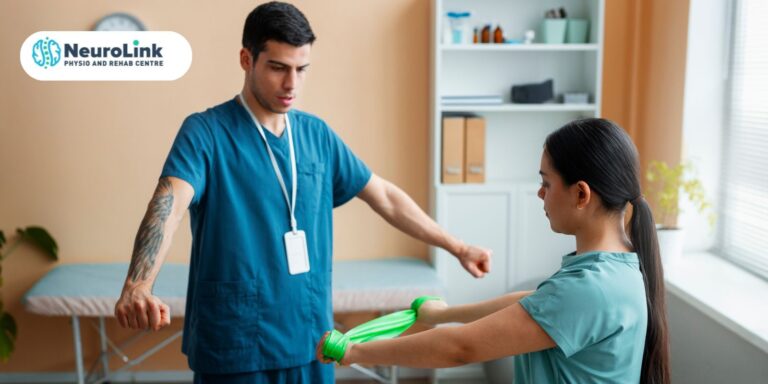
Physical therapy helps restore movement, strength, and coordination.
Cognitive Rehabilitation
This therapy improves memory, problem-solving, and attention.
Speech and Language Therapy
Patients with communication difficulties learn to speak, understand, and express themselves better.
Occupational Therapy
This therapy helps patients relearn daily activities such as dressing, eating, and using household items.
Patients who receive treatment at the Best Physiotherapy and Rehab Centre in Gurgaon benefit from integrated rehabilitation programs that address all aspects of recovery.
Physiotherapy for Brain Injury Recovery
Physiotherapy is one of the most important components of brain injury rehabilitation.
Brain injuries often affect:
- Muscle strength
- Balance
- Coordination
- Mobility
Physiotherapists design exercises to retrain the body and brain to work together again.
Common physiotherapy techniques include:
Mobility Training
Patients practice standing, walking, and changing positions safely.
Balance Training
Exercises improve stability and reduce the risk of falls.
Strength Training
Targeted exercises rebuild weakened muscles.
Coordination Exercises
These exercises help improve hand-eye coordination and motor control.
Receiving treatment at the Best Physiotherapy and Rehab Centre in Gurgaon ensures that patients follow a scientifically designed physiotherapy program tailored to their specific needs.
Advanced Rehabilitation Techniques
Modern rehabilitation centers use advanced technologies to enhance recovery outcomes.
Some innovative treatments include:
Robotic Rehabilitation
Robotic devices assist patients in performing repetitive movements that stimulate neural recovery.
Virtual Reality Therapy
Interactive environments encourage patients to practice movements and cognitive tasks.
Functional Electrical Stimulation
Electrical impulses activate muscles to improve movement and strength.
Gait Training Systems
These systems help patients relearn walking patterns safely.
Such advanced therapies are commonly available at the Best Physiotherapy and Rehab Centre in Gurgaon, helping patients achieve faster and more effective recovery.
Emotional and Psychological Recovery
Brain injuries do not only affect physical abilities. Many patients experience emotional and psychological challenges such as:
- Depression
- Anxiety
- Mood swings
- Personality changes
Psychological support and counseling are essential parts of rehabilitation. Mental health professionals help patients and families cope with the emotional impact of brain injury.
Support groups and therapy sessions also play an important role in improving confidence and motivation during recovery.
The Role of Family Support in Recovery
Family members play a crucial role in the rehabilitation journey.
Support from loved ones can:
- Motivate patients to continue therapy
- Encourage independence
- Provide emotional comfort
- Help with daily activities during recovery
Families are often trained by therapists to assist patients safely at home. When combined with professional treatment from the Best Physiotherapy and Rehab Centre in Gurgaon, family involvement significantly improves recovery outcomes.
How Long Does Brain Injury Recovery Take?
Recovery timelines vary widely.
Mild Brain Injury
Recovery may occur within weeks to a few months.
Moderate Brain Injury
Patients may need several months of rehabilitation.
Severe Brain Injury
Recovery can take years and may require long-term therapy.
Even when full recovery is not possible, rehabilitation can greatly improve quality of life and independence.
Consistent therapy at the Best Physiotherapy and Rehab Centre in Gurgaon helps patients maintain steady progress throughout their recovery journey.
Challenges During Brain Injury Rehabilitation
Recovery from brain injury can be complex. Patients may face several challenges such as:
- Fatigue and lack of energy
- Memory difficulties
- Difficulty concentrating
- Slow physical progress
- Emotional frustration
These challenges are normal during rehabilitation. Professional therapists adjust treatment plans to ensure steady progress while keeping patients motivated.
Tips to Improve Brain Injury Recovery
Patients and caregivers can support recovery by following certain practices:
Follow Therapy Consistently
Regular therapy sessions are essential for progress.
Maintain a Healthy Lifestyle
Nutritious food, proper sleep, and hydration support brain healing.
Stay Mentally Active
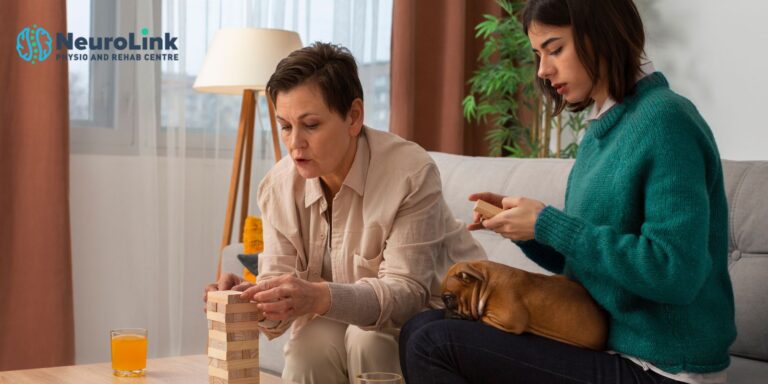
Activities like puzzles, reading, and memory exercises stimulate brain function.
Be Patient with Progress
Recovery takes time, and small improvements should be celebrated.
Stay Positive
A positive mindset greatly influences recovery outcomes.
Working closely with specialists at the Best Physiotherapy and Rehab Centre in Gurgaon ensures that patients receive the right guidance throughout the rehabilitation process.
Why Early Rehabilitation Matters
Starting rehabilitation early after a brain injury offers several advantages:
- Prevents muscle stiffness and weakness
- Improves brain plasticity
- Reduces complications
- Accelerates recovery
- Improves long-term outcomes
Early intervention combined with advanced therapies at the Best Physiotherapy and Rehab Centre in Gurgaon can significantly enhance a patient’s chances of regaining independence.
Choosing the Right Rehabilitation Centre
Selecting the right rehabilitation center is one of the most important decisions in the recovery journey.
Key factors to consider include:
- Experienced rehabilitation specialists
- Multidisciplinary therapy programs
- Advanced treatment technologies
- Personalized rehabilitation plans
- Patient-focused care environment
A center that combines these features provides the best chance for successful recovery.
Many patients and families prefer the Best Physiotherapy and Rehab Centre in Gurgaon because of its comprehensive rehabilitation approach and experienced healthcare professionals dedicated to helping patients regain their independence.
How Physiotherapy Helps in Brain Injury Recovery: A Complete Rehabilitation Guide
Brain injuries can significantly affect a person’s physical, cognitive, and emotional abilities. Whether caused by accidents, strokes, infections, or lack of oxygen, brain injuries often lead to challenges in movement, speech, memory, and daily functioning. Recovery from such injuries requires structured rehabilitation and specialized therapy to help patients regain lost abilities and improve their quality of life.
One of the most effective components of brain injury rehabilitation is physiotherapy. Through targeted exercises, movement training, and advanced therapy techniques, physiotherapy helps restore strength, balance, coordination, and mobility. Many patients achieve significant improvements when they receive treatment from the Best Physiotherapy and Rehab Centre in Gurgaon, where expert therapists create personalized rehabilitation programs.
Understanding how physiotherapy supports brain injury recovery can help patients and families make informed decisions about treatment and rehabilitation.
Understanding Brain Injury and Its Impact
A brain injury occurs when the brain is damaged due to trauma or internal medical conditions. The severity of the injury can range from mild to severe, and its effects vary depending on the area of the brain affected.
Common causes of brain injuries include:
- Road accidents
- Falls and head trauma
- Sports injuries
- Stroke
- Brain infections
- Lack of oxygen to the brain
- Tumors or neurological disorders
The brain controls every function of the body, so an injury can disrupt several physical and cognitive abilities.
Common symptoms experienced by brain injury patients include:
- Muscle weakness or paralysis
- Loss of balance and coordination
- Difficulty walking
- Speech and communication problems
- Memory loss and confusion
- Behavioral or emotional changes
- Difficulty performing daily tasks
Proper rehabilitation is essential to help patients recover these abilities. Specialized programs at the Best Physiotherapy and Rehab Centre in Gurgaon focus on restoring both physical and functional independence.
The Importance of Physiotherapy in Brain Injury Recovery
Physiotherapy plays a vital role in helping brain injury patients regain mobility and physical control. After a brain injury, the communication between the brain and muscles may be disrupted, making it difficult for patients to perform even simple movements.
Physiotherapy helps retrain the brain and body to work together again.
Key goals of physiotherapy include:
- Restoring movement and mobility
- Improving muscle strength
- Enhancing balance and coordination
- Reducing muscle stiffness and spasticity
- Preventing secondary complications
- Promoting independence in daily activities
When treatment is guided by experienced professionals at the Best Physiotherapy and Rehab Centre in Gurgaon, patients often experience faster and more structured recovery.
How the Brain Relearns Skills After Injury
The brain has a remarkable ability called neuroplasticity, which allows it to reorganize and form new neural connections after injury.
During physiotherapy, repetitive exercises stimulate the brain to develop new pathways that compensate for damaged areas. This process allows patients to relearn movements and regain lost functions.
For example:
- Walking exercises help restore mobility
- Hand coordination exercises improve motor control
- Balance training improves stability
Consistent therapy encourages the brain to adapt and recover over time. This is why structured rehabilitation programs at the Best Physiotherapy and Rehab Centre in Gurgaon emphasize repeated practice and progressive training.
Key Physiotherapy Techniques Used in Brain Injury Rehabilitation
Physiotherapists use a variety of techniques to help patients recover movement and strength. Each treatment plan is customized based on the patient’s condition and recovery goals.
Mobility Training
Many brain injury patients experience difficulty standing or walking. Mobility training focuses on improving movement through guided exercises.
Therapists may assist patients with:
- Walking practice
- Standing balance
- Transfer training (bed to chair movement)
- Posture correction
These exercises gradually restore independence and confidence.
Strengthening Exercises
Muscle weakness is a common issue after brain injury. Strength training exercises help rebuild muscle power and endurance.
Examples include:
- Resistance training
- Leg strengthening exercises
- Core stability workouts
- Arm and shoulder strengthening
Strengthening exercises are carefully monitored to ensure safety and effectiveness.
Balance and Coordination Training
Brain injuries often affect the body’s balance system, increasing the risk of falls.
Balance training helps patients regain stability and coordination. Therapists may use:
- Balance boards
- Stability exercises
- Controlled walking drills
- Functional movement training
Such therapy programs are commonly available at the Best Physiotherapy and Rehab Centre in Gurgaon, where therapists use specialized equipment to improve balance and mobility.
Gait Training
Gait training focuses on helping patients relearn how to walk properly.
Brain injuries may cause abnormal walking patterns due to muscle weakness or poor coordination. Physiotherapists work with patients to correct posture, improve step patterns, and strengthen walking ability.
Techniques may include:
- Assisted walking with support devices
- Treadmill training
- Robotic-assisted gait therapy
These methods help restore normal walking patterns over time.
Range of Motion Exercises
Joint stiffness and muscle tightness are common after brain injury, especially if the patient has limited movement.
Range of motion exercises help maintain flexibility and prevent joint complications. These exercises keep the muscles and joints active, even if the patient cannot move independently.
Advanced Rehabilitation Technologies
Modern rehabilitation centers use advanced technology to enhance recovery outcomes.
Some innovative therapies include:
Robotic-Assisted Therapy
Robotic devices help patients perform repetitive movements that stimulate neural recovery.
Virtual Reality Rehabilitation
Virtual reality programs create interactive environments where patients practice movements and coordination tasks.
Functional Electrical Stimulation
Electrical impulses stimulate muscles, helping improve movement and strength.
These advanced therapies are often offered at the Best Physiotherapy and Rehab Centre in Gurgaon, where modern technology is integrated into rehabilitation programs.
The Role of Occupational Therapy
In addition to physiotherapy, occupational therapy helps brain injury patients regain independence in daily life.
Occupational therapists focus on activities such as:
- Dressing and grooming
- Eating and cooking
- Using household tools
- Writing and fine motor tasks
By practicing these activities, patients gradually regain the ability to manage their daily routines.
Speech and Cognitive Rehabilitation
Brain injuries may also affect communication and thinking abilities.
Speech therapists help patients improve:
- Speech clarity
- Language understanding
- Communication skills
- Swallowing ability
Cognitive therapy focuses on improving memory, attention, and problem-solving skills.
When these therapies are combined with physiotherapy at the Best Physiotherapy and Rehab Centre in Gurgaon, patients receive comprehensive rehabilitation support.
Emotional and Psychological Support
Brain injuries can also impact emotional well-being. Many patients experience:
- Depression
- Anxiety
- Mood swings
- Loss of motivation
Psychological counseling and emotional support are essential parts of rehabilitation. Mental health professionals help patients cope with these challenges and maintain a positive mindset during recovery.
Family counseling may also be provided to help loved ones understand the recovery process.
The Importance of Early Rehabilitation
Starting physiotherapy early after a brain injury significantly improves recovery outcomes.
Early rehabilitation helps:
- Prevent muscle stiffness
- Maintain joint flexibility
- Improve brain plasticity
- Reduce long-term disability
- Accelerate recovery progress
Patients who begin therapy at the Best Physiotherapy and Rehab Centre in Gurgaon soon after injury often achieve better functional outcomes.
How Long Does Brain Injury Rehabilitation Take?
Recovery timelines vary depending on several factors:
- Severity of the injury
- Age of the patient
- Overall health condition
- Level of therapy participation
- Availability of specialized rehabilitation care
Mild injuries may recover within weeks, while severe injuries may require months or years of rehabilitation.
Consistent therapy and professional support are essential for long-term improvement.
The Role of Family in Recovery
Family involvement plays an important role in the rehabilitation journey.
Loved ones can support recovery by:
- Encouraging therapy participation
- Assisting with home exercises
- Providing emotional support
- Helping patients stay motivated
Therapists often educate family members on safe ways to assist patients at home.
When combined with professional treatment at the Best Physiotherapy and Rehab Centre in Gurgaon, family support significantly improves recovery outcomes.
Tips for Supporting Brain Injury Recovery
Patients and caregivers can follow several practices to support rehabilitation:
Stay Consistent with Therapy
Regular physiotherapy sessions are essential for progress.
Maintain a Healthy Diet
Nutritious food supports brain healing and overall health.
Practice Home Exercises
Therapists often recommend exercises to be continued at home.
Get Adequate Rest
The brain needs time to heal, so proper sleep is important.
Stay Mentally Active
Activities like reading, puzzles, and memory games help stimulate brain function.
These habits complement professional rehabilitation programs offered at the Best Physiotherapy and Rehab Centre in Gurgaon.
Choosing the Right Rehabilitation Centre
Selecting the right rehabilitation center is crucial for successful recovery.
Important factors to consider include:
- Experienced physiotherapists and rehabilitation specialists
- Personalized treatment plans
- Advanced rehabilitation equipment
- Multidisciplinary therapy approach
- Patient-focused care
The Best Physiotherapy and Rehab Centre in Gurgaon provides comprehensive rehabilitation programs designed to address both physical and cognitive recovery.
Final Thoughts
Brain injury recovery can be a challenging journey, but with the right rehabilitation support, many patients regain significant independence and improve their quality of life. Physiotherapy plays a crucial role in restoring movement, strength, balance, and functional abilities after brain injury.
Through structured exercises, advanced therapy techniques, and continuous support, physiotherapy helps the brain and body relearn lost skills. Early intervention, consistent therapy, and emotional encouragement are key factors that contribute to successful recovery.
Seeking treatment at the Best Physiotherapy and Rehab Centre in Gurgaon ensures that patients receive expert care, advanced rehabilitation methods, and personalized therapy programs tailored to their needs.
With dedication, patience, and professional guidance, brain injury patients can make steady progress and move toward a more independent and fulfilling life.