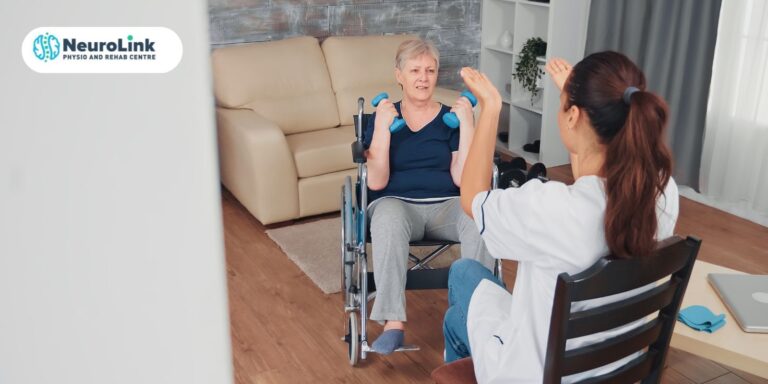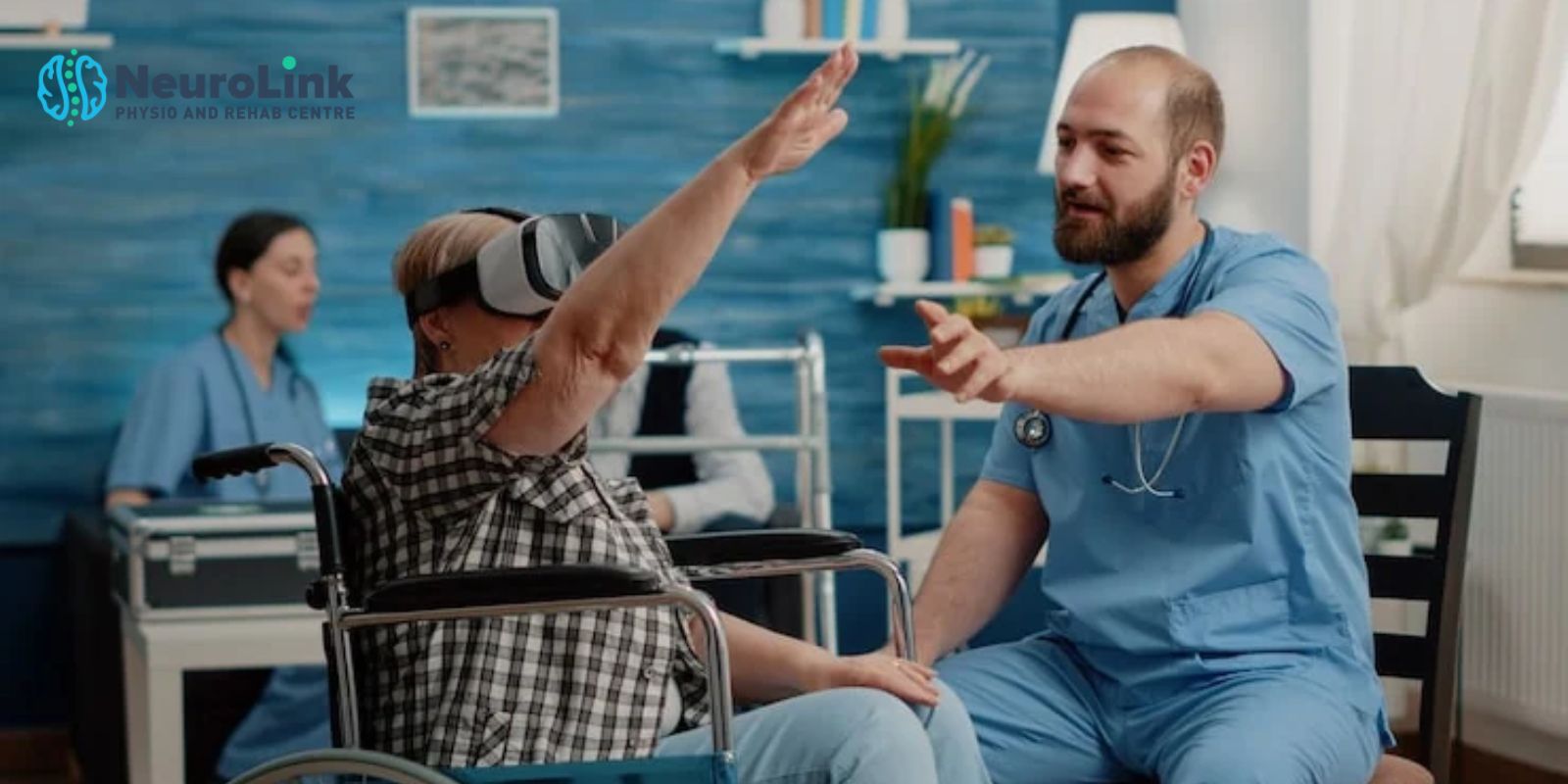
A stroke can bring many changes to a person’s life. It may affect the ability to walk, speak, move the hands and legs, maintain balance, or perform everyday activities. However, choosing the right rehab centre in hyderabad, along with proper medical guidance, regular rehabilitation, and family support, can help many people work towards improving their abilities and becoming more independent.
Choosing the right rehab centre in hyderabad is an important step in this journey. A good rehabilitation centre provides the right environment, trained professionals, personalised therapy, and regular support to help patients work towards their recovery goals.
Families often have many questions after a stroke. Which rehabilitation centre should they choose? What therapies does a patient need? How important is physiotherapy? Should they look for robotic rehabilitation? How can they know whether a centre is suitable for their family member?
If you are searching for a reliable rehab centre in hyderabad, understanding these points can help you make a better decision.
At NeuroLink Advanced Robotic Rehab Centre, Manikonda, Hyderabad, patients can explore structured rehabilitation and technology-supported physiotherapy to work towards better movement, balance, strength, and daily independence.
What Happens to the Body After a Stroke?
A stroke happens when the blood supply to a part of the brain is interrupted or when bleeding occurs in the brain. Brain cells need oxygen and nutrients from the blood to work properly. When this supply is affected, some brain functions may become weak.
The effects of a stroke are different for every person. Some people may have difficulty moving one side of their body, while others may experience problems with speech, balance, memory, or coordination.
Common difficulties after a stroke include:
- Weakness in one arm or leg.
- Difficulty standing or walking.
- Poor body balance and coordination.
- Difficulty holding objects or using the hands.
- Problems speaking or understanding words.
- Difficulty performing everyday activities.
- Reduced muscle control and movement.
- Difficulty swallowing in some cases.
This is why choosing a suitable rehab centre in hyderabad is important. Rehabilitation focuses on helping patients practise movements and daily activities according to their individual needs.
The right rehabilitation plan can support patients in working towards meaningful goals, such as sitting comfortably, standing with support, walking, using their hands, and communicating more easily.
Why Is Rehabilitation Important After a Stroke?
Rehabilitation plays an important role in life after a stroke. It helps patients practise skills that may have become difficult because of changes in brain function.
The main aim is to improve the patient’s ability to perform daily activities and participate more comfortably in family and social life.
A professional rehab centre in hyderabad can help patients follow a structured therapy routine based on their physical condition and recovery goals.
Here are some important benefits of stroke rehabilitation.
1. Helps Improve Body Movement
After a stroke, some muscles may become weak or difficult to control. Physiotherapy helps patients practise safe and guided movements.
Therapists may use exercises to improve muscle strength, joint movement, coordination, and control.
2. Supports Better Walking and Balance
Some patients may find it difficult to stand, walk, or change positions after a stroke.
A suitable rehab centre in hyderabad can provide supervised balance exercises, walking practice, and movement training according to the patient’s abilities.
3. Encourages Daily Independence
Simple activities such as eating, dressing, bathing, and using the bathroom may become challenging after a stroke.
Rehabilitation helps patients practise these activities and learn ways to perform them more independently.
4. Supports Hand and Arm Function
A stroke may affect the ability to hold a glass, pick up objects, or use the fingers.
Specific exercises and functional activities can help patients practise hand movements and improve the use of their affected arm.
5. Builds Confidence
Every small improvement can make a meaningful difference.
Standing for a few seconds, taking supported steps, or holding an object can help patients feel more confident about their abilities.
A supportive rehab centre in hyderabad provides an encouraging environment where patients can work towards their goals at a comfortable pace.
10 Important Things to Check Before Choosing a Rehab Centre in Hyderabad
Not every rehabilitation centre provides the same services. Before making a decision, families should understand the patient’s needs and compare the available facilities.
Here are ten important things to consider when selecting a rehab centre in hyderabad after a stroke.
1. Check the Experience in Neurological Rehabilitation
Stroke recovery requires a good understanding of how the brain and body work together.
Look for a centre that provides neurological physiotherapy and rehabilitation for conditions such as stroke, paralysis, and movement difficulties.
Ask whether the therapists have experience working with stroke patients.
A specialised rehab centre in hyderabad should understand that every patient has different movement challenges and requires an individual approach.
2. Look for Personalised Rehabilitation Plans
Every stroke patient has different needs.
One patient may need help with walking, while another may need support with hand movements, sitting balance, or body coordination.
A good rehabilitation programme should begin with an assessment of the patient’s condition.
The therapist should understand:
- Current movement abilities.
- Muscle strength and control.
- Sitting and standing balance.
- Walking ability.
- Hand and arm movement.
- Daily activity requirements.
- Personal recovery goals.
A reliable rehab centre in hyderabad should use this information to prepare a suitable therapy plan.
The plan should also be reviewed as the patient’s abilities and needs change.
3. Check the Physiotherapy Facilities
Physiotherapy is an important part of stroke rehabilitation.
It helps patients practise movements, improve strength, develop balance, and work towards better mobility.
Before choosing a rehab centre in hyderabad, ask about the physiotherapy facilities and treatment methods available.
These may include:
- Strength-building exercises.
- Balance training.
- Walking practice.
- Sitting and standing exercises.
- Joint movement exercises.
- Coordination activities.
- Functional movement training.
The therapy should be suitable for the patient’s condition and supervised by qualified professionals.
4. Ask About Robotic Rehabilitation Technology
Technology has become an important part of modern neurological rehabilitation.
Some centres use robotic-assisted rehabilitation equipment to support guided and repetitive movement training.
These systems may help patients practise specific movements with controlled assistance under professional supervision.
When comparing a rehab centre in hyderabad, ask whether robotic rehabilitation is available and whether it is suitable for the patient’s condition.
Robotic technology may support:
- Guided movement practice.
- Repetitive exercise.
- Walking and gait training.
- Balance and coordination activities.
- Controlled movement of affected limbs.
However, robotic equipment is not necessary or suitable for every patient. It should be selected according to clinical assessment and used as part of an appropriate rehabilitation programme.
5. Check Whether the Centre Supports Walking Training
Walking difficulties are common after a stroke.
Some patients may need help standing, while others may be able to walk but struggle with balance or coordination.
A suitable rehab centre in hyderabad should provide appropriate mobility training based on the patient’s abilities.
Walking rehabilitation may involve:
- Supported standing exercises.
- Weight-shifting activities.
- Step-by-step walking practice.
- Balance exercises.
- Lower-limb strengthening.
- Gait training.
The goal is to help patients practise safer and more controlled movement.
6. Look for Hand and Arm Rehabilitation
Hand and arm movements are important for everyday activities.
After a stroke, patients may find it difficult to hold a spoon, button a shirt, lift a cup, or pick up small objects.
Ask whether the rehab centre in hyderabad offers upper-limb rehabilitation and functional hand training.
Therapy may include finger movements, grasping activities, reaching exercises, and other tasks that help patients practise using their affected arm.
7. Ask About Speech and Communication Support
Some stroke patients experience difficulty speaking, understanding language, or communicating their needs.
Speech and language therapy can help address these difficulties.
If the patient has communication or swallowing problems, ask whether the rehab centre in hyderabad provides access to a qualified speech and language therapist or can coordinate a suitable referral.
Depending on the patient’s needs, therapy may focus on:
- Speaking and pronunciation.
- Understanding words.
- Forming sentences.
- Communication skills.
- Swallowing assessment and support.
Speech therapy should be planned according to an appropriate professional assessment.
8. Understand the Daily Therapy Schedule
Consistency is an important part of rehabilitation.
Patients need a suitable therapy schedule that matches their medical condition, energy levels, and personal goals.
Before selecting a rehab centre in hyderabad, ask:
- How often are therapy sessions provided?
- How long does each session last?
- Are therapy goals reviewed regularly?
- Is the schedule adjusted for patient fatigue?
- Can family members participate in suitable sessions?
A good programme should encourage regular practice without placing unnecessary physical stress on the patient.
9. Check Family Involvement and Caregiver Guidance
Family members play an important role in stroke rehabilitation.
They often help patients practise daily activities, follow therapy instructions, and maintain a positive routine at home.
A patient-friendly rehab centre in hyderabad should guide family members on safe assistance, positioning, mobility support, and home exercises prescribed by the therapist.
Caregiver education can make the rehabilitation journey more organised and comfortable for everyone.
10. Visit the Centre Before Making a Decision
A personal visit can help families understand the centre’s environment and facilities.
When visiting a rehab centre in hyderabad, observe:
- Clean and organised therapy areas.
- Available rehabilitation equipment.
- Patient safety arrangements.
- Therapist interaction with patients.
- Accessibility for people with mobility difficulties.
- Communication with family members.
You can also discuss the patient’s medical history, current abilities, therapy requirements, and expected rehabilitation schedule.
A centre that explains its treatment approach clearly can help families make an informed decision.
Which Therapies Can Help After a Stroke?
Stroke rehabilitation may involve different types of therapy. The treatment plan depends on the patient’s condition, the areas affected by the stroke, and the goals identified during assessment.
When searching for a rehab centre in hyderabad, understanding these therapies can help you ask the right questions.
1. Physiotherapy
Physiotherapy focuses on movement, strength, balance, and mobility.
It may help patients practise:
- Sitting and standing.
- Moving the arms and legs.
- Walking with suitable support.
- Improving balance.
- Strengthening muscles.
- Improving coordination.
The therapist selects exercises according to the patient’s current abilities.
2. Occupational Therapy
Occupational therapy focuses on everyday activities.
It helps patients practise tasks such as eating, dressing, grooming, writing, and using household objects.
A suitable rehab centre in hyderabad should be able to explain whether occupational therapy is available or how patients can access it.
3. Speech and Language Therapy
Speech therapy supports patients who have difficulty communicating or swallowing after a stroke.
A qualified speech therapist assesses the patient’s needs and develops suitable activities to improve communication and related functions.
4. Balance and Coordination Training
Balance problems can make standing and walking difficult.
Therapists may use supervised activities to help patients practise body control, weight shifting, and coordinated movement.
5. Robotic-Assisted Rehabilitation
Robotic rehabilitation uses specialised equipment to assist with repetitive and guided movements.
At a technology-supported rehab centre in hyderabad, such equipment may form part of a personalised programme for selected patients.
It is important to remember that technology supports rehabilitation; it does not replace professional assessment, therapist guidance, or active patient participation.
Why Choose NeuroLink Advanced Robotic Rehab Centre in Hyderabad?
Finding the right rehabilitation facility is about more than choosing a nearby clinic. Families should look for an environment that understands neurological rehabilitation and provides suitable facilities for individual recovery goals.
NeuroLink Advanced Robotic Rehab Centre, located in Manikonda, Hyderabad, focuses on neurological rehabilitation and technology-supported physiotherapy.
For families exploring a rehab centre in hyderabad, NeuroLink offers an option to discuss stroke-related movement difficulties and personalised rehabilitation requirements.
1. Focus on Neurological Rehabilitation
Stroke can affect different parts of the body and everyday functioning.
NeuroLink focuses on neurological rehabilitation, including support for patients experiencing movement difficulties following neurological conditions.
2. Technology-Supported Rehabilitation
Robotic rehabilitation technology can support guided and repetitive movement exercises for suitable patients.
At NeuroLink, patients and families can enquire about available robotic rehabilitation facilities and whether these approaches are appropriate for their individual requirements.
3. Focus on Movement and Mobility
Movement is an important part of everyday independence.
Rehabilitation activities may focus on improving body control, strength, coordination, balance, and functional movement.
The treatment approach is based on the patient’s assessment and abilities.
4. Individual Attention
Every patient has different rehabilitation needs.
A suitable programme should consider the patient’s present condition, movement limitations, comfort, and personal goals.
At NeuroLink, families can discuss the patient’s requirements with the rehabilitation team to understand the available treatment options.
5. Support for Patients and Families
Stroke rehabilitation involves both the patient and the people supporting them.
Understanding the therapy process, following professional instructions, and maintaining regular practice can help families participate more confidently in the recovery journey.
If you are considering a rehab centre in hyderabad, you can visit NeuroLink Advanced Robotic Rehab Centre in Manikonda to learn more about its facilities and rehabilitation services.
What Goals Should You Set for Stroke Rehabilitation?
Setting realistic goals is an important part of rehabilitation.
Instead of expecting all improvements at once, patients and families should focus on small, meaningful steps.
A good rehab centre in hyderabad will help patients work towards goals that match their abilities and medical condition.
Some common rehabilitation goals include:
Early movement goals
- Improving sitting balance.
- Practising safe body positioning.
- Moving the affected arm or leg.
- Improving joint movement.
Mobility goals
- Standing with suitable support.
- Improving weight shifting.
- Practising supported walking.
- Improving balance and coordination.
Daily activity goals
- Holding a glass.
- Using a spoon.
- Dressing with less assistance.
- Performing personal care activities.
Long-term functional goals
- Improving walking ability.
- Becoming more independent in daily activities.
- Participating in family activities.
- Returning to suitable hobbies and social activities.
These goals should be reviewed regularly. Progress can vary from one person to another, and there is no fixed recovery timeline for every stroke patient.
When Should Rehabilitation Start After a Stroke?
Rehabilitation planning should begin during hospital care, as soon as the patient’s medical condition allows it.
The timing and type of activity depend on the stroke, the patient’s health, and the treating medical team’s advice.
Once the patient is medically stable, the family can discuss the next rehabilitation steps with the treating doctor.
Choosing a suitable rehab centre in hyderabad early can help families plan the transition from hospital care to continued rehabilitation.
The rehabilitation team can assess the patient’s abilities and recommend an appropriate programme.
It is important not to start exercises, standing practice, or walking activities without professional guidance.
How Can Family Members Support Stroke Recovery at Home?
Family support can make rehabilitation more organised and encouraging.
Patients often feel more comfortable when their loved ones understand their needs and participate in suitable activities.
A professional rehab centre in hyderabad can guide caregivers on how to support the patient safely.
Here are some helpful ways families can participate.
Encourage Regular Practice
Help the patient follow the exercises recommended by the therapist.
Short, supervised practice sessions may be included in the daily routine, depending on the patient’s condition.
Make the Home Environment Safer
Keep walking areas clear and ensure that frequently used items are easy to reach.
Follow professional advice about handrails, walking aids, bathroom safety, and seating arrangements.
Celebrate Small Achievements
Recognise every positive step.
Whether the patient improves their sitting balance or practises a new hand movement, encouragement can help build confidence.
Follow the Therapy Plan
Do not change exercises or increase their difficulty without consulting the therapist.
A structured plan from a rehab centre in hyderabad can help family members understand what activities are appropriate.
Maintain Regular Medical Follow-Ups
Rehabilitation and medical care should work together.
Continue prescribed medicines and follow-up appointments as advised by the treating doctor.
Never stop or change medication without medical advice.
Questions to Ask Before Selecting a Rehabilitation Centre
Before finalising a rehab centre in hyderabad, families can ask a few simple questions to understand the available services.
- Do you provide rehabilitation for stroke patients?
- Who will assess the patient’s physical condition?
- What physiotherapy services are available?
- Do you provide robotic-assisted rehabilitation?
- Is walking and balance training available?
- Can patients receive hand and arm rehabilitation?
- Is speech therapy available or arranged through referrals?
- How are rehabilitation goals decided?
- How frequently is patient progress reviewed?
- What guidance is provided to family members?
The answers can help you understand whether the centre is suitable for your family member.
FAQs – Rehab Centre in Hyderabad
1. How do I choose the best rehab centre in Hyderabad after a stroke?
Choose a rehab centre in Hyderabad that offers personalised rehabilitation plans, experienced rehabilitation professionals, physiotherapy, occupational therapy, speech therapy, and regular progress monitoring. Also, check whether the centre provides suitable facilities for the patient’s recovery needs.
2. When should stroke rehabilitation start?
Stroke rehabilitation may begin as soon as the patient’s medical condition is stable and the treating doctor recommends it. Early assessment helps the rehabilitation team identify the patient’s needs and plan suitable therapy.
3. What therapies are needed after a stroke?
Stroke rehabilitation may include physiotherapy to improve movement and balance, occupational therapy to support daily activities, and speech therapy to address communication or swallowing difficulties. The treatment plan depends on the patient’s condition.
4. How long does stroke rehabilitation take?
Recovery time varies from person to person. Some patients may show progress within weeks, while others need several months or longer. Consistent therapy, medical guidance, and regular progress assessments can support recovery.
5. Can a stroke patient walk again after rehabilitation?
Many stroke patients can work towards improving their walking ability through guided physiotherapy, balance training, strength exercises, and mobility practice. Results depend on the severity of the stroke and the individual’s overall health.
6. Is robotic rehabilitation helpful after a stroke?
Robotic-assisted rehabilitation may support repetitive and guided movement training for suitable patients. It can be used as part of a personalised rehabilitation programme under professional supervision.
7. What is the difference between physiotherapy and stroke rehabilitation?
Physiotherapy mainly focuses on improving movement, strength, flexibility, and balance. Stroke rehabilitation is a broader approach that may combine physiotherapy, occupational therapy, speech therapy, and other support based on the patient’s needs.
8. Does a stroke patient need inpatient or outpatient rehabilitation?
The choice depends on the patient’s medical condition, mobility, daily care requirements, and rehabilitation goals. Inpatient care may be suitable for people who need more support, while outpatient therapy may work for those who can attend scheduled sessions.
9. Can speech therapy help stroke patients who have difficulty speaking?
Yes. Speech therapy can help suitable stroke patients work on speaking, understanding language, communication, and swallowing difficulties. The speech therapist assesses the patient’s condition and recommends appropriate exercises.
10. Where can I find a stroke rehabilitation centre in Hyderabad?
You can explore NeuroLink Advanced Robotic Rehab Centre in Manikonda, Hyderabad, for rehabilitation support related to stroke, paralysis, and spinal cord injuries. Contact the centre to understand its available therapies and whether they match the patient’s needs.
📞 Contact Us: 97 0303 0405
🌐 Explore Our Services:
https://neurolinkrehab.com/services/
📱 Follow Us on Instagram:
https://www.instagram.com/neurolink.hyd
📘 Follow Us on Facebook:
https://www.facebook.com/neurolinkrehab
NeuroLink Rehab — Supporting Better Recovery, Mobility & Independence.