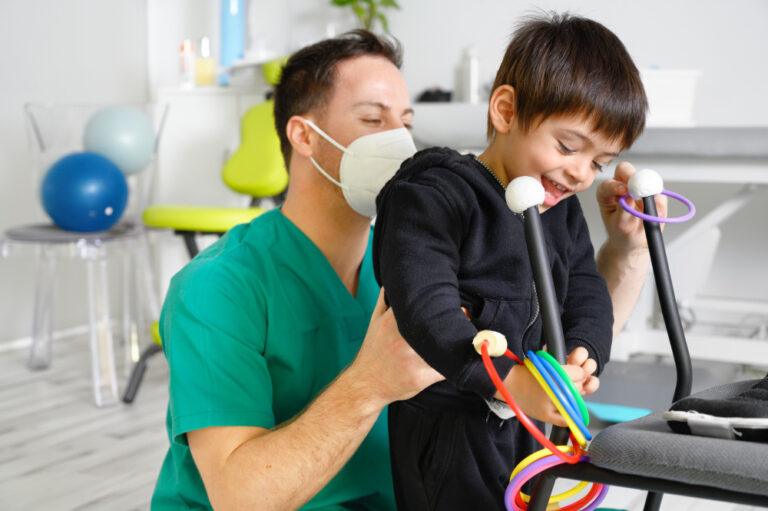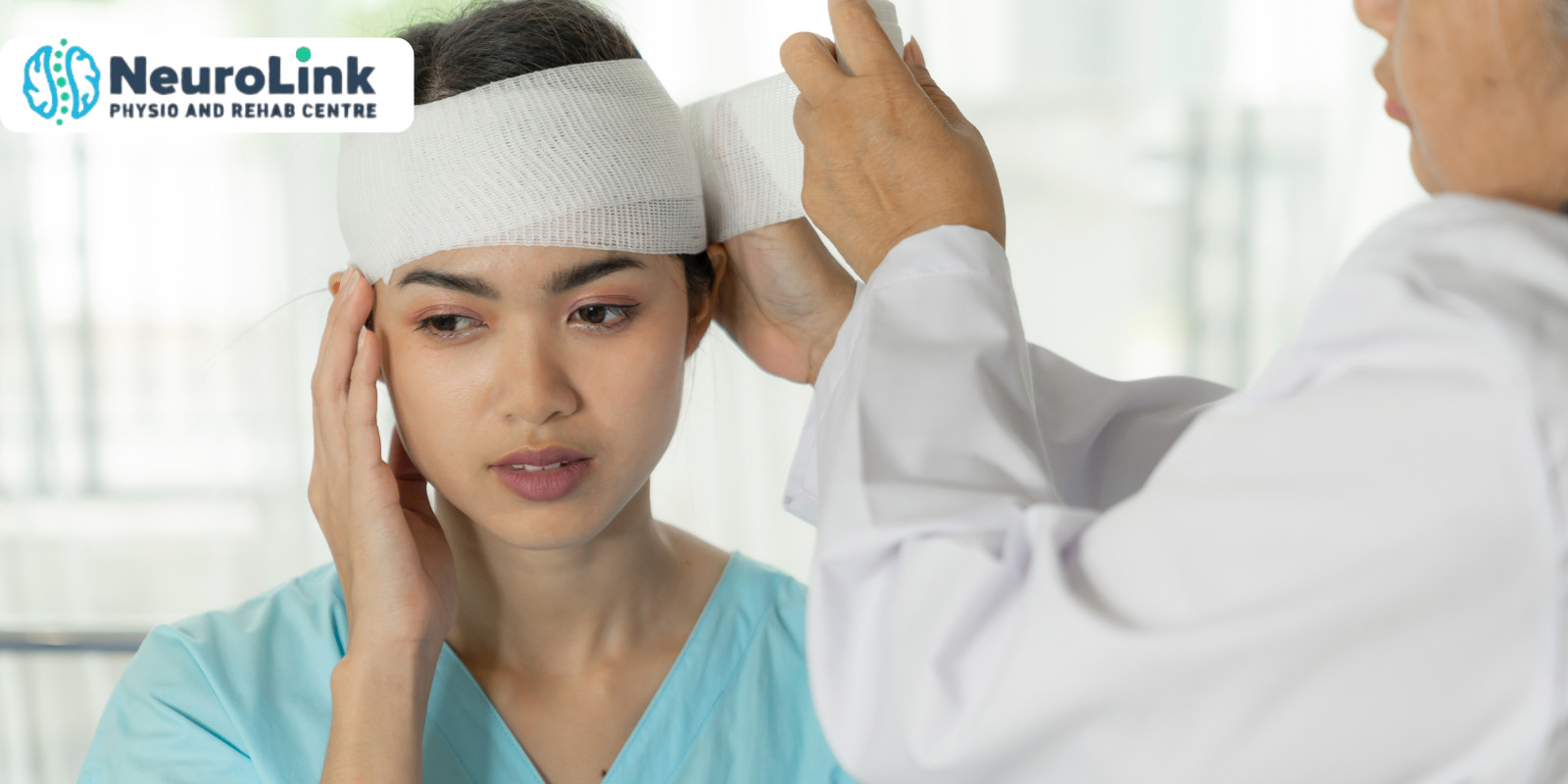
A brain injury can affect movement, thinking, speech, and emotions. Recovery takes time and proper care. Brain Injury Rehabilitation helps patients regain skills and improve daily life.
Doctors first focus on medical stability. Once the patient becomes stable, therapy begins. Brain Injury Rehabilitation then targets physical strength, balance, memory, and communication.
Therapists set clear goals based on the injury level. Patients work on walking, sitting, using hands, and maintaining balance. Cognitive exercises help improve attention and memory during Brain Injury Rehabilitation.
A team of specialists supports recovery. Neurologists, physiotherapists, speech therapists, and occupational therapists work together. This teamwork makes Brain Injury Rehabilitation more effective.
Progress happens step by step. Some improvements appear early, while others take time. With regular therapy and family support, Brain Injury Rehabilitation leads to better independence.
What to Expect During Brain Injury Rehabilitation Treatment
Many patients feel unsure when rehabilitation begins. Clear information helps reduce fear. Brain Injury Rehabilitation follows a structured and guided plan.
Doctors and therapists first assess movement, speech, balance, and thinking skills. They design a treatment plan based on these findings. This plan guides Brain Injury Rehabilitation.
Therapy sessions start slowly. Patients perform simple exercises and gradually increase activity. Repetition helps rebuild skills during Brain Injury Rehabilitation.
Cognitive therapy strengthens memory and focus. Patients practice simple tasks that improve thinking ability. Emotional support also plays a role in Brain Injury Rehabilitation.
Families learn how to help at home. Their involvement improves recovery speed and confidence. With teamwork, Brain Injury Rehabilitation becomes smoother and more successful.
Brain Injury Rehabilitation Timelines – How Long Does Recovery Take?
Recovery time varies for each person. The timeline of Brain Injury Rehabilitation depends on injury severity, age, and health condition.
Mild brain injuries may improve within weeks. Therapy supports faster healing. Moderate injuries often need months of Brain Injury Rehabilitation.
Severe brain injuries require long-term care. Progress may feel slow, but steady improvement usually happens with consistent Brain Injury Rehabilitation.
Therapists track progress regularly. They adjust exercises based on recovery speed. This flexibility keeps Brain Injury Rehabilitation effective.
Recovery does not move in a straight line. Some days feel better than others. With patience and proper care, Brain Injury Rehabilitation continues to show results.
Outcomes of Brain Injury Rehabilitation – What Improvements Can Be Achieved?
Recovery outcomes differ for every patient. Still, Brain injury Rehabilitation helps improve function and quality of life.
Patients often regain strength and balance. Regular exercises improve walking and coordination. These gains support independence through Brain injury Rehabilitation
Thinking skills also improve. Attention, memory, and problem-solving get better with practice. Cognitive therapy strengthens brain function during Brain injury Rehabilitation
Daily activities become easier. Patients relearn dressing, eating, and personal care. These skills restore confidence through Brain Injury Rehabilitation.
Even when full recovery does not happen, meaningful improvement occurs. Rehabilitation helps patients live more active and fulfilling lives.
Types of Brain Injury Rehabilitation Therapies Used in Recovery
Different therapies support recovery in different ways. Brain Injury Rehabilitation combines several treatment methods.
Physiotherapy improves movement and strength. Patients practice walking, standing, and balance exercises. These sessions rebuild mobility during Brain Injury Rehabilitation.
Occupational therapy focuses on daily tasks. Patients learn to manage personal care and household activities. These skills increase independence through Brain Injury Rehabilitation.
Speech therapy improves communication and swallowing. Therapists help patients speak clearly and eat safely as part of Brain Injury Rehabilitation.
Cognitive therapy trains memory and attention. Regular practice improves thinking ability. Together, these therapies strengthen Brain Injury Rehabilitation outcomes.
Role of Family and Caregivers in Brain Injury Rehabilitation
Family support plays a major role in recovery. Caregivers strengthen the success of Brain Injury Rehabilitation.
Emotional encouragement helps patients stay motivated. Positive support improves confidence during Brain Injury Rehabilitation.
Therapists teach families how to assist with exercises. When caregivers follow routines at home, recovery improves. This teamwork extends the benefits of Brain Injury Rehabilitation.
Families also ensure safety at home. Simple changes reduce fall risks and injuries. These steps support long-term.
Challenges During Brain Injury Rehabilitation and How to Handle Them
Recovery includes challenges. Many patients face difficulties during Brain Injury Rehabilitation, but proper care helps manage them.
Fatigue is common. Therapists adjust exercise intensity to match patient strength. This balance keeps Brain Injury Rehabilitation safe.
Emotional changes may occur. Mood swings and frustration need attention. Counseling supports mental health during Brain Injury Rehabilitation.
Progress may slow at times. Therapists modify plans to restart improvement. These changes keep Brain Injury Rehabilitation effective.
Pain management also matters. Proper care allows patients to continue therapy comfortably. With support, challenges do not stop Brain Injury Rehabilitation progress.
Importance of Early Start in Brain Injury Rehabilitation
Early treatment improves recovery results. Doctors recommend starting Brain Injury Rehabilitation as soon as possible.
Early therapy prevents stiffness and weakness. Patients maintain better movement when they begin quickly.
The brain adapts faster in early stages. Early therapy helps the brain relearn skills efficiently during Brain Injury Rehabilitation.
Thinking and memory also respond better to early care. Structured exercises improve results in Brain Injury Rehabilitation.
Delays slow recovery. Early action ensures the best possible outcome from Brain Injury Rehabilitation.
Life After Brain Injury Rehabilitation – Long-Term Recovery
Recovery continues even after therapy ends. Brain Injury Rehabilitation prepares patients for daily life.
Healthy habits support long-term improvement. Exercise, rest, and nutrition help maintain gains after Brain Injury Rehabilitation.
Home exercise programs strengthen balance and mobility. Regular practice preserves progress made during Brain Injury Rehabilitation.
Follow-up visits help track recovery. Therapists adjust plans when needed. Ongoing support extends Brain Injury Rehabilitation benefits.
With commitment and guidance, many patients regain confidence. Rehabilitation helps them lead active and meaningful lives.
Call Us For Appointment: 906 365 5950
Write a Message: info@neurolinkrehab.com
Follow us on: https://www.instagram.com/neurolink.rehab/