What is Guillain-Barré Syndrome (GBS)?
Guillain-Barré Syndrome, or GBS, is a rare nerve disorder. It causes your immune system to attack your nerves. As a result, you may feel weakness, tingling, or even paralysis. Usually, symptoms start in your legs and move upward. Although GBS can be scary, most people recover with proper care. According to the CDC, GBS affects about 1 in 100,000 people each year. Early treatment and GBS rehabilitation can help improve your chances of recovery.
Why is Rehabilitation Important After GBS?
After GBS, your body needs time to heal. However, many people still have weakness or trouble moving. Rehabilitation after GBS helps you regain strength and function. In fact, starting GBS rehabilitation early can speed up your recovery. It also helps prevent long-term problems. For example, regular therapy can stop your muscles from getting stiff or weak. Because every person is different, your rehab plan should fit your needs.
Key Goals of GBS Rehabilitation
GBS rehabilitation focuses on helping you return to daily life. The main goals include:Restoring muscle strength and movementImproving balance and walkingBoosting your ability to do daily tasksPreventing joint stiffness and painSupporting emotional well-being
With these goals in mind, your rehab team will create a plan just for you. They will adjust it as you get stronger.
Common Rehabilitation Techniques and Therapies
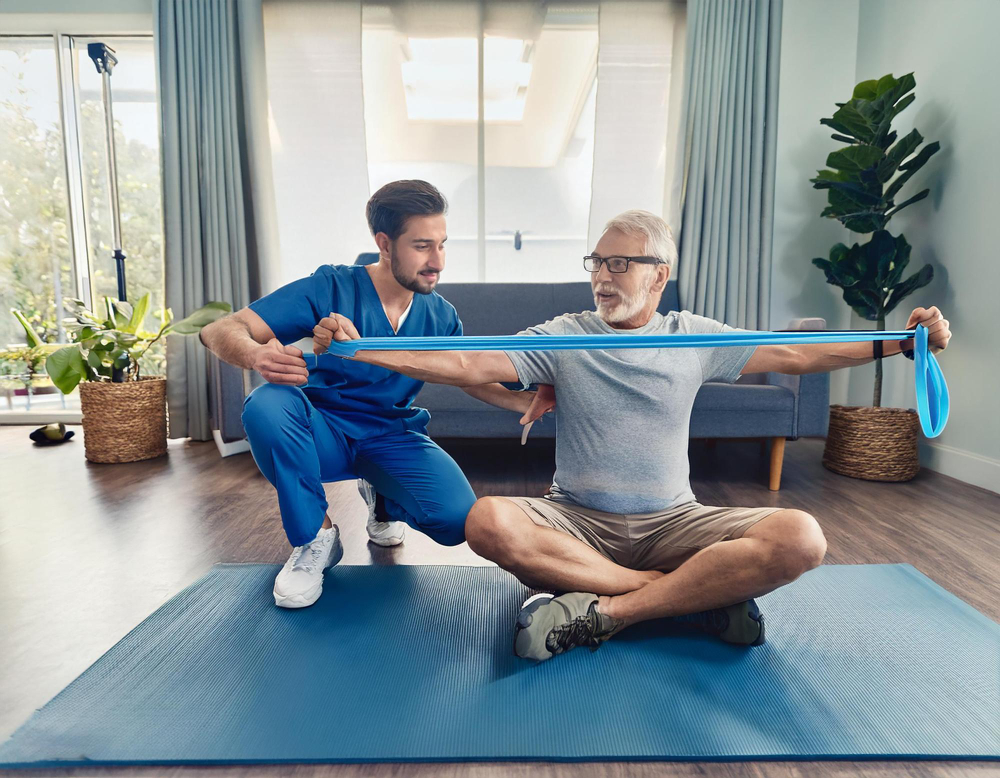
There are many ways to help your body recover after GBS. Some common GBS rehabilitation techniques include:Physical therapy for GBS: This helps you build strength, stretch tight muscles, and improve balance.Occupational therapy: Therapists teach you how to do daily tasks, like dressing or eating, more easily.Speech therapy: If GBS affects your face or throat, speech therapists can help with talking or swallowing.Assistive devices: Sometimes, you may need a cane, walker, or wheelchair for a short time.
Additionally, your rehab team may use gentle exercises, massage, or heat therapy. These methods help reduce pain and improve movement. If you live in a large city, you may find GBS rehabilitation centers nearby. These centers offer expert care and support.
Home Care and Lifestyle Tips for GBS Recovery
Even after leaving the hospital, you can keep making progress at home. Here are some tips for GBS recovery:Follow your exercise plan as your therapist suggestsTake breaks and rest when you feel tiredEat healthy foods to help your body healStay connected with family and friends for supportUse safety aids, like grab bars, if needed
Moreover, try to keep a positive outlook. Recovery can take time, but small steps add up. If you have questions, ask your rehab team for advice.
Preventing Complications During Rehabilitation
During GBS rehabilitation, it is important to watch for problems. Some people may develop pressure sores, infections, or blood clots. To prevent these issues:Change your position often if you sit or lie down for long periodsKeep your skin clean and dryMove your arms and legs as much as you canDrink enough water each day
Furthermore, let your doctor know if you notice swelling, redness, or pain. Early action can stop small problems from getting worse.
When to Seek Medical Advice
Sometimes, you may need extra help during your recovery. Contact your doctor or rehab team if you:Feel new or worsening weaknessHave trouble breathing or swallowingNotice pain, swelling, or sores on your skinFeel sad or anxious for many days
Above all, do not wait if you are worried about your health. Quick action can make a big difference.
In summary, GBS rehabilitation is a key part of recovery after Guillain-Barré Syndrome. With the right support, most people regain their strength and independence. Consult a neurologist or rehabilitation specialist at Neuro Link for personalized guidance on GBS recovery.