What is Pediatric Stroke Rehab?
Pediatric stroke rehab helps children recover after a stroke. A stroke happens when blood flow to the brain stops. This can cause brain cells to die. Children need special care to regain lost skills. Pediatric stroke rehabilitation uses therapy and support to help kids get better. Early rehab after pediatric stroke can improve a child’s movement, speech, and thinking. Many families want to know how child stroke recovery works. With the right care, children can make progress over time.
Common Symptoms After Pediatric Stroke
After a stroke, children may show different symptoms. Some signs appear right away, while others develop slowly. Knowing these symptoms helps parents seek help early. For example, you might notice:Weakness or numbness on one side of the bodyTrouble speaking or understanding wordsDifficulty walking or balancingSudden vision problemsSeizures or sudden confusionHeadache, often with vomiting
Sometimes, children may also have trouble with memory or learning. However, every child is different. If you see any of these signs, seek medical help right away.
Causes and Risk Factors
Pediatric strokes can happen for many reasons. Some causes are known, while others are not clear. Still, certain risk factors make strokes more likely in children. These include:Heart problems present at birthBlood disorders, like sickle cell diseaseInfections that affect the brain or blood vesselsHead injuries or traumaProblems with blood clottingFamily history of stroke
Even so, some children have strokes without any known risk factors. Because of this, it is important to watch for symptoms and act quickly.
How Pediatric Stroke is Diagnosed
Doctors use several steps to diagnose a stroke in children. First, they ask about symptoms and medical history. Next, they do a physical exam. After that, doctors often order tests to look at the brain. These may include:MRI or CT scans to see brain changesBlood tests to check for clotting problemsHeart tests, like an echocardiogramBlood vessel imaging, such as an ultrasound
Early diagnosis helps start pediatric stroke rehab sooner. The sooner rehab begins, the better the chances for child stroke recovery.
Key Rehab Strategies and Treatments
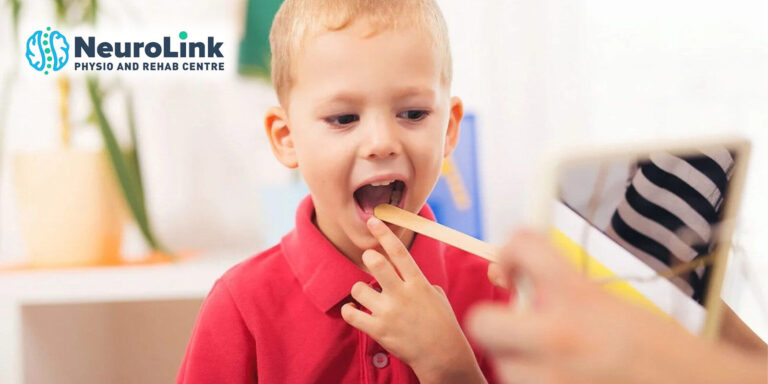
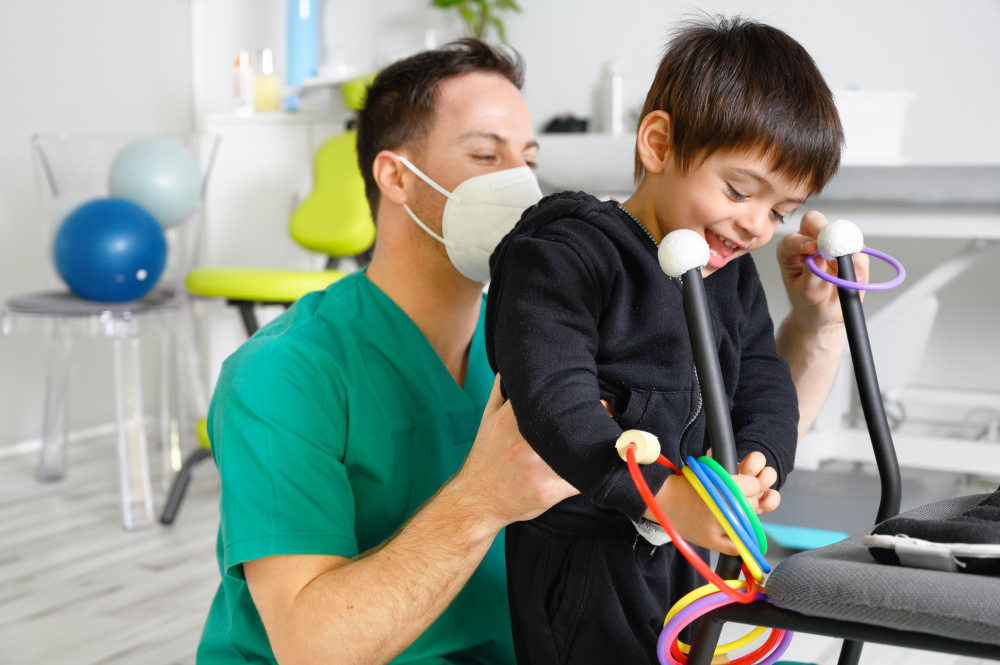
Pediatric stroke rehab uses many therapies to help children recover. Each child’s plan is unique. However, most rehab after pediatric stroke includes:Physical therapy to improve strength and movementOccupational therapy to help with daily tasksSpeech therapy for talking and swallowingPsychological support for emotions and behaviorFamily education and training
In addition, some children may need medicine to prevent more strokes. Rehab teams work together to set goals and track progress. Over time, many children regain lost skills with regular therapy.
Lifestyle Tips for Recovery
Recovery from pediatric stroke takes time and patience. Still, there are ways families can help at home. For example, you can:Encourage regular exercise, as advised by therapistsFollow a healthy diet rich in fruits and vegetablesKeep a daily routine for therapy and restSupport your child’s emotional needsStay in touch with your rehab team
With these steps, children often feel more confident and motivated. Remember, small improvements add up over time.
Prevention and Long-Term Outlook
Preventing another stroke is important. Doctors may suggest medicine or lifestyle changes. For example, treating heart or blood problems lowers the risk. Regular check-ups help catch issues early. Although some children have lasting effects, many improve with ongoing rehab. According to the CDC, early and steady rehab gives the best chance for recovery. Every child’s journey is different, but hope and support make a big difference.
When to Consult a Specialist
If your child shows signs of stroke or has trouble recovering, see a specialist right away. Pediatric neurologists and rehab experts can guide your child’s care. Early help leads to better outcomes. Do not wait if you notice new symptoms or changes in your child’s health.
Consult a pediatric neurologist or rehabilitation specialist at Neuro Link for personalized guidance on pediatric stroke rehab.