What is Paraparesis?
Paraparesis is a medical term that means weakness in both legs. This condition often affects how a person walks or moves. Paraparesis is linked to problems in the nervous system, especially the spinal cord. Because of this, it is important in both neurology and neurosurgery. Many people with paraparesis notice changes in their daily life. Early understanding can help with better care and treatment.
Common Symptoms of Paraparesis
People with paraparesis may notice several signs. These symptoms can range from mild to severe. However, not everyone will have the same symptoms. Some common signs include:Weakness in both legsDifficulty walking or standingMuscle stiffness or spasmsNumbness or tingling in the legsLoss of balance or coordinationFatigue after simple activities
Sometimes, these symptoms may get worse over time. Therefore, it is important to seek medical help if you notice any of these signs.
Causes and Risk Factors
There are many reasons why paraparesis can develop. Often, it is due to problems in the spinal cord or nerves. Some common causes include:Spinal cord injuriesMultiple sclerosisSpinal cord tumorsInfections affecting the spinal cordGenetic disordersStroke affecting the lower spinal cord
Additionally, certain risk factors can increase the chance of developing paraparesis. For example, older age, family history of neurological disorders, or previous spinal injuries may raise the risk. Knowing these factors can help with early detection and prevention.
How Paraparesis is Diagnosed
Doctors use several steps to diagnose paraparesis. First, they will ask about your symptoms and medical history. Next, a physical exam checks muscle strength and reflexes. Often, doctors use tests to find the cause. These may include:MRI or CT scans to look at the spinal cordBlood tests to check for infections or other problemsNerve tests to measure how signals travel in the body
Because early diagnosis can lead to better outcomes, it is important to see a doctor if you notice weakness in your legs.
Treatment Options for Paraparesis
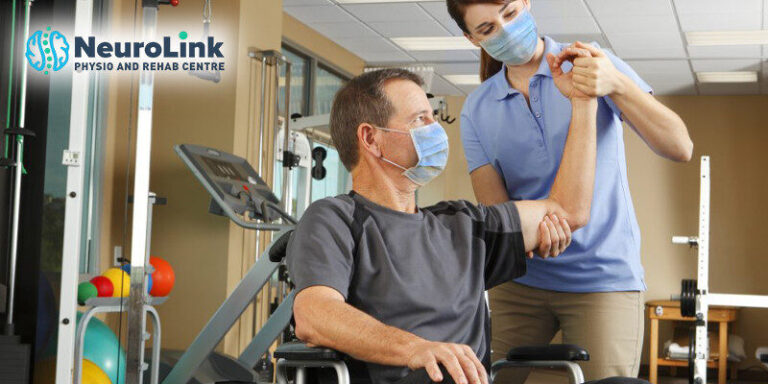
Treatment for paraparesis depends on the cause and severity. However, many people benefit from a mix of therapies. Common treatment options include:Physical therapy to improve strength and movementMedications to reduce pain, muscle spasms, or inflammationSurgery for spinal cord injuries or tumorsAssistive devices like walkers or braces
In some cases, ongoing care is needed. For example, people with chronic conditions may need regular therapy. If you are looking for paraparesis treatment in your city, many neurology centers offer specialized care.
Living with Paraparesis: Tips and Lifestyle Guidance
Living with paraparesis can be challenging, but there are ways to manage daily life. Here are some helpful tips:Stay active with safe exercises recommended by your doctorUse mobility aids to prevent fallsFollow a healthy diet to support nerve healthJoin support groups for emotional helpKeep regular appointments with your healthcare team
Because every person is different, it is important to find what works best for you. With the right support, many people can lead active lives.
Prevention and Early Detection
While not all cases of paraparesis can be prevented, some steps may lower the risk. For example, wearing seat belts can help prevent spinal injuries. Managing chronic conditions like diabetes or high blood pressure can also help. Early detection is key. Therefore, see a doctor if you notice any new weakness or numbness in your legs. Regular check-ups can catch problems early and improve treatment results.
Conclusion
Paraparesis is a condition that causes weakness in both legs. It can result from many causes, including spinal cord disorders and nerve problems. Early diagnosis and treatment can improve quality of life. If you or a loved one notice symptoms, consult a neurology specialist at Neuro Link for personalized advice on paraparesis.