A spinal cord injury (SCI) is a life-changing event that affects mobility, independence, and overall quality of life. However, with the right medical support, therapy, and rehabilitation plan, many individuals can regain function and improve their daily living abilities. The first six months after a spinal cord injury are particularly important because this is when the body begins to heal and adapt to new challenges, especially when treatment begins early at a Neuro rehabilitation centre in gurgaon
A structured recovery program at a Neuro rehabilitation centre in gurgaon can play a crucial role during this period. Specialized rehabilitation centers focus on restoring mobility, strengthening muscles, improving nerve function, and helping patients adjust physically and emotionally.
This guide explains what patients and families can expect during the first six months of spinal cord injury rehabilitation, including the stages of recovery, therapies involved, and how professional rehabilitation support can help maximize recovery potential.
Understanding Spinal Cord Injury and the Need for Rehabilitation
The spinal cord acts as the communication pathway between the brain and the rest of the body. When it is injured, signals may be partially or completely interrupted, affecting movement, sensation, and organ function.
Spinal cord injuries are usually categorized into two types:
Complete injury:
There is a total loss of sensation and movement below the injury level.
Incomplete injury:
Some nerve signals still pass through the injured area, allowing partial movement or sensation.
Rehabilitation becomes essential because it helps the body relearn functions, strengthens remaining abilities, and teaches new strategies for independence. A structured program at a Neuro rehabilitation centre in gurgaon provides medical expertise, advanced therapies, and personalized treatment plans that support recovery during this critical period.
Why the First Six Months Are Critical
The first six months following a spinal cord injury are often called the golden window of recovery. During this time:
- The nervous system shows the greatest potential for adaptation.
- Muscles and joints can still regain strength and flexibility.
- Early therapy helps prevent complications such as muscle stiffness and pressure sores.
- Patients can learn new ways to perform daily activities.
Intensive therapy at a Neuro rehabilitation centre in gurgaon helps patients take advantage of this recovery phase by combining physiotherapy, occupational therapy, and neurological treatments.
Month 1: Acute Recovery and Stabilization
The first month usually focuses on medical stabilization and early rehabilitation.
Medical Care
After the injury, patients are typically treated in a hospital or intensive care unit. Doctors focus on:
- Stabilizing the spine
- Preventing infection
- Managing breathing and circulation
- Controlling swelling around the spinal cord
During this phase, doctors determine the severity and level of the injury using imaging tests such as MRI or CT scans.
Early Rehabilitation
Even during the early days, rehabilitation often begins with gentle activities such as:
- Passive range-of-motion exercises
- Position changes to prevent pressure sores
- Breathing exercises
- Basic muscle stimulation
These early interventions are essential to maintain muscle health and prevent complications.
A specialized Neuro rehabilitation centre in gurgaon often begins preparing a personalized recovery plan during this phase.
Month 2: Beginning Active Rehabilitation
As the patient’s condition stabilizes, the second month usually introduces more active rehabilitation programs.
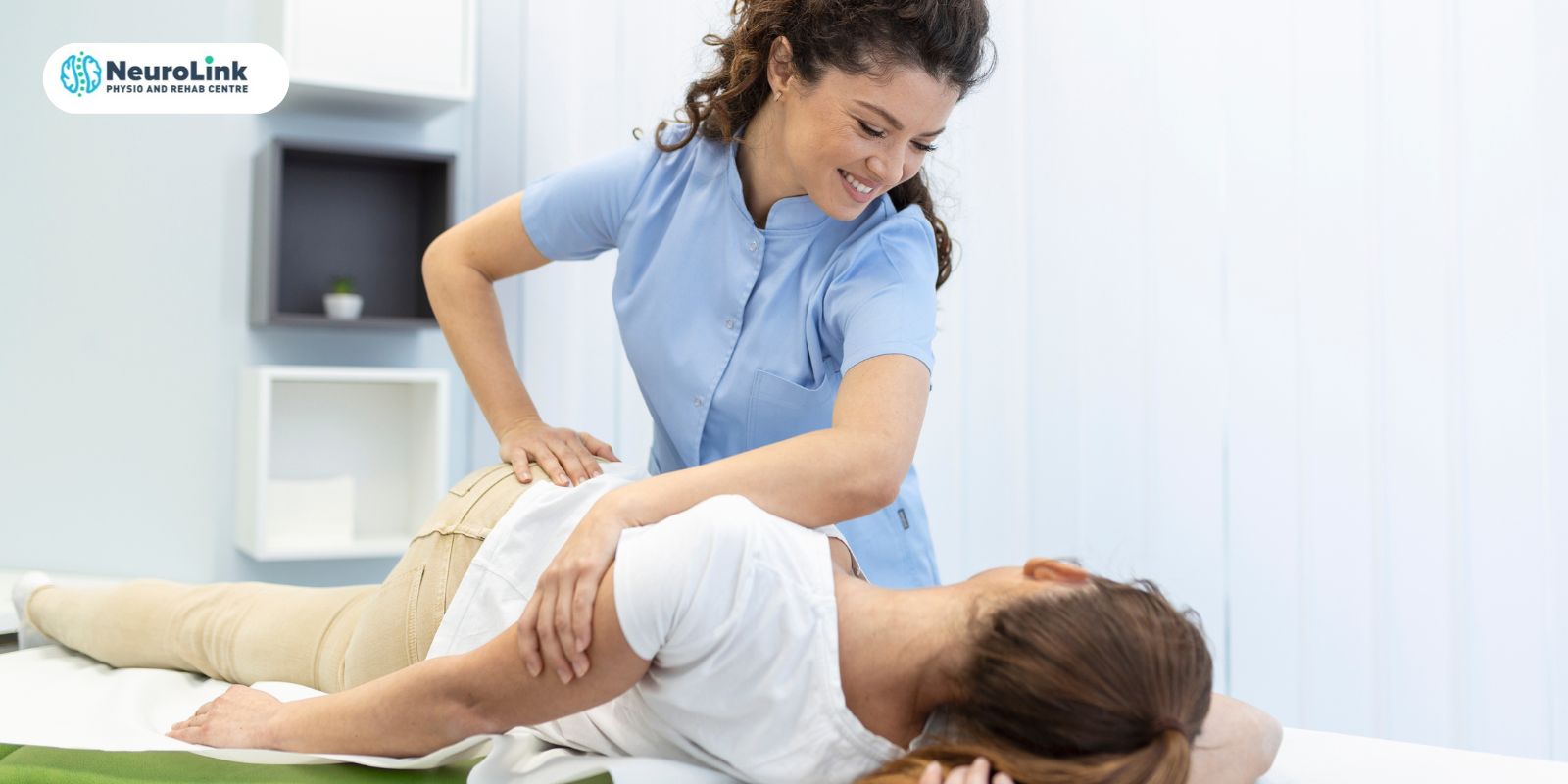
Physical Therapy
Physical therapy focuses on:
- Strengthening muscles that are still functioning
- Improving balance and posture
- Preventing joint stiffness
- Training patients in bed mobility and sitting balance
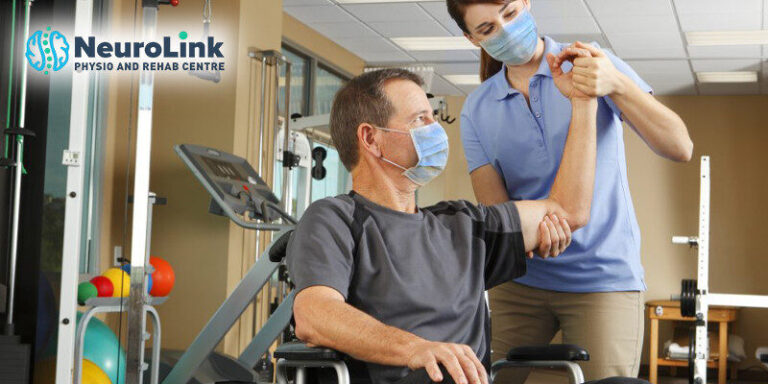
Therapists may also start wheelchair training and assisted standing exercises.
Occupational Therapy
Occupational therapy helps patients regain independence in everyday tasks such as:
- Eating
- Dressing
- Personal hygiene
- Using assistive devices
These therapies are often conducted intensively at a Neuro rehabilitation centre in gurgaon, where specialists work with patients daily to rebuild functional abilities.
Month 3: Building Strength and Mobility
The third month is usually when patients begin to see more noticeable improvements.
Muscle Strengthening
Rehabilitation programs may include:
- Resistance training
- Functional electrical stimulation
- Supported standing or walking devices
- Core strengthening exercises
These therapies help rebuild muscle strength and improve circulation.
Gait Training
For patients with incomplete injuries, therapists may introduce:
- Parallel bar walking
- Robotic-assisted walking
- Balance and coordination exercises
At a professional Neuro rehabilitation centre in gurgaon, advanced equipment and neurological therapies can significantly improve mobility outcomes during this stage.
Month 4: Functional Independence Training
During the fourth month, rehabilitation often focuses on regaining independence in daily life.
Activities of Daily Living
Therapists help patients practice:
- Transferring from bed to wheelchair
- Wheelchair navigation
- Cooking and household tasks
- Using adaptive tools
Adaptive Technology
Modern rehabilitation centers may introduce assistive technologies such as:
- Powered wheelchairs
- Smart home devices
- Voice-controlled tools
These tools help patients regain independence and confidence.
Working with specialists at a Neuro rehabilitation centre in gurgaon ensures that patients learn the most effective techniques for daily living and mobility.
Month 5: Advanced Therapy and Community Reintegration
By the fifth month, many patients are ready for more advanced therapy programs.
Advanced Physiotherapy
Treatment may include:
- Balance training
- Endurance exercises
- Aquatic therapy
- Functional mobility training
These therapies aim to improve strength, coordination, and stamina.
Psychological Support
Spinal cord injuries can also affect emotional well-being. Patients may experience:
- Anxiety
- Depression
- Loss of confidence
Counseling and mental health support become an important part of recovery. Many programs at a Neuro rehabilitation centre in gurgaon include psychological counseling to help patients adjust to lifestyle changes.
Month 6: Long-Term Recovery Planning
The sixth month marks a transition from intensive rehabilitation to long-term recovery management.
Evaluating Progress
Doctors and therapists assess improvements in:
- Muscle strength
- Sensory recovery
- Mobility
- Independence in daily tasks
Based on these evaluations, the rehabilitation team adjusts the treatment plan for continued improvement.
Home Rehabilitation Programs
Patients may be given customized exercise routines to continue at home, including:
- Strength training exercises
- Stretching programs
- Balance exercises
- Functional mobility practice
Even after leaving intensive therapy, regular follow-ups at a Neuro rehabilitation centre in gurgaon help maintain progress and prevent complications.
Common Therapies Used in Spinal Cord Injury Rehabilitation
A comprehensive rehabilitation program typically includes multiple therapies.
Physiotherapy
Physiotherapy improves:
- Muscle strength
- Joint mobility
- Balance
- Circulation
Occupational Therapy
Occupational therapists focus on helping patients perform everyday activities independently.
Speech and Swallowing Therapy
Some spinal cord injuries can affect breathing and swallowing. Speech therapists assist with communication and swallowing difficulties.
Pain Management
Pain management may include:
- Medication
- Physical therapy
- Nerve stimulation treatments
Comprehensive treatment programs at a Neuro rehabilitation centre in gurgaon combine these therapies to maximize recovery outcomes.
Preventing Complications During Rehabilitation
Proper rehabilitation also helps prevent complications such as:
Pressure sores – caused by prolonged pressure on the skin.
Muscle contractures – stiffness due to lack of movement.
Respiratory issues – especially in higher spinal cord injuries.
Blood clots – caused by limited mobility.
Therapists at a Neuro rehabilitation centre in gurgaon closely monitor patients and implement preventive measures such as regular repositioning, stretching, and circulation exercises.
Role of Family in the Rehabilitation Process
Family members play a major role in the recovery journey. Their support helps patients stay motivated and emotionally strong.
Families often assist with:
- Home care routines
- Encouraging exercise and therapy
- Emotional support
- Transportation to rehabilitation sessions
Rehabilitation teams often provide family training programs so caregivers understand how to assist patients safely.
Setting Realistic Expectations for Recovery
Recovery after spinal cord injury varies widely depending on several factors:
- Severity of the injury
- Location of the injury
- Age and overall health
- Speed of medical treatment
- Consistency of rehabilitation
Some patients regain significant mobility, while others may rely on assistive devices. However, consistent therapy at a Neuro rehabilitation centre in gurgaon can greatly improve functional abilities and quality of life.
Importance of Specialized Neuro Rehabilitation
Spinal cord injury recovery requires specialized care from a multidisciplinary team that includes:
- Neurologists
- Physiotherapists
- Occupational therapists
- Rehabilitation physicians
- Psychologists
A dedicated Neuro rehabilitation centre in gurgaon offers advanced therapy equipment, experienced specialists, and structured programs designed specifically for neurological recovery.
These centers focus not only on physical healing but also on emotional well-being, social reintegration, and long-term independence.