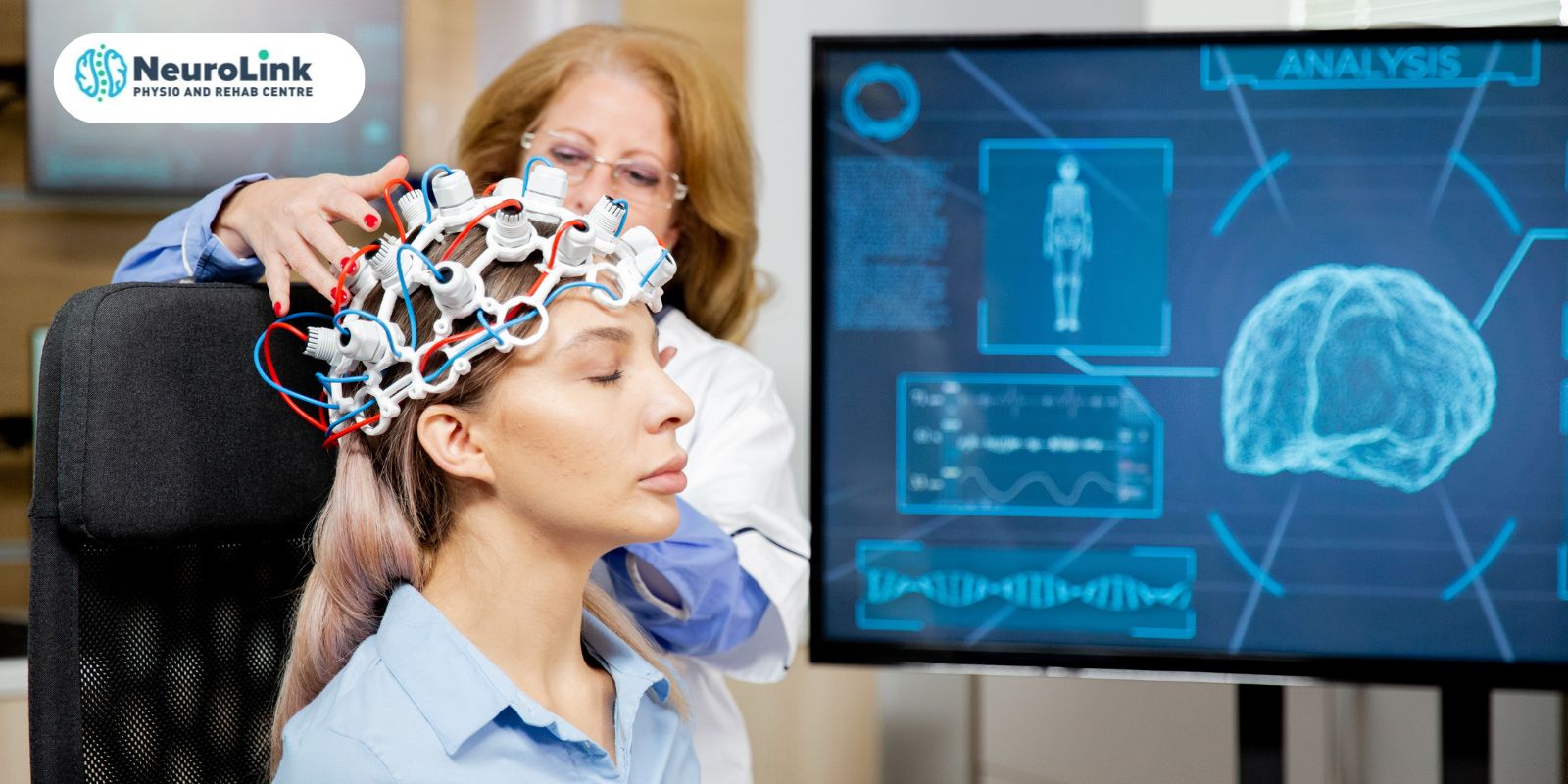
The human brain is often described as one of the most complex systems in existence. For decades, scientists believed that once brain cells were damaged—whether due to stroke, trauma, or neurological disease—the loss was permanent. However, modern neuroscience has reshaped this understanding through the concept of neuroplasticity, the brain’s remarkable ability to reorganize itself and form new neural connections—an approach actively applied at a Neuro Rehabilitation Centre in Gurgaon to support recovery and healing.
This discovery has transformed the way recovery is approached after neurological damage. Today, specialized care settings like a Neuro Rehabilitation Centre in Gurgaon are leveraging neuroplasticity principles to help patients regain lost abilities and rebuild their lives.
Understanding Neuroplasticity
Neuroplasticity refers to the brain’s ability to adapt structurally and functionally in response to experiences, learning, or injury. When a part of the brain is damaged, other regions can sometimes take over its functions through rewiring.
There are two main types of neuroplasticity:
- Structural plasticity: Changes in the brain’s physical structure due to learning or recovery
- Functional plasticity: The brain’s ability to move functions from damaged areas to healthy ones
After a stroke or injury, neuroplasticity becomes the foundation of recovery. Without it, rehabilitation would have very limited outcomes.
What Happens to the Brain After Stroke or Injury?
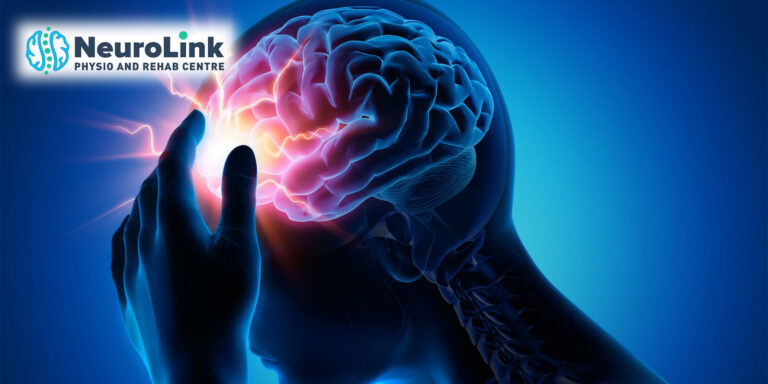
A stroke occurs when blood flow to a part of the brain is interrupted, leading to cell death. Similarly, traumatic brain injuries can damage neural networks. This can result in:
- Loss of movement (paralysis or weakness)
- Speech and language difficulties
- Cognitive impairments (memory, attention, problem-solving)
- Emotional and behavioral changes
In such cases, recovery depends not only on medical treatment but also on how effectively the brain can reorganize itself. This is where a Neuro Rehabilitation Centre in Gurgaon plays a critical role, offering structured therapies that stimulate brain recovery.
How Neuroplasticity Enables Recovery
After injury, the brain begins a natural healing process. This involves:
1. Neural Rewiring
Healthy neurons start forming new connections to bypass damaged areas.
2. Synaptic Strengthening
Repeated use of certain pathways strengthens connections, making functions more efficient.
3. Cortical Remapping
Different parts of the brain take over lost functions—a process known as “functional reassignment.”
Therapies at a Neuro Rehabilitation Centre in Gurgaon are designed to enhance these processes through targeted interventions.
The Role of Rehabilitation in Neuroplasticity
While the brain has a natural ability to heal, recovery does not happen automatically. It requires consistent stimulation and training.
1. Physical Therapy
Helps restore movement and coordination through repetitive exercises.
2. Occupational Therapy
Focuses on daily living skills such as dressing, eating, and writing.
3. Speech and Language Therapy
Improves communication abilities and cognitive functions.
4. Cognitive Rehabilitation
Enhances memory, attention, and problem-solving skills.
A well-equipped Neuro Rehabilitation Centre in Gurgaon integrates all these therapies into a comprehensive recovery plan tailored to each patient.
Why Repetition is Key to Brain Rewiring
One of the most important principles of neuroplasticity is repetition. The phrase “neurons that fire together, wire together” explains how repeated actions strengthen neural pathways.
For example:
- Practicing hand movements daily can improve motor control
- Repeating words can enhance speech recovery
- Solving puzzles can boost cognitive function
This is why rehabilitation programs at a Neuro Rehabilitation Centre in Gurgaon emphasize consistent and repetitive training.
Early Intervention: A Critical Factor
The first few weeks after a stroke or injury are considered a “golden window” for recovery. During this time, the brain is highly responsive to rehabilitation efforts.
Starting therapy early can:
- Prevent muscle stiffness and complications
- Improve long-term recovery outcomes
- Accelerate functional improvements
Patients who begin treatment at a Neuro Rehabilitation Centre in Gurgaon soon after injury often experience better results compared to delayed intervention.
Factors That Influence Neuroplasticity
Not all patients recover at the same rate. Several factors affect the brain’s ability to rewire:
1. Age
Younger brains tend to be more adaptable, but recovery is possible at any age.
2. Severity of Injury
Milder injuries generally have better outcomes.
3. Consistency of Therapy
Regular and structured rehabilitation significantly enhances recovery.
4. Motivation and Mental Health
Positive mindset and emotional support play a crucial role.
A patient-centered approach at a Neuro Rehabilitation Centre in Gurgaon ensures these factors are addressed holistically.
Modern Techniques Enhancing Neuroplasticity
Advancements in technology have further improved rehabilitation outcomes. Some innovative approaches include:
1. Robotic-Assisted Therapy
Machines help patients perform precise and repetitive movements.
2. Virtual Reality (VR)
Immersive environments make therapy engaging and effective.
3. Constraint-Induced Movement Therapy (CIMT)
Encourages use of the affected limb by restricting the unaffected one.
4. Neurostimulation Techniques
Non-invasive methods stimulate brain activity to enhance recovery.
These cutting-edge treatments are increasingly available at advanced facilities like a Neuro Rehabilitation Centre in Gurgaon, making recovery more efficient and personalized.
The Emotional Side of Recovery
Recovering from a stroke or brain injury is not just a physical journey—it’s also emotional. Patients often experience:
- Anxiety and depression
- Frustration due to slow progress
- Loss of independence
Psychological support, counseling, and family involvement are essential components of recovery. A comprehensive Neuro Rehabilitation Centre in Gurgaon addresses both physical and emotional needs to ensure complete healing.
The Role of Family and Caregivers
Family support can significantly influence recovery outcomes. Caregivers play a vital role by:
- Encouraging regular therapy
- Assisting with daily activities
- Providing emotional support
Education and training programs offered by a Neuro Rehabilitation Centre in Gurgaon help families understand how to support their loved ones effectively.
Realistic Expectations and Patience
Neuroplasticity is powerful, but recovery takes time. Progress may be slow and varies from person to person.
Key points to remember:
- Small improvements are significant milestones
- Consistency matters more than intensity
- Set realistic and achievable goals
With guidance from professionals at a Neuro Rehabilitation Centre in Gurgaon, patients can stay motivated and track their progress effectively.
Lifestyle Changes That Support Brain Recovery
Certain lifestyle habits can enhance neuroplasticity and support recovery:
1. Healthy Diet
Nutrient-rich foods support brain health.
2. Regular Exercise
Physical activity improves blood flow to the brain.
3. Quality Sleep
Sleep is essential for memory consolidation and healing.
4. Mental Stimulation
Activities like reading, puzzles, and learning new skills boost brain function.
Incorporating these habits alongside therapy at a Neuro Rehabilitation Centre in Gurgaon can significantly improve outcomes.
The Future of Neuro Rehabilitation
The field of neurorehabilitation is evolving rapidly. Emerging research focuses on:
- Brain-computer interfaces
- Stem cell therapy
- Personalized medicine
- AI-driven rehabilitation programs
These innovations aim to further enhance the brain’s ability to rewire and recover.
Facilities like a Neuro Rehabilitation Centre in Gurgaon are at the forefront of adopting these advancements, offering patients access to the latest treatment options.
Stroke Recovery and Neuroplasticity: A New Path to Healing and Independence
A stroke can change life in an instant. From losing mobility to struggling with speech or memory, the challenges can feel overwhelming for both patients and their families. However, advancements in neuroscience have introduced a powerful concept that offers hope—neuroplasticity, the brain’s ability to heal, adapt, and rewire itself after damage.
Today, recovery is no longer just about survival; it’s about regaining independence and improving quality of life. With the right support and structured therapy at a Neuro Rehabilitation Centre in Gurgaon, patients can harness neuroplasticity to rebuild lost functions and reclaim control over their lives.
What is Stroke and How Does It Affect the Brain?
A stroke occurs when blood supply to a part of the brain is disrupted, either due to a blockage (ischemic stroke) or bleeding (hemorrhagic stroke). Without oxygen and nutrients, brain cells begin to die within minutes.
The impact of a stroke depends on the affected area of the brain. Common effects include:
- Weakness or paralysis, often on one side of the body
- Difficulty speaking or understanding language
- Memory and cognitive impairments
- Problems with balance and coordination
- Emotional changes such as depression or mood swings
Recovery begins with medical stabilization, but long-term improvement relies heavily on rehabilitation. This is where a Neuro Rehabilitation Centre in Gurgaon becomes essential in guiding patients through structured recovery.
Neuroplasticity: The Science Behind Recovery
Neuroplasticity is the brain’s natural ability to reorganize itself by forming new neural connections. After a stroke, undamaged parts of the brain can take over the functions of damaged areas through consistent training and stimulation.
This process involves:
- Relearning skills that were lost
- Strengthening new neural pathways through repetition
- Adapting to new ways of performing tasks
A specialized Neuro Rehabilitation Centre in Gurgaon uses evidence-based therapies to stimulate these changes, helping patients regain lost abilities more effectively.
Stages of Stroke Recovery
Recovery is not a single event but a gradual process that occurs in stages:
1. Acute Stage (First Few Days)
Focuses on stabilizing the patient and preventing further damage.
2. Subacute Stage (Weeks to Months)
This is the most critical phase for neuroplasticity. Intensive rehabilitation begins here.
3. Chronic Stage (Months to Years)
Continued therapy helps refine and maintain improvements.
Patients receiving early and continuous care at a Neuro Rehabilitation Centre in Gurgaon often achieve better long-term outcomes.
Key Therapies That Promote Brain Rewiring
Rehabilitation is the cornerstone of stroke recovery. Different therapies target specific functions:
1. Physical Therapy
Improves strength, mobility, and coordination through guided exercises.
2. Occupational Therapy
Helps patients relearn daily activities such as eating, dressing, and writing.
3. Speech Therapy
Addresses communication difficulties and swallowing issues.
4. Cognitive Therapy
Enhances memory, attention, and problem-solving skills.
A comprehensive program at a Neuro Rehabilitation Centre in Gurgaon combines these therapies to create a personalized recovery plan.
The Importance of Repetition and Practice
Neuroplasticity thrives on repetition. The more a task is practiced, the stronger the neural connections become.
For example:
- Repeated walking exercises can improve balance
- Practicing speech can restore language skills
- Daily tasks can rebuild independence
Therapists at a Neuro Rehabilitation Centre in Gurgaon design repetitive, goal-oriented activities that accelerate brain rewiring.
Why Early Rehabilitation Matters
Time is a crucial factor in stroke recovery. The brain is most adaptable in the early stages after injury.
Benefits of early rehabilitation include:
- Faster recovery of functions
- Reduced complications like muscle stiffness
- Better long-term independence
Starting therapy at a Neuro Rehabilitation Centre in Gurgaon as soon as possible can significantly improve outcomes.
Advanced Techniques in Stroke Rehabilitation
Modern rehabilitation has evolved with innovative technologies that enhance recovery:
1. Robotic Therapy
Assists patients in performing controlled and repetitive movements.
2. Virtual Reality (VR)
Creates interactive environments for engaging therapy sessions.
3. Mirror Therapy
Uses visual feedback to stimulate brain activity.
4. Electrical Stimulation
Activates muscles and nerves to improve function.
Many of these advanced treatments are available at a Neuro Rehabilitation Centre in Gurgaon, offering patients access to cutting-edge care.
Emotional and Psychological Recovery
Stroke recovery is not just physical—it also affects mental health. Patients may experience:
- Depression and anxiety
- Frustration due to slow progress
- Loss of confidence
Emotional support, counseling, and motivation are essential for recovery. A holistic Neuro Rehabilitation Centre in Gurgaon ensures that psychological well-being is addressed alongside physical healing.
The Role of Family in Recovery
Family members and caregivers are vital in the recovery journey. Their support can:
- Encourage consistency in therapy
- Provide emotional strength
- Help patients stay motivated
Training programs at a Neuro Rehabilitation Centre in Gurgaon educate families on how to assist effectively in daily care and rehabilitation.
Lifestyle Changes That Boost Recovery
Adopting healthy habits can significantly enhance neuroplasticity:
1. Balanced Nutrition
Supports brain healing and overall health.
2. Regular Physical Activity
Improves circulation and strengthens neural connections.
3. Adequate Sleep
Essential for brain repair and memory formation.
4. Mental Engagement
Activities like reading, puzzles, and learning new skills stimulate the brain.
When combined with therapy at a Neuro Rehabilitation Centre in Gurgaon, these lifestyle changes can accelerate recovery.
Overcoming Challenges in Stroke Recovery
Recovery is rarely linear. Patients may face setbacks such as:
- Plateaus in progress
- Physical fatigue
- Emotional struggles
It’s important to remain patient and persistent. Professional guidance from a Neuro Rehabilitation Centre in Gurgaon helps patients navigate these challenges and stay on track.
Setting Realistic Goals
Goal-setting is a key part of rehabilitation. Small, achievable goals can:
- Boost motivation
- Track progress
- Build confidence
Examples include:
- Standing without support
- Speaking simple sentences
- Performing daily tasks independently
Therapists at a Neuro Rehabilitation Centre in Gurgaon work closely with patients to set and achieve these milestones.
The Future of Stroke Rehabilitation
The future of stroke recovery is promising, with ongoing research in:
- Artificial intelligence in therapy planning
- Brain-computer interfaces
- Stem cell treatments
- Personalized rehabilitation programs
These innovations aim to further enhance neuroplasticity and recovery outcomes. Leading facilities like a Neuro Rehabilitation Centre in Gurgaon are adopting these advancements to provide world-class care.
Conclusion
Stroke recovery is a journey that requires patience, effort, and the right support system. Neuroplasticity has opened new possibilities, proving that the brain can adapt and heal even after significant damage.
With early intervention, consistent therapy, and emotional support, patients can regain independence and improve their quality of life. Choosing a trusted Neuro Rehabilitation Centre in Gurgaon ensures access to expert care, advanced therapies, and personalized treatment plans designed to unlock the brain’s full potential.
Recovery may take time, but with determination and the power of neuroplasticity, a meaningful and fulfilling life is always achievable.