Recovering from a stroke is a journey that requires patience, consistency, and the right support system. One of the most crucial components of this recovery process is occupational therapy. It focuses on helping individuals regain their independence and return to meaningful daily activities. At a trusted facility known as the Best physiotherapy and rehab centre in Gurgaon, occupational therapy plays a central role in transforming lives after stroke.
Understanding Stroke and Its Impact
A stroke occurs when the blood supply to a part of the brain is interrupted or reduced, depriving brain tissue of oxygen and nutrients. Within minutes, brain cells begin to die, leading to a wide range of physical, cognitive, and emotional challenges.
Common effects of stroke include:
- Weakness or paralysis (often on one side of the body)
- Difficulty with coordination and balance
- Impaired speech and communication
- Memory and cognitive issues
- Difficulty performing daily activities
These challenges can make even simple tasks like eating, dressing, or bathing extremely difficult. This is where occupational therapy becomes essential.
What is Occupational Therapy?
Occupational therapy (OT) is a specialized form of rehabilitation that helps individuals regain the ability to perform daily activities independently. The term “occupation” refers not only to jobs but also to everyday tasks that give life meaning—such as self-care, household chores, and leisure activities.
At the Best physiotherapy and rehab centre in Gurgaon, occupational therapists work closely with stroke survivors to develop personalized treatment plans tailored to their specific needs and recovery goals.
The Goal of Occupational Therapy in Stroke Recovery
The primary aim of occupational therapy is to restore independence and improve quality of life. This involves:
- Enhancing motor skills
- Improving cognitive abilities
- Teaching adaptive techniques
- Rebuilding confidence
Rather than focusing solely on physical recovery, OT takes a holistic approach—addressing the emotional, psychological, and social aspects of rehabilitation as well.
How Occupational Therapy Helps Stroke Patients
1. Regaining Basic Daily Living Skills
One of the first steps in occupational therapy is helping patients relearn Activities of Daily Living (ADLs), such as:
- Dressing
- Bathing
- Eating
- Grooming
Therapists break these tasks into smaller, manageable steps and guide patients through repetitive practice. Over time, patients regain control and confidence in performing these activities independently.
At the Best physiotherapy and rehab centre in Gurgaon, therapists use structured routines and hands-on training to ensure steady progress.
2. Improving Motor Skills and Coordination
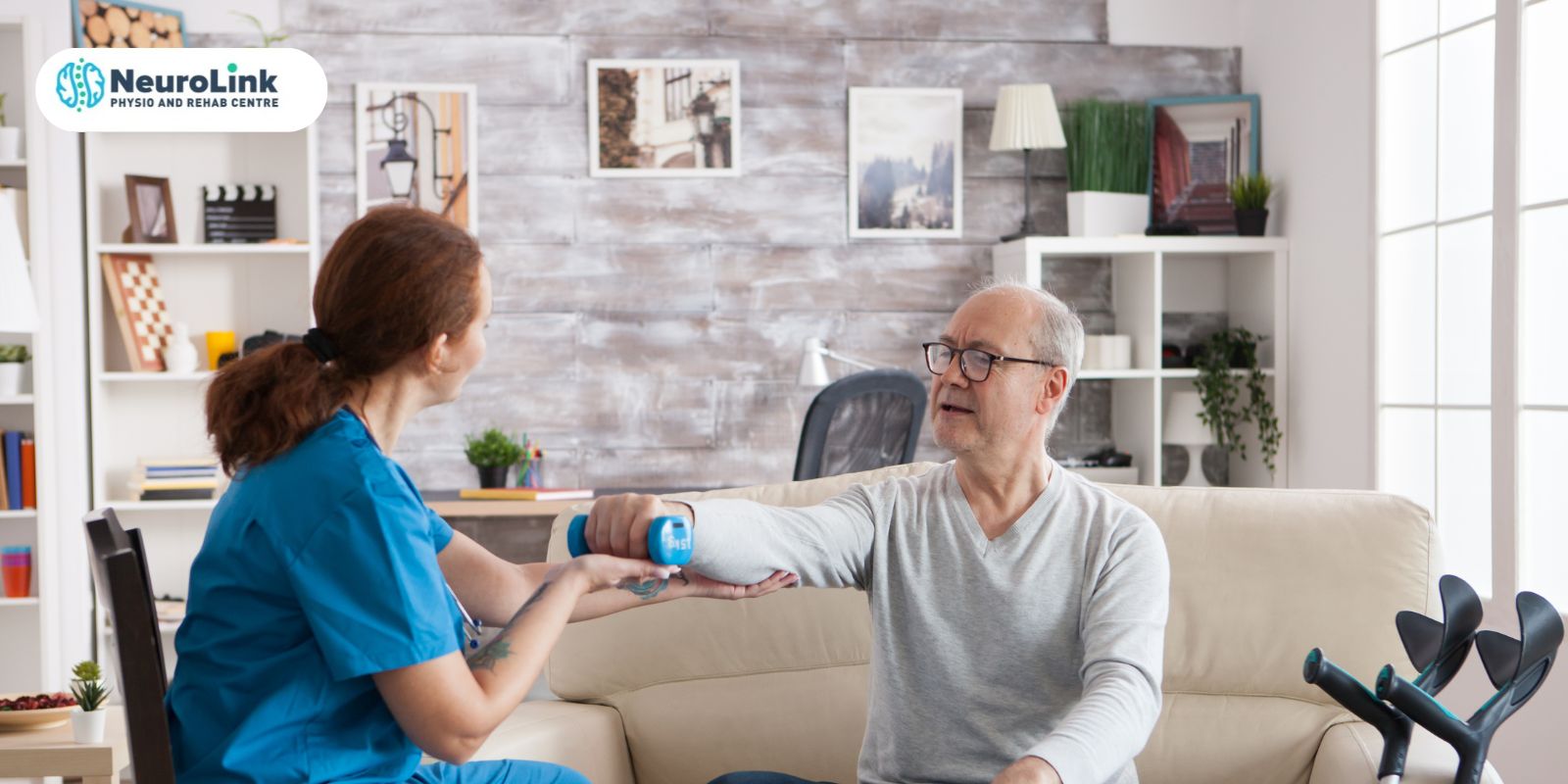
Stroke often affects muscle strength and coordination. Occupational therapists use targeted exercises to:
- Improve hand and arm function
- Enhance grip strength
- Increase range of motion
- Restore coordination
These exercises are essential for performing everyday tasks like holding utensils, writing, or using a phone.
3. Enhancing Cognitive Function
Many stroke patients experience cognitive difficulties such as memory loss, reduced attention span, and impaired problem-solving skills.
Occupational therapy addresses these issues through:
- Memory exercises
- Attention training
- Task sequencing activities
- Problem-solving challenges
By improving cognitive abilities, patients can better manage their daily routines and make independent decisions.
4. Training in Adaptive Techniques
Sometimes, full recovery of certain abilities may not be possible. In such cases, occupational therapists teach adaptive techniques to help patients function effectively despite limitations.
Examples include:
- Using one hand to perform tasks
- Modifying movement patterns
- Learning new ways to complete activities
At the Best physiotherapy and rehab centre in Gurgaon, therapists ensure patients are equipped with practical strategies that make daily life easier and safer.
5. Use of Assistive Devices
Assistive devices play a vital role in promoting independence. Occupational therapists recommend and train patients to use tools such as:
- Grab bars and handrails
- Adaptive utensils
- Wheelchairs or walkers
- Dressing aids
These devices reduce physical strain and increase confidence, allowing patients to perform tasks with minimal assistance.
6. Home and Environment Modification
A patient’s home environment can significantly impact their recovery. Occupational therapists assess living spaces and suggest modifications to improve safety and accessibility.
These may include:
- Installing ramps or railings
- Rearranging furniture for easy movement
- Improving lighting
- Removing fall hazards
At the Best physiotherapy and rehab centre in Gurgaon, therapists often provide guidance to caregivers and family members to create a supportive home environment.
7. Emotional and Psychological Support
Stroke recovery is not just physical—it is deeply emotional. Many patients experience frustration, anxiety, or depression due to sudden loss of independence.
Occupational therapy helps by:
- Encouraging gradual progress
- Setting achievable goals
- Building self-confidence
- Providing emotional reassurance
Therapists act as motivators, helping patients stay positive and focused throughout their recovery journey.
8. Improving Upper Limb Function
The upper limbs, especially hands, are often severely affected by stroke. Occupational therapy focuses extensively on restoring their function through:
- Fine motor skill exercises
- Hand-eye coordination training
- Repetitive task practice
Improved upper limb function directly enhances a patient’s ability to perform daily tasks independently.
9. Community Reintegration
Independence goes beyond the home. Occupational therapy also prepares patients to re-engage with society by:
- Practicing outdoor mobility
- Teaching social interaction skills
- Building confidence in public settings
At the Best physiotherapy and rehab centre in Gurgaon, therapists encourage patients to gradually return to work, hobbies, and social activities.
10. Personalized Treatment Plans
Every stroke patient is unique, and so is their recovery journey. Occupational therapists design customized treatment plans based on:
- Severity of stroke
- Patient’s goals
- Lifestyle and environment
- Physical and cognitive abilities
This personalized approach ensures more effective and meaningful recovery outcomes.
The Role of Family and Caregivers
Family members play a crucial role in supporting stroke recovery. Occupational therapists guide caregivers on:
- Assisting with exercises
- Encouraging independence
- Maintaining safety
- Providing emotional support
At the Best physiotherapy and rehab centre in Gurgaon, caregiver education is an integral part of the rehabilitation process.
Benefits of Occupational Therapy for Stroke Patients
Occupational therapy offers numerous benefits, including:
- Increased independence in daily activities
- Improved physical strength and coordination
- Enhanced cognitive function
- Better emotional well-being
- Reduced dependency on caregivers
- Improved overall quality of life
With consistent therapy and support from the Best physiotherapy and rehab centre in Gurgaon, patients can achieve significant improvements and regain control over their lives.
Why Early Intervention Matters
The sooner occupational therapy begins after a stroke, the better the outcomes. Early intervention helps:
- Prevent muscle stiffness
- Reduce complications
- Accelerate recovery
- Improve long-term independence
Timely rehabilitation at the Best physiotherapy and rehab centre in Gurgaon ensures patients receive the right care at the right time.
Combining Occupational Therapy with Physiotherapy
While occupational therapy focuses on daily activities and functional independence, physiotherapy addresses movement, strength, and mobility.
When combined, these therapies provide a comprehensive rehabilitation approach that:
- Enhances physical recovery
- Improves functional abilities
- Speeds up overall progress
This integrated approach is a hallmark of the Best physiotherapy and rehab centre in Gurgaon, ensuring holistic care for stroke patients.
Success Stories and Real-Life Impact
Many stroke survivors have regained independence through occupational therapy. From being unable to hold a spoon to managing their daily routines independently, the transformation is remarkable.
These success stories highlight the importance of expert care and consistent effort. At the Best physiotherapy and rehab centre in Gurgaon, such outcomes are achieved through dedication, expertise, and patient-centered care.
Tips for Stroke Patients Undergoing Occupational Therapy
- Stay consistent with therapy sessions
- Practice exercises at home regularly
- Set realistic goals
- Be patient with progress
- Maintain a positive mindset
- Communicate openly with therapists
Recovery is a gradual process, but with the right approach, independence is achievable.
Conclusion
Occupational therapy is a powerful tool in stroke rehabilitation. It goes beyond physical recovery, helping patients rebuild their lives and regain independence in meaningful ways. From relearning daily tasks to improving cognitive function and emotional well-being, its impact is profound.
Choosing the Best physiotherapy and rehab centre in Gurgaon ensures access to skilled professionals, personalized care, and a supportive environment that fosters recovery. With the right guidance and consistent effort, stroke patients can overcome challenges and lead fulfilling, independent lives once again.
https://www.instagram.com/neurolink.hyd?
contact us :-97 0303 0405
for more information visit us :-
About NeuroLink Rehab | Neurological Care in Gurgaon