What is Traumatic Brain Injury (TBI)?
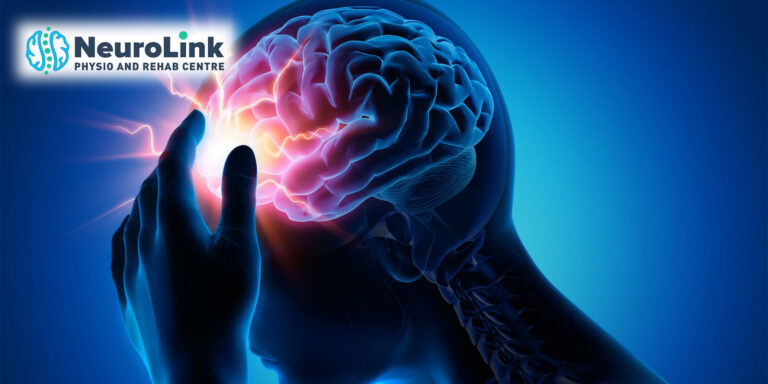
Traumatic Brain Injury, or TBI, happens when a sudden force injures the brain. For example, a fall, car crash, or sports accident can cause TBI. Sometimes, even a mild bump can lead to symptoms. However, severe injuries may cause lasting problems. Common symptoms include headaches, confusion, dizziness, memory loss, and trouble moving. If you notice these signs after a head injury, seek medical help right away. Doctors use scans and tests to diagnose TBI. Early treatment can help prevent further damage.
The Role of Physiotherapy in TBI Recovery
After a TBI, many people have trouble with movement, balance, or strength. Because of this, physiotherapy plays a key role in recovery. Physiotherapists create special plans for each person. They help patients regain lost skills and improve daily life. In addition, physiotherapy can reduce pain and stiffness. It also helps prevent muscle weakness. With regular sessions, patients often see steady progress. According to the CDC, early rehab leads to better outcomes for TBI patients.
Common Physiotherapy Techniques for TBI
Physiotherapists use many techniques to help people with TBI. Each plan depends on the patient’s needs. For example, some common methods include:Balance training: Simple exercises help improve stability and prevent falls.Strength exercises: These build muscle and support weak areas.Stretching routines: Gentle stretches keep muscles flexible and reduce stiffness.Gait training: Therapists teach safe walking patterns.Coordination drills: These help with hand-eye or foot-eye skills.Neuro physiotherapy for brain injury: Special exercises target the brain’s ability to relearn movements.
Often, therapists use tools like balance boards or resistance bands. They may also suggest TBI rehabilitation exercises to do at home.
Benefits of Physiotherapy for TBI Patients
Physiotherapy offers many benefits for people recovering after traumatic brain injury. For instance, it can:Improve movement and strengthReduce pain and muscle tightnessBoost balance and prevent fallsIncrease independence in daily tasksSupport faster and safer recoveryLower the risk of long-term disability
Moreover, regular sessions help patients feel more confident. Over time, many people regain skills they thought were lost. The World Health Organization notes that early and ongoing rehab is vital for the best results.
Tips for Maximizing Recovery at Home
While therapy sessions are important, home care also matters. Therefore, follow these tips to support recovery after traumatic brain injury:Follow your therapist’s exercise plan every dayRest when you feel tired, but stay active as advisedEat healthy foods to support brain healingDrink enough water to stay hydratedKeep your home safe to avoid fallsAsk family or friends for help when neededTrack your progress and celebrate small wins
Additionally, always tell your therapist about new symptoms or concerns. This helps them adjust your plan for better results.
Prevention and Safety Advice
Although accidents can happen, you can lower your risk of TBI. Here are some simple steps:Wear helmets when biking, skating, or playing sportsUse seat belts in cars at all timesKeep floors clear to prevent trips and fallsInstall grab bars in bathrooms if neededSupervise children during playFollow safety rules at work and home
Furthermore, regular exercise can improve balance and strength, making falls less likely. For more advice, talk to a healthcare provider or physiotherapist.
In summary, physiotherapy for traumatic brain injury can make a big difference in recovery. With the right support, many people regain their independence and quality of life. Consult a qualified physiotherapist or neurologist at Neuro Link for personalized advice on TBI recovery.