Introduction to Dystonia
Dystonia is a movement disorder that causes muscles to contract without control. As a result, these muscle contractions can lead to twisting, repetitive movements, or abnormal postures. Although dystonia can affect any part of the body, it often starts in the neck, face, or hands. Early recognition of dystonia symptoms is important. With the right care, many people can manage their symptoms and improve their quality of life.
Symptoms of Dystonia
Dystonia symptoms can vary from mild to severe. Sometimes, symptoms may start slowly and get worse over time. For example, you may notice small muscle spasms at first. Over time, these spasms can become more frequent or spread to other areas. Common symptoms include:Involuntary muscle contractionsTwisting or repetitive movementsAbnormal postures, such as a twisted neck or clenched handMuscle cramps or painTremors or shakingDifficulty with tasks like writing or walking
However, not everyone will have all these symptoms. Sometimes, symptoms may get worse with stress or fatigue.
Causes and Risk Factors
Although the exact cause of dystonia is not always known, experts believe it involves changes in the brain areas that control movement. Some common causes and risk factors include:Genetic factors (family history of dystonia)Brain injury or traumaStroke or certain infectionsSide effects from some medicationsOther neurological conditions
Additionally, dystonia can affect people of any age. Yet, it is more common in adults and may run in families.
Diagnosis of Dystonia
Doctors diagnose dystonia based on your symptoms and a physical exam. Sometimes, they may order tests to rule out other conditions. For instance, you might need blood tests, brain scans, or genetic testing. Early diagnosis is important, as it helps guide the best treatment plan. If you notice unusual muscle movements or postures, talk to your doctor soon.
Physiotherapy Management and Treatment Options
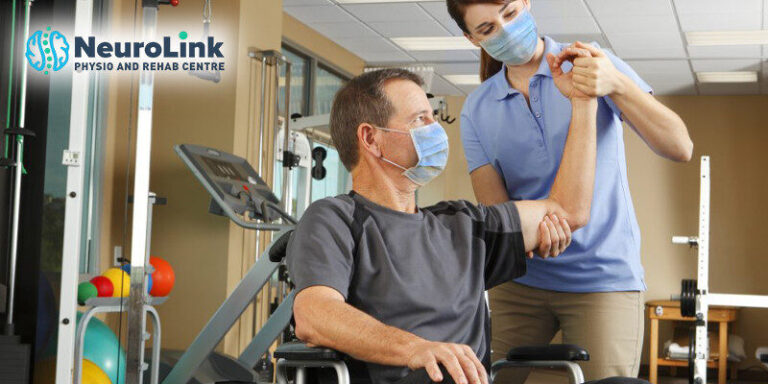
Physiotherapy for dystonia plays a key role in managing symptoms. In fact, many people benefit from a tailored exercise program. Physiotherapists use different techniques to help reduce muscle spasms and improve movement. Common dystonia physiotherapy treatments include:Stretching and strengthening exercisesPosture trainingRelaxation techniquesBalance and coordination exercisesEducation on daily movement strategies
Besides physiotherapy, doctors may suggest medications or injections to relax muscles. In some cases, surgery may be an option. However, most people start with less invasive treatments first. If you are looking for physiotherapy for dystonia in your area, ask your doctor for a referral.
Lifestyle Tips and Prevention
Although you cannot always prevent dystonia, certain lifestyle changes can help manage symptoms. For example, you can:Practice stress management, such as deep breathing or meditationGet regular exercise, as advised by your physiotherapistMaintain good sleep habitsAvoid triggers like fatigue or certain medicationsUse adaptive tools for daily tasks, if needed
Moreover, staying informed about your condition can help you feel more in control. Support groups and counseling may also be helpful.
When to See a Specialist
If you notice new or worsening muscle spasms, it is important to seek medical advice. Early treatment can make a big difference. You should see a specialist if:Your symptoms interfere with daily lifeYou have pain or discomfort that does not improveYou notice changes in movement or postureYou have a family history of movement disorders
Remember, a neurologist or physiotherapist can help you understand how to manage dystonia and improve your quality of life.
For expert guidance on managing dystonia, visit Neuro Link for tailored treatment options.