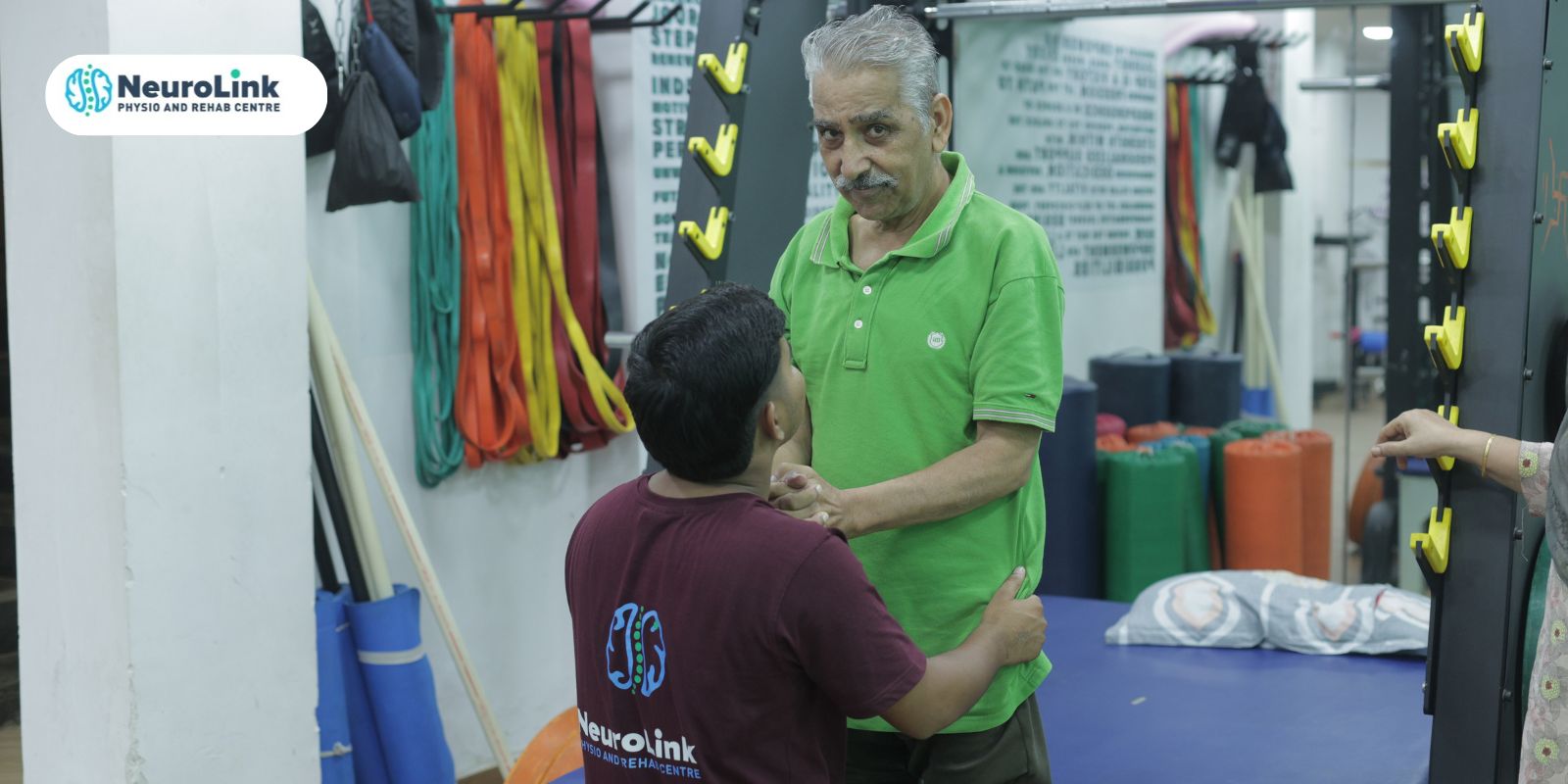
Stroke recovery is often a long and emotionally challenging journey. Many stroke survivors struggle with movement, balance, speech, coordination, and daily activities even months after the initial event. Seeking the best physiotherapy in Gurgaon can play a crucial role in improving recovery outcomes through personalized rehabilitation programs. Traditional physiotherapy has long been considered the gold standard for rehabilitation, but technological advancements are introducing newer and more engaging methods of recovery. One of the most talked-about innovations today is Virtual Reality (VR) therapy.
But the real question remains — does Virtual Reality therapy actually help stroke patients recover faster and better?
Understanding Stroke Rehabilitation
A stroke occurs when blood flow to a part of the brain is interrupted, leading to damage in brain cells. Depending on the severity and location of the stroke, patients may experience:
- Weakness or paralysis on one side of the body
- Difficulty speaking or understanding language
- Loss of balance and coordination
- Memory or cognitive issues
- Reduced hand and arm function
- Difficulty walking
Recovery depends heavily on early and consistent rehabilitation. Physiotherapy plays a crucial role in helping patients regain mobility, strength, coordination, and independence.
Traditional rehabilitation methods include:
- Range-of-motion exercises
- Strength training
- Balance exercises
- Gait training
- Functional movement practice
- Neuromuscular re-education
Now, Virtual Reality therapy is being added to these rehabilitation programs to make treatment more interactive and effective.
What Is Virtual Reality Therapy in Stroke Recovery?
Virtual Reality therapy uses computer-generated environments and motion-tracking technology to help stroke patients perform rehabilitation exercises in a simulated setting.
Patients may wear VR headsets or use motion sensors and screens to interact with virtual objects and tasks. These exercises are specifically designed to improve:
- Hand-eye coordination
- Motor control
- Balance
- Walking ability
- Cognitive function
- Reaction time
For example, a patient may practice reaching for virtual objects, walking through simulated pathways, or performing hand movements during interactive games.
The biggest advantage is that therapy becomes more engaging and motivating compared to repetitive traditional exercises.
How Virtual Reality Helps the Brain Heal
The brain has a remarkable ability called neuroplasticity. This means the brain can reorganize itself and form new neural connections after injury.
Stroke rehabilitation aims to stimulate this neuroplasticity through repetitive and task-specific exercises. VR therapy supports this process by encouraging patients to repeatedly practice movements in an immersive and stimulating environment.
When patients actively participate in meaningful virtual tasks, the brain receives constant sensory feedback, which can help improve motor learning and recovery.
This is one reason why many rehabilitation centers offering the best physiotherapy in Gurgaon are now integrating VR-based exercises into stroke rehabilitation programs.
Benefits of Virtual Reality Therapy for Stroke Patients
1. Increased Patient Motivation
Traditional physiotherapy exercises can sometimes feel repetitive and tiring. VR therapy transforms rehabilitation into an interactive experience.
Patients often feel more motivated when exercises resemble games or real-world activities. Increased motivation usually leads to better participation and consistency.
2. Improved Motor Recovery
Research suggests VR therapy can help improve arm, hand, and leg movements after stroke.
Interactive exercises encourage patients to perform repetitive movements, which are essential for rebuilding neural pathways and improving muscle coordination.
Some studies have shown improvements in:
- Upper limb function
- Grip strength
- Walking speed
- Balance control
3. Better Balance and Gait Training
Many stroke survivors struggle with balance and walking.
VR systems can simulate real-life walking environments safely, allowing patients to practice stepping, turning, and obstacle navigation without the fear of falling.
This controlled environment makes gait training safer and more effective.
4. Real-Time Feedback
One major advantage of VR rehabilitation is instant feedback.
Patients can immediately see whether they are performing movements correctly. This helps improve accuracy and encourages proper movement patterns.
Therapists can also track patient performance and modify exercises based on progress.
5. Cognitive Rehabilitation Support
Stroke does not only affect physical movement; it can also impair memory, attention, and problem-solving skills.
Certain VR exercises combine physical and cognitive challenges simultaneously, helping patients improve mental function while performing movement tasks.
6. Enhanced Repetition Without Boredom
Stroke recovery requires hundreds or even thousands of repeated movements.
VR therapy makes repetition less monotonous by introducing interactive goals, visual rewards, and engaging activities.
This helps patients stay focused during longer rehabilitation sessions.
Scientific Evidence: Does VR Therapy Really Work?
Several clinical studies and rehabilitation trials have investigated the effectiveness of VR therapy in stroke recovery.
Research generally suggests that VR therapy can be beneficial, especially when combined with conventional physiotherapy.
Key Findings from Research
- Patients using VR-assisted rehabilitation often show improved arm and hand function.
- VR training may enhance balance and walking ability.
- Interactive rehabilitation improves patient engagement and adherence.
- Combining VR with conventional therapy often produces better outcomes than standard therapy alone.
However, experts also note that VR therapy should not replace traditional rehabilitation entirely. Instead, it should complement structured physiotherapy programs.
The most successful rehabilitation programs usually combine advanced technology with expert clinical supervision.
That is why many centers providing the best physiotherapy in Gurgaon use VR therapy alongside manual therapy, strength training, and functional rehabilitation.
Types of Virtual Reality Used in Stroke Rehabilitation
Non-Immersive VR
This involves using screens, motion sensors, or gaming systems without a headset.
Examples include:
- Motion-controlled exercise games
- Balance training platforms
- Interactive rehabilitation software
This method is easier for elderly patients and those sensitive to motion sickness.
Semi-Immersive VR
Patients interact with large projection screens or partially immersive environments.
These systems provide more engagement while maintaining awareness of the physical surroundings.
Fully Immersive VR
This uses VR headsets to create a completely virtual environment.
Patients feel fully immersed in the therapy session, which can improve concentration and engagement.
However, some patients may experience dizziness or discomfort during prolonged use.
Who Can Benefit Most from VR Stroke Rehabilitation?
Virtual Reality therapy may help patients who have:
- Mild to moderate movement impairments
- Difficulty with hand or arm function
- Balance problems
- Walking difficulties
- Cognitive impairments after stroke
- Reduced therapy motivation
Patients in both early and later stages of recovery may benefit depending on their medical condition and rehabilitation goals.
However, therapy must always be customized according to the patient’s physical abilities, neurological condition, and tolerance levels.
Limitations of Virtual Reality Therapy
Although VR therapy is promising, it is not perfect.
1. Not a Complete Replacement for Physiotherapy
VR cannot fully replace hands-on treatment, manual therapy, or therapist-guided movement correction.
Physical therapists are still essential for:
- Muscle assessment
- Postural correction
- Spasticity management
- Personalized exercise progression
- Safety monitoring
2. Cost and Accessibility
Advanced VR rehabilitation systems can be expensive.
Not every rehabilitation clinic has access to high-end VR technology, although availability is increasing rapidly in urban healthcare centers.
3. Motion Sickness and Fatigue
Some patients may experience:
- Dizziness
- Nausea
- Eye strain
- Fatigue
Sessions often need gradual progression to avoid discomfort.
4. Variable Research Results
While many studies show positive outcomes, some research indicates only moderate improvements compared to standard therapy.
Results may vary depending on:
- Stroke severity
- Patient participation
- Therapy intensity
- Duration of rehabilitation
Combining VR Therapy with Traditional Physiotherapy
The best rehabilitation outcomes often come from combining modern technology with expert physiotherapy care.
A comprehensive stroke rehabilitation program may include:
- VR-assisted movement exercises
- Strength training
- Functional mobility exercises
- Balance training
- Gait rehabilitation
- Occupational therapy
- Speech therapy
- Neurological physiotherapy
Clinics offering the best physiotherapy in Gurgaon are increasingly adopting multidisciplinary approaches where VR technology supports personalized rehabilitation plans.
This balanced combination ensures patients receive both technological advantages and expert clinical supervision.
What Happens During a VR Stroke Rehabilitation Session?
A typical VR therapy session may involve:
Initial Assessment
The physiotherapist evaluates:
- Mobility
- Muscle strength
- Coordination
- Balance
- Functional limitations
Customized Exercise Selection
The therapist selects VR activities based on the patient’s goals and abilities.
For example:
- Reaching exercises for arm recovery
- Stepping activities for gait training
- Balance tasks for fall prevention
Interactive Training
Patients interact with virtual objects, environments, or games while therapists monitor performance.
Progress Monitoring
The system records:
- Accuracy
- Speed
- Movement quality
- Completion rates
This data helps therapists track recovery progress objectively.
Home-Based VR Rehabilitation
One exciting development in stroke recovery is home-based VR therapy.
Portable VR systems and rehabilitation software now allow patients to continue exercises from home under remote supervision.
Benefits include:
- Increased therapy frequency
- Greater convenience
- Reduced travel burden
- Improved long-term consistency
However, home-based VR rehabilitation should still be supervised periodically by qualified physiotherapists.
Is Virtual Reality Therapy Safe for Stroke Patients?
In most cases, VR therapy is considered safe when supervised by trained professionals.
Safety precautions include:
- Monitoring fatigue levels
- Preventing falls
- Adjusting exercise difficulty
- Limiting session duration initially
Patients with severe balance issues, seizures, or visual impairments may require additional precautions before using VR systems.
A proper clinical assessment is always necessary before starting treatment.
The Future of Stroke Rehabilitation
Technology is rapidly changing the future of rehabilitation medicine.
Emerging innovations include:
- AI-powered rehabilitation programs
- Motion-tracking wearable devices
- Robotic-assisted therapy
- Virtual reality combined with brain stimulation
- Remote tele-rehabilitation systems
These advancements aim to make rehabilitation more personalized, engaging, and accessible.
As healthcare technology evolves, more rehabilitation centers providing the best physiotherapy in Gurgaon are likely to adopt advanced neurorehabilitation tools to improve patient outcomes.
Tips for Choosing the Right Stroke Rehabilitation Center
If you are considering VR-assisted rehabilitation, look for centers that offer:
- Qualified neuro physiotherapists
- Personalized treatment plans
- Comprehensive stroke rehabilitation
- Advanced rehabilitation equipment
- Balance and gait training
- Patient progress monitoring
- Safe and supervised therapy sessions
Technology alone is not enough. The expertise of physiotherapists remains the most important factor in successful stroke recovery.
Virtual Reality Therapy for Stroke Recovery: Is It the Future of Rehabilitation?
Stroke is one of the leading causes of long-term disability worldwide. Survivors often face major challenges in regaining movement, balance, speech, and independence. Recovery after a stroke requires patience, consistency, and a well-planned rehabilitation program. In recent years, Virtual Reality (VR) therapy has emerged as a modern rehabilitation technique that is transforming the way stroke recovery is approached.
Virtual Reality therapy combines technology with rehabilitation exercises to create interactive and engaging treatment experiences. Many healthcare experts now believe that VR-assisted rehabilitation may improve recovery outcomes when combined with traditional physiotherapy.
Patients searching for the best physiotherapy in Gurgaon are increasingly looking for rehabilitation centers that offer advanced therapies like Virtual Reality rehabilitation. But does this technology truly work, or is it simply another healthcare trend?
Understanding Stroke Rehabilitation
A stroke occurs when blood supply to the brain is interrupted due to a blockage or bleeding. This damages brain cells and affects the body’s ability to function normally.
Depending on the severity of the stroke, patients may experience:
- Muscle weakness
- Paralysis on one side
- Difficulty walking
- Poor balance
- Speech problems
- Reduced hand movement
- Memory issues
- Cognitive impairment
Stroke rehabilitation aims to help patients regain lost abilities and improve independence in daily life.
Traditionally, rehabilitation has relied heavily on exercises supervised by physiotherapists. However, advancements in medical technology are now improving the effectiveness and engagement of therapy sessions.
This is one reason why centers offering the best physiotherapy in Gurgaon are adopting advanced rehabilitation methods such as Virtual Reality therapy.
What Is Virtual Reality Therapy?
Virtual Reality therapy uses computer-generated environments to help patients perform rehabilitation exercises interactively.
Patients may use:
- VR headsets
- Motion-tracking sensors
- Interactive screens
- Hand controllers
- Balance platforms
The system creates simulated activities that encourage patients to move, react, and complete tasks in a virtual environment.
For example, patients may:
- Catch virtual objects
- Practice reaching movements
- Walk through simulated paths
- Perform balance tasks
- Improve hand coordination through games
The purpose is to make rehabilitation more engaging while promoting repetitive movement training.
Many specialists providing the best physiotherapy in Gurgaon believe VR therapy improves patient participation and consistency during stroke rehabilitation.
How VR Therapy Helps Stroke Recovery
The human brain has an incredible ability called neuroplasticity. This refers to the brain’s capacity to reorganize and form new neural pathways after injury.
Stroke rehabilitation depends on stimulating neuroplasticity through repeated practice and movement training.
Virtual Reality therapy supports this process by:
- Encouraging repetitive movement
- Providing sensory feedback
- Improving focus and concentration
- Simulating real-life activities
- Enhancing motor learning
- Increasing therapy engagement
The more frequently patients practice movements, the greater the chances of rebuilding damaged neural connections.
This is why the best physiotherapy in Gurgaon often combines VR-assisted therapy with conventional neurological rehabilitation.
Benefits of Virtual Reality Therapy in Stroke Rehabilitation
1. Increased Patient Motivation
One of the biggest challenges in stroke recovery is maintaining patient motivation.
Traditional exercises can become repetitive and mentally exhausting. VR therapy transforms rehabilitation into interactive experiences that feel more like games than medical exercises.
Patients often enjoy VR sessions more, which leads to:
- Better participation
- Longer therapy sessions
- Improved consistency
- Greater emotional engagement
The best physiotherapy in Gurgaon focuses not only on physical recovery but also on improving patient motivation during rehabilitation.
2. Improved Arm and Hand Function
Upper limb weakness is very common after stroke.
Many patients struggle with:
- Gripping objects
- Holding items
- Writing
- Reaching movements
- Finger coordination
VR-based exercises encourage repetitive hand and arm movements through interactive tasks.
Research suggests that these repetitive activities may improve:
- Hand coordination
- Grip strength
- Arm mobility
- Fine motor control
Several rehabilitation centers offering the best physiotherapy in Gurgaon now include VR-assisted upper limb rehabilitation programs for stroke patients.
3. Better Balance and Gait Training
Balance impairment and walking difficulties are major concerns after stroke.
Virtual Reality systems allow patients to safely practice:
- Walking patterns
- Weight shifting
- Obstacle avoidance
- Stair climbing
- Postural control
Because the environment is controlled, therapists can safely challenge patients without increasing the risk of falls.
The best physiotherapy in Gurgaon often includes VR-based gait training to help patients regain confidence while walking.
4. Real-Time Feedback Improves Recovery
Traditional rehabilitation relies heavily on therapist observation.
VR therapy provides instant visual and sensory feedback, helping patients understand whether they are performing movements correctly.
This feedback improves:
- Movement accuracy
- Coordination
- Learning speed
- Motor control
Therapists can also track detailed progress data, making rehabilitation programs more personalized and measurable.
5. Enhanced Cognitive Rehabilitation
Stroke recovery is not limited to physical rehabilitation.
Many stroke survivors experience:
- Memory loss
- Attention difficulties
- Slow processing
- Reduced concentration
Certain VR programs combine physical and cognitive challenges together.
For example, patients may:
- Follow instructions while moving
- Solve simple tasks during exercises
- React to visual cues
- Improve decision-making skills
This dual-task training supports overall neurological recovery.
The best physiotherapy in Gurgaon often uses multidisciplinary approaches that combine cognitive and physical rehabilitation.
Scientific Evidence: Does VR Therapy Really Work?
Research on VR therapy for stroke recovery has grown rapidly in recent years.
Several studies suggest that VR-assisted rehabilitation can improve:
- Upper limb function
- Balance
- Walking speed
- Coordination
- Daily activity performance
- Therapy engagement
Research also indicates that patients using VR rehabilitation may complete more repetitions compared to standard physiotherapy alone.
However, experts agree that VR therapy should not replace conventional physiotherapy entirely.
Instead, the most effective rehabilitation programs combine:
- Traditional physiotherapy
- Neurological rehabilitation
- Functional training
- VR-assisted exercises
This integrated approach is becoming increasingly common in clinics providing the best physiotherapy in Gurgaon.
Types of VR Rehabilitation Used in Stroke Therapy
Non-Immersive VR Systems
These systems use screens and sensors without fully immersive headsets.
Examples include:
- Interactive rehabilitation games
- Motion-based exercise systems
- Screen-guided exercises
This type is easier for elderly patients and beginners.
Semi-Immersive VR Systems
Semi-immersive systems use larger displays or projections to create more engaging environments.
Patients remain aware of their surroundings while interacting with virtual exercises.
Fully Immersive VR Systems
Fully immersive systems use VR headsets to create complete digital environments.
Patients can experience:
- Simulated walking environments
- Interactive hand exercises
- Virtual balance tasks
- Realistic movement training
Although immersive VR is highly engaging, some patients may experience motion sickness or dizziness.
Why the Best Physiotherapy in Gurgaon Is Adopting VR Therapy
Modern rehabilitation is becoming more technology-driven.
Centers known for the best physiotherapy in Gurgaon are integrating advanced rehabilitation techniques to improve recovery outcomes.
VR therapy offers several advantages:
- Increased patient engagement
- Better therapy adherence
- Personalized rehabilitation programs
- Real-time progress tracking
- Safe balance training
- Enhanced neuroplasticity stimulation
When combined with expert physiotherapy care, these technologies can improve both physical and emotional recovery.
The best physiotherapy in Gurgaon understands that stroke rehabilitation requires a combination of medical expertise, technology, and patient-centered care.
Can Virtual Reality Replace Traditional Physiotherapy?
No, Virtual Reality therapy cannot completely replace traditional physiotherapy.
While VR technology is highly beneficial, physiotherapists remain essential for:
- Physical assessment
- Muscle testing
- Manual therapy
- Spasticity management
- Joint mobilization
- Exercise progression
- Safety supervision
VR therapy works best as a supportive rehabilitation tool rather than a complete replacement.
The best physiotherapy in Gurgaon combines therapist expertise with modern rehabilitation technology for better patient outcomes.
Who Can Benefit Most from VR Therapy?
VR-assisted rehabilitation may benefit patients who have:
- Mild to moderate stroke impairments
- Balance difficulties
- Walking problems
- Hand coordination issues
- Reduced motivation
- Cognitive impairments
- Functional mobility limitations
However, every rehabilitation plan should be customized according to the patient’s medical condition and rehabilitation goals.
Limitations of VR Stroke Rehabilitation
Although VR therapy offers many advantages, it also has limitations.
1. Cost of Equipment
Advanced VR rehabilitation systems can be expensive.
This may limit accessibility in some healthcare settings.
2. Motion Sickness and Fatigue
Some patients may experience:
- Dizziness
- Eye strain
- Fatigue
- Nausea
Therapy sessions should begin gradually under professional supervision.
3. Not Suitable for All Patients
Patients with severe:
- Visual impairment
- Cognitive dysfunction
- Balance disorders
- Epilepsy
may require additional precautions before using VR systems.
4. Requires Professional Guidance
VR therapy should always be supervised by qualified rehabilitation professionals.
The best physiotherapy in Gurgaon ensures patient safety while using advanced rehabilitation technology.
Home-Based VR Rehabilitation
One exciting development in neurological rehabilitation is home-based VR therapy.
Portable rehabilitation systems now allow stroke patients to continue therapy exercises from home.
Benefits include:
- More consistent practice
- Greater convenience
- Reduced travel burden
- Increased therapy frequency
Some clinics providing the best physiotherapy in Gurgaon also offer guided home rehabilitation programs supported by digital monitoring.
However, regular supervision remains important to ensure safe and effective progress.
The Future of Stroke Rehabilitation
Technology is rapidly changing rehabilitation medicine.
Future advancements may include:
- AI-powered rehabilitation
- Robotic-assisted physiotherapy
- Wearable movement sensors
- Brain-computer interfaces
- Tele-rehabilitation systems
- VR combined with robotics
These technologies aim to make rehabilitation:
- More personalized
- More engaging
- More accessible
- More effective
The best physiotherapy in Gurgaon is likely to continue adopting advanced technologies that improve patient recovery outcomes.
Tips for Choosing the Best Physiotherapy in Gurgaon for Stroke Recovery
When selecting a rehabilitation center, consider:
- Experienced neuro physiotherapists
- Personalized treatment plans
- Advanced rehabilitation technology
- Balance and gait training
- Neurological rehabilitation expertise
- Progress monitoring systems
- Safe rehabilitation environment
Choosing the best physiotherapy in Gurgaon can significantly impact the speed and quality of stroke recovery.
Technology is important, but professional guidance and personalized care remain the foundation of successful rehabilitation.
Final Verdict: Does Virtual Reality Therapy Really Work?
Yes, Virtual Reality therapy can play a highly effective role in stroke rehabilitation when combined with conventional physiotherapy.
Research suggests that VR-assisted therapy may improve:
- Movement control
- Balance
- Walking ability
- Coordination
- Therapy participation
- Cognitive function
Its greatest advantage is increasing patient engagement during rehabilitation.
However, VR therapy works best as part of a comprehensive rehabilitation plan supervised by experienced professionals.
Patients looking for the best physiotherapy in Gurgaon should consider rehabilitation centers that combine evidence-based physiotherapy with modern technologies like Virtual Reality therapy.
Stroke recovery requires patience, consistency, expert guidance, and the right rehabilitation environment. With proper treatment and continuous effort, many stroke survivors can regain independence and improve their overall quality of life.
Frequently Asked Questions (FAQs)
1. What is Virtual Reality therapy for stroke rehabilitation?
Virtual Reality therapy uses interactive computer-generated environments to help stroke patients improve movement, coordination, balance, and cognitive function.
2. Is VR therapy effective for stroke recovery?
Yes, research suggests VR therapy can improve motor recovery, walking ability, balance, and patient motivation when combined with traditional rehabilitation.
3. Can Virtual Reality replace physiotherapy?
No. VR therapy is a supportive tool and should complement conventional physiotherapy rather than replace it.
4. Is VR therapy safe for stroke patients?
In most cases, VR therapy is safe under professional supervision. Patients may require customized programs based on their medical condition.
5. Who can benefit from VR-assisted rehabilitation?
Patients with movement problems, balance issues, walking difficulties, and coordination impairments after stroke may benefit from VR rehabilitation.
6. Are home-based VR rehabilitation systems available?
Yes, some rehabilitation programs provide portable VR systems that allow patients to continue therapy exercises at home.
7. Why is physiotherapy important after stroke?
Physiotherapy helps restore strength, movement, balance, coordination, and independence after stroke.
8. How do I choose the best physiotherapy in Gurgaon for stroke recovery?
Look for experienced neuro physiotherapists, advanced rehabilitation technology, personalized treatment plans, and comprehensive stroke rehabilitation services.
For More Information Visit us on :-
https://www.instagram.com/neurolink.hyd
https://www.facebook.com/neurolinkrehab
Contact us on :- 97 0303 0405