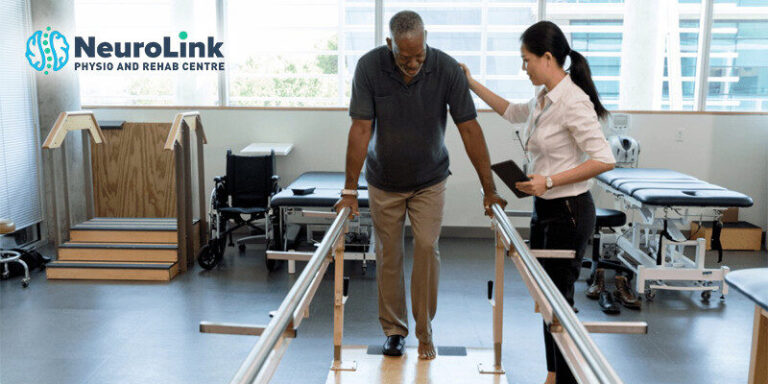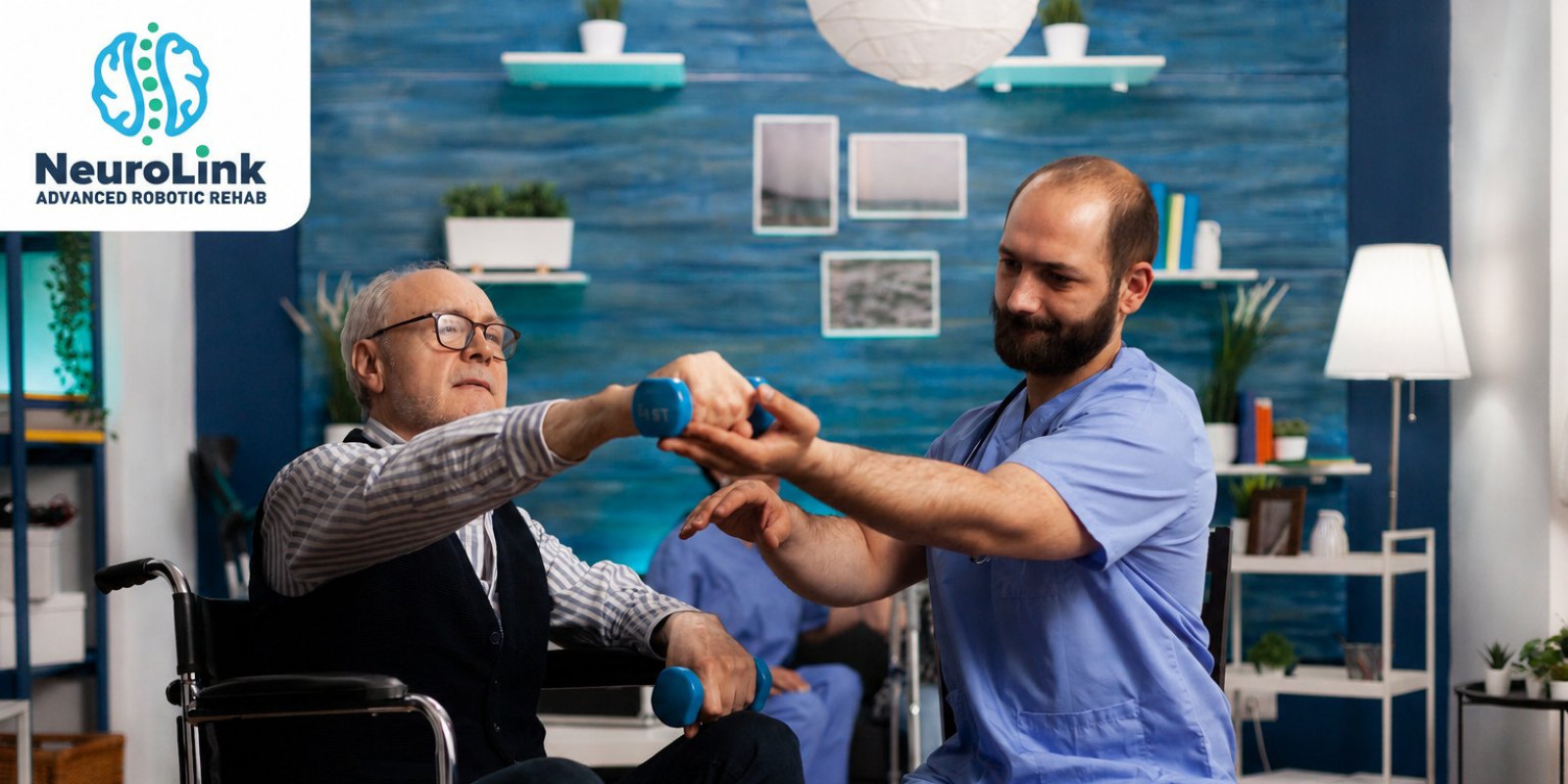
Recovery from an injury, illness, surgery, neurological condition, or physical limitation can take time, patience, and professional support. For many people, proper rehabilitation plays an important role in regaining strength, mobility, independence, and confidence. Professional rehabilitation services are designed to help individuals work toward their recovery goals through structured treatment, personalized care, and ongoing guidance.
Whether someone is recovering from an accident, stroke, surgery, neurological condition, orthopedic problem, or another health-related challenge, rehabilitation can provide the support needed to improve everyday functioning. The right rehabilitation program focuses not only on physical recovery but also on helping individuals return to their normal activities as safely and independently as possible.
What Are Rehabilitation Services?
Rehabilitation services are specialized healthcare services that help people improve or regain physical, cognitive, communication, and functional abilities affected by injury, illness, surgery, or medical conditions.
Rehabilitation is not necessarily the same for every person. A treatment plan is usually developed according to the individual’s condition, current abilities, recovery goals, and lifestyle. Healthcare professionals assess the person’s needs and create a structured plan that may include physical exercises, mobility training, occupational activities, speech and communication support, and other therapeutic approaches.
The main purpose is to help individuals become more independent and improve their overall quality of life.
Why Are Rehabilitation Services Important?
Recovery can sometimes be challenging without proper professional guidance. Patients may experience weakness, reduced mobility, difficulty performing daily activities, balance problems, communication difficulties, or loss of confidence after an injury or illness.
Professional rehabilitation services can provide structured support throughout the recovery process.
Some important benefits include:
- Improving strength and physical function
- Supporting mobility and balance
- Helping patients perform daily activities
- Improving coordination and flexibility
- Supporting recovery after surgery or injury
- Helping individuals regain confidence
- Promoting greater independence
- Supporting long-term functional improvement
- Providing personalized recovery goals
A rehabilitation program can also help families understand the recovery process and learn how they can support their loved ones.
Who Can Benefit From Rehabilitation?
Rehabilitation may be beneficial for people dealing with a wide range of conditions and situations. The type and intensity of therapy depend on the individual’s needs.
People who may benefit include those recovering from:
- Stroke and neurological conditions
- Brain or spinal injuries
- Orthopedic injuries
- Joint replacement surgery
- Fractures
- Sports injuries
- Accidents and trauma
- Muscle weakness
- Balance and coordination problems
- Movement difficulties
- Certain chronic conditions
- Surgery-related functional limitations
Children, adults, and older individuals may all require different approaches to rehabilitation. This is why an individualized assessment is important before starting a treatment program.
Different Types of Rehabilitation Services
Rehabilitation can involve several areas of care. Depending on the individual’s condition, healthcare professionals may recommend one or more types of therapy.
1. Physical Rehabilitation
Physical rehabilitation focuses on improving movement, strength, flexibility, coordination, and physical function.
A physiotherapist may develop an exercise program based on the person’s abilities and recovery goals. Exercises can be gradually adjusted as the individual progresses.
Physical rehabilitation may be useful after surgery, injury, stroke, neurological conditions, or periods of reduced physical activity.
2. Neurological Rehabilitation
Neurological rehabilitation focuses on individuals affected by conditions involving the brain, spinal cord, or nervous system.
The goal may include improving movement, balance, coordination, mobility, and functional independence. Depending on the condition, therapy may involve carefully planned exercises and functional activities.
Neurological rehabilitation often requires patience and consistent participation because recovery can vary considerably from person to person.
3. Occupational Rehabilitation
Occupational therapy focuses on helping individuals perform everyday activities as independently as possible.
These activities may include:
- Dressing
- Eating
- Personal hygiene
- Writing
- Household activities
- Work-related tasks
- Other daily routines
Occupational rehabilitation can be particularly helpful when an illness or injury affects a person’s ability to manage normal activities.
4. Speech and Communication Rehabilitation
Some individuals may experience difficulties with speech, language, communication, or swallowing following certain medical conditions.
Speech and language therapy can help address these difficulties through personalized exercises and communication strategies.
The specific treatment depends on the individual’s condition and assessment.
5. Post-Surgical Rehabilitation
Recovery does not necessarily end when a surgical procedure is completed. Rehabilitation may be an important part of the recovery process after certain surgeries.
A structured rehabilitation plan can help individuals gradually work toward improved movement and everyday function while following the recommendations of their healthcare team.
How Do Rehabilitation Services Work?
The rehabilitation process generally begins with an assessment. A qualified professional evaluates the individual’s condition, limitations, abilities, and recovery goals.
Based on this assessment, a personalized treatment plan can be developed.
A typical rehabilitation process may include:
Assessment: Understanding the individual’s current physical or functional abilities.
Goal Setting: Establishing realistic and measurable recovery goals.
Personalized Treatment: Selecting suitable therapeutic exercises and activities.
Progress Monitoring: Regularly reviewing improvement and adjusting the program when required.
Functional Training: Practicing activities that are important for everyday life.
Long-Term Guidance: Providing recommendations that can support continued progress.
The exact process can differ depending on the individual’s condition.
Benefits of Professional Rehabilitation
Choosing professional rehabilitation services can provide structured support during recovery. Instead of following random exercises or attempting to manage a condition without guidance, individuals can receive a program based on their specific needs.
Some potential advantages include:
Personalized Care
Every individual has different abilities and recovery goals. Personalized rehabilitation allows treatment to be adapted accordingly.
Professional Guidance
Qualified rehabilitation professionals can monitor exercises, technique, progress, and functional limitations.
Structured Recovery
Having a planned program can make the recovery process more organized and easier to follow.
Improved Functional Ability
Rehabilitation focuses on practical improvements that may help individuals perform daily activities more effectively.
Confidence and Independence
As individuals gradually improve their abilities, they may become more confident in managing everyday tasks.
What Should You Look for in a Rehabilitation Center?
Selecting an appropriate rehabilitation center is an important decision. Before choosing a facility, individuals and families should consider several factors.
Qualified Professionals
Look for a center that has appropriately trained and experienced rehabilitation professionals.
Personalized Treatment Plans
The center should understand that every patient has different needs rather than providing exactly the same program to everyone.
Comprehensive Approach
A good rehabilitation program may involve multiple therapeutic areas depending on the patient’s condition.
Modern Facilities
Appropriate equipment and a comfortable treatment environment can support the rehabilitation process.
Patient-Centered Care
Patients should feel respected, supported, and involved in their recovery goals.
Regular Progress Assessment
Treatment plans may need to change as the individual improves. Regular assessments can help ensure that therapy remains appropriate.
Rehabilitation After Stroke
Stroke recovery can involve several different challenges, including weakness, movement difficulties, balance problems, communication issues, or difficulty performing everyday activities.
Stroke rehabilitation may focus on helping the individual improve functional abilities and become more independent.
Depending on the person’s needs, therapy may involve physical rehabilitation, occupational therapy, speech therapy, balance training, and functional activities.
Recovery timelines vary widely. Some people may experience improvement quickly, while others require longer-term rehabilitation.
Consistent professional support and following the healthcare team’s recommendations can be important parts of the recovery journey.
Rehabilitation After an Injury or Surgery
Injuries and surgeries can temporarily affect mobility, strength, flexibility, and daily activities. Appropriate rehabilitation may help individuals gradually return to their usual routines.
A rehabilitation professional can guide the individual through suitable exercises and functional activities based on the stage of recovery.
It is important not to rush the process. Exercises should be performed according to professional recommendations because doing too much too quickly may not be appropriate for every condition.
The Role of Family in Rehabilitation
Family support can make a meaningful difference during recovery. Rehabilitation may require regular participation and patience, and encouragement from family members can help individuals remain engaged with their treatment plan.
Families can support recovery by:
- Encouraging attendance at therapy sessions
- Helping maintain recommended routines
- Providing a safe environment
- Supporting healthy communication with healthcare professionals
- Celebrating progress without creating unrealistic expectations
- Following professional instructions
Family members should also understand that every person’s recovery journey is different.
How Long Do Rehabilitation Services Take?
There is no single answer to how long rehabilitation services may be required.
The duration depends on several factors, including:
- Type of condition
- Severity of the problem
- Age and general functional status
- Previous health history
- Treatment goals
- Response to therapy
- Consistency with the rehabilitation program
Some people may need rehabilitation for a relatively short period, while others may benefit from longer-term support.
The healthcare professional can provide a more appropriate estimate after evaluating the individual.
Why Personalized Rehabilitation Matters
A personalized approach is one of the most important aspects of effective rehabilitation. Two people with the same diagnosis may have completely different abilities, challenges, and goals.
For example, one person may primarily need help with walking, while another may need support with balance or daily activities.
Personalized rehabilitation services allow professionals to focus on the specific areas that matter most to each individual.
Treatment can also be modified as progress occurs. This flexibility helps keep the rehabilitation program aligned with changing needs.
When Should You Consider Rehabilitation?
People often think about rehabilitation only after a major injury or surgery. However, rehabilitation may also be considered when an individual experiences ongoing difficulty with movement, balance, strength, coordination, communication, or daily activities.
If a doctor or healthcare professional recommends rehabilitation, it is important to understand the reason for the recommendation and discuss suitable treatment options.
Early professional assessment can help identify functional difficulties and determine whether rehabilitation may be appropriate.
Frequently Asked Questions About Rehabilitation Services
What are rehabilitation services used for?
They are used to help individuals improve physical, functional, cognitive, communication, or daily-living abilities affected by injury, illness, surgery, or certain medical conditions.
Are rehabilitation programs the same for everyone?
No. Treatment should generally be adapted according to the individual’s condition, abilities, limitations, and recovery goals.
Can rehabilitation help after surgery?
Yes. Rehabilitation may be recommended after certain surgeries to support recovery of movement, strength, flexibility, and everyday function.
How often should rehabilitation sessions be attended?
The recommended frequency depends on the individual’s condition and treatment plan. A rehabilitation professional can provide guidance based on the person’s needs.
Can older adults benefit from rehabilitation?
Yes. Older adults may benefit from rehabilitation when they experience mobility, balance, strength, or functional difficulties.
Is rehabilitation only physical therapy?
No. Rehabilitation can include physical therapy, occupational therapy, speech and language therapy, neurological rehabilitation, and other supportive approaches depending on the individual’s needs.
Choosing the Right Rehabilitation Support
Finding the right rehabilitation provider is an important step toward a structured recovery journey. Individuals and families should consider the patient’s specific condition, treatment requirements, professional expertise, facilities, personalized care, and overall approach.
The goal should not simply be to complete therapy sessions. A well-planned rehabilitation program should focus on meaningful functional goals and help individuals work toward greater independence and improved quality of life.
Conclusion
Recovery is a journey, and every individual’s journey is different. With appropriate professional assessment, personalized treatment, consistent participation, and family support, many people can work toward improving their functional abilities.
Professional rehabilitation services can provide the structure, guidance, and therapeutic support needed during different stages of recovery. Whether rehabilitation is required after an injury, surgery, stroke, neurological condition, or another health challenge, choosing an experienced and patient-focused rehabilitation provider can be an important step.
If you or your family member has been advised to seek rehabilitation, consult a qualified healthcare professional to understand the most suitable treatment options and create a recovery plan based on individual needs.
https://www.instagram.com/neurolink.hyd
https://www.facebook.com/neurolinkrehab
Contact us on :- 97 0303 0405