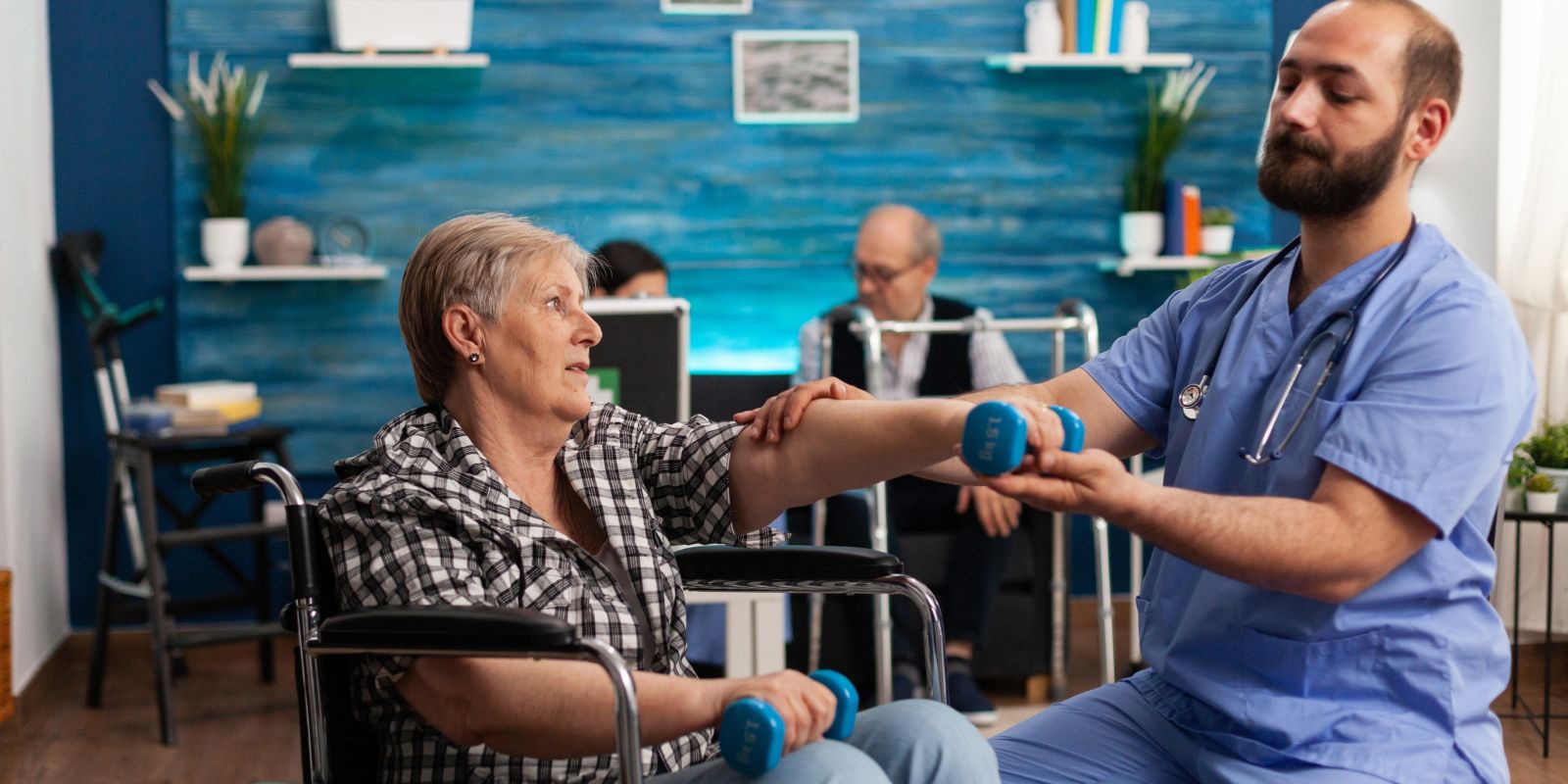
A stroke can change a person’s life within minutes. Simple activities such as walking, speaking, eating, dressing, or holding objects may suddenly become difficult. For patients and their families, the journey after a stroke can feel confusing and stressful. Choosing the right rehabilitation centre in gurugram can help patients access professional rehabilitation support, structured therapy, and personalised recovery plans. With timely medical care, consistent rehabilitation, and family support, many patients can work towards regaining their abilities, improving daily independence, and enhancing their quality of life.
Choosing the right rehabilitation centre in gurugram is an important step in this recovery journey. Professional rehabilitation helps patients practise daily activities, improve movement, develop communication skills, and build confidence. The goal is to help each patient achieve the best possible level of independence according to their condition and recovery potential.
NeuroLink Rehab Centre provides rehabilitation-focused care for individuals who need support after neurological conditions, including stroke. With structured rehabilitation and personalised care, patients can work on their recovery goals with guidance from trained professionals.
What Is a Stroke and How Can It Affect the Body?
A stroke occurs when the blood supply to part of the brain is interrupted or when bleeding damages brain tissue. Brain cells need a continuous supply of oxygen and nutrients to function properly. When this supply is disrupted, some brain cells may become damaged.
The effects of a stroke depend on which part of the brain is affected and how severe the injury is. Some patients experience mild weakness, while others may need extensive support with movement, communication, memory, or daily activities.
Common difficulties after a stroke include:
- Weakness or paralysis: A patient may have difficulty moving one arm, one leg, or one side of the body.
- Walking difficulties: Balance problems, muscle weakness, and poor coordination can make walking unsafe.
- Speech and language problems: Some patients may struggle to speak clearly, understand words, read, or communicate their needs.
- Swallowing difficulties: Stroke can affect the muscles involved in swallowing, making eating and drinking challenging.
- Memory and concentration problems: Patients may find it difficult to remember information, focus, or complete tasks.
- Emotional changes: Frustration, anxiety, sadness, and changes in mood may occur during recovery.
A suitable rehabilitation centre in gurugram can assess these difficulties and help develop a plan based on the patient’s needs, abilities, and medical condition.
It is important to remember that rehabilitation does not guarantee complete recovery. Progress varies from person to person, and treatment should be guided by the patient’s medical team.
Why Is Rehabilitation Important After a Stroke?
Hospital treatment focuses on stabilising the patient and managing the immediate effects of a stroke. Once the patient’s medical condition allows, rehabilitation can help them practise the skills needed for everyday life.
Stroke recovery often requires patience, repetition, professional guidance, and family involvement. Without suitable rehabilitation, some patients may struggle to regain useful movement, manage daily tasks, or adapt to changes in their abilities.
A professional rehabilitation centre in gurugram can provide a structured environment where patients work towards realistic recovery goals.
The main benefits of stroke rehabilitation include:
1. Improving Body Movement
Stroke may affect the strength and control of muscles. Patients can experience stiffness, weakness, or difficulty moving their arms and legs.
Physiotherapy may include guided movements, stretching, strengthening exercises, balance training, and task-based activities. These exercises are selected according to the patient’s condition and ability.
2. Supporting Daily Activities
Activities such as bathing, dressing, eating, and using the toilet may become difficult after a stroke.
Rehabilitation can help patients practise these activities safely. Therapists may also suggest suitable techniques, equipment, or changes to the home environment to make everyday tasks easier.
3. Building Confidence
A stroke can affect a person’s confidence and independence. Patients may feel nervous about standing, walking, or trying activities that were previously easy.
Regular, supervised practice can help them become more comfortable with their abilities and work towards achievable goals.
4. Reducing the Risk of Complications
Limited movement after a stroke may increase the risk of problems such as joint stiffness, muscle shortening, pressure injuries, and falls.
A suitable rehabilitation programme can help manage these risks through positioning, movement, exercises, and caregiver education. The exact approach depends on the patient’s health and medical advice.
5. Helping Families Understand Recovery
Family members often play a major role in supporting stroke survivors. A rehabilitation team can guide caregivers on safe transfers, positioning, daily exercises, and ways to encourage independence without placing the patient at risk.
How Does a Rehabilitation Centre in Gurugram Support Stroke Recovery?
Every stroke patient has different needs. Some may require help with basic movements, while others may need support with speech, balance, memory, or daily routines.
A professional rehabilitation centre in gurugram can bring different aspects of recovery together through an organised rehabilitation plan.
Here are the key ways rehabilitation may support a stroke survivor.
1. Personalised Assessment and Recovery Planning
The first step is understanding how the stroke has affected the patient.
A rehabilitation assessment may examine muscle strength, movement, balance, coordination, communication, daily activities, and cognitive abilities. The team also considers the patient’s medical history, current limitations, and personal goals.
Based on the assessment, a suitable plan can be developed.
For example, one patient may need to focus on sitting balance and standing, while another may be ready to practise walking or using their affected hand.
At NeuroLink Rehab Centre, an individualised approach can help keep rehabilitation focused on the patient’s specific needs rather than following the same routine for everyone.
Regular assessments also help the team review progress and adjust the programme when necessary.
2. Physiotherapy for Strength and Mobility
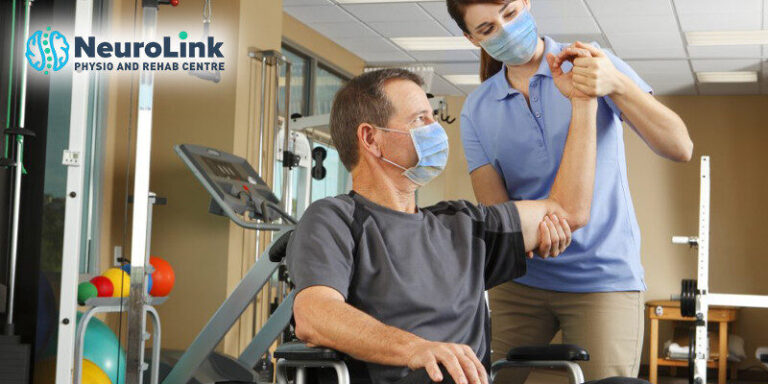
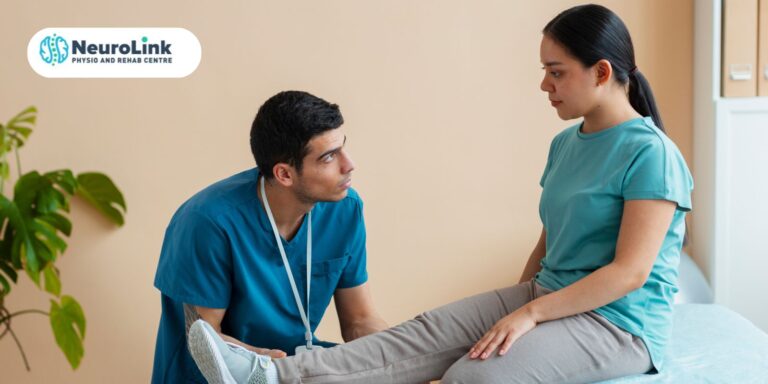
Physiotherapy is often an important part of stroke rehabilitation. It focuses on improving movement, balance, strength, coordination, and physical function.
Depending on the patient’s condition, a physiotherapy programme may include:
- Gentle range-of-motion exercises.
- Supported sitting and standing practice.
- Balance and posture training.
- Strengthening exercises for affected muscles.
- Walking practice with appropriate support.
- Functional movements such as reaching and transferring between surfaces.
For patients who cannot stand or walk independently, rehabilitation may begin with basic movements and gradually progress when appropriate.
A rehabilitation centre in gurugram can provide a supervised setting for practising these movements and monitoring the patient’s response to exercise.
The aim is to improve safe movement and help patients participate more actively in daily life.
3. Occupational Therapy for Daily Independence
Occupational therapy focuses on helping patients perform everyday activities as independently and safely as possible.
After a stroke, a patient may find it difficult to button a shirt, hold a spoon, brush their teeth, or use household objects. These challenges can affect their confidence and place additional responsibilities on family members.
Occupational therapy may include:
- Practising dressing and grooming.
- Improving hand and arm function.
- Learning safer ways to perform daily tasks.
- Practising the use of utensils and other everyday objects.
- Recommending assistive devices when suitable.
- Teaching techniques to manage fatigue and conserve energy.
The therapist may also recommend modifications at home, such as grab bars, suitable seating, or removing obstacles that increase the risk of falls.
A good rehabilitation centre in gurugram should consider not only the patient’s performance during therapy but also how they can use their skills at home and in the community.
4. Speech and Language Support
Some stroke survivors experience difficulty speaking, understanding language, reading, or writing. Others may have changes in the muscles needed for clear speech.
Speech and language therapy can help address communication difficulties through exercises and practical strategies suited to the patient’s needs.
Therapy may focus on:
- Finding and using words.
- Understanding spoken instructions.
- Improving speech clarity.
- Practising reading and writing.
- Using gestures or communication aids when needed.
For example, a patient who struggles to express basic needs may practise simple words, phrases, or alternative communication methods.
Swallowing difficulties also require attention. If a patient coughs while eating, has trouble swallowing, or shows other signs of swallowing problems, a qualified professional should assess them. A swallowing specialist may recommend appropriate strategies and food or drink modifications.
Communication and swallowing needs should be assessed individually rather than treated with a one-size-fits-all approach.
5. Balance and Coordination Training
Stroke can affect the brain’s ability to coordinate movement and maintain balance. As a result, patients may feel unsteady when sitting, standing, turning, or walking.
Balance training helps patients practise controlling their body during different activities.
Depending on their abilities, exercises may involve maintaining a stable sitting position, shifting weight safely, standing with support, reaching for objects, or practising controlled steps.
A rehabilitation centre in gurugram can help patients work on these skills under supervision, reducing avoidable risks during practice.
Balance training is particularly important for patients who have fallen before or feel afraid of walking independently. However, exercises must be adjusted to the patient’s strength, attention, and medical condition.
6. Cognitive Rehabilitation and Emotional Support
A stroke may affect more than physical movement. Some patients experience difficulty with attention, memory, planning, problem-solving, or understanding information.
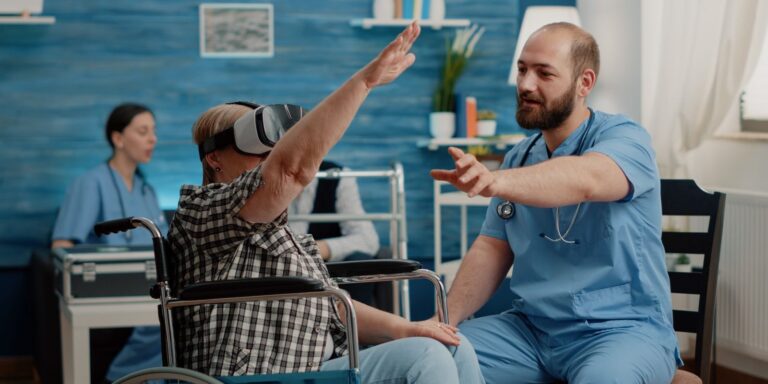
Cognitive rehabilitation may involve structured activities that help patients practise these skills. Therapists may also suggest routines, reminders, and practical strategies for completing everyday tasks.
Emotional health is equally important. Patients may feel discouraged when progress is slower than expected or when they need help with familiar activities.
Family encouragement, achievable goals, counselling when needed, and supportive communication can help patients manage these challenges.
A patient-centred rehabilitation centre in gurugram should recognise that emotional well-being and physical recovery are connected. Patients should be treated with dignity, patience, and respect throughout the process.
When Should a Stroke Patient Start Rehabilitation?
Rehabilitation planning often begins once the patient is medically stable. The timing, intensity, and type of therapy depend on the stroke’s severity, the patient’s health, and the treating medical team’s recommendations.
In many cases, suitable rehabilitation activities begin during the hospital stay. After discharge, the patient may continue with inpatient rehabilitation, outpatient sessions, or a home-based programme, depending on their needs.
Early rehabilitation does not mean forcing the patient to exercise intensely. Instead, it means starting appropriate activities at a safe time under professional guidance.
Families looking for a rehabilitation centre in gurugram should discuss the recommended start date, treatment intensity, and precautions with the patient’s doctor and rehabilitation team.
Patients should not begin demanding exercises independently, particularly if they have significant weakness, dizziness, swallowing problems, or other medical complications.
How Long Does Stroke Rehabilitation Take?
There is no single recovery timeline for every stroke survivor. Some patients make noticeable progress within weeks, while others need months or longer to work towards their goals.
Recovery depends on several factors, including:
- The location and severity of the stroke.
- The patient’s age and general health.
- The level of movement and communication difficulty.
- The presence of other medical conditions.
- The type and consistency of rehabilitation.
- Family support and the home environment.
Some patients regain many of their previous abilities, while others continue to need assistance with particular activities.
A reliable rehabilitation centre in gurugram should explain that progress differs between patients and help families establish realistic, measurable goals.
Rather than judging recovery only by how quickly a patient walks again, it is useful to notice smaller improvements, such as sitting more comfortably, using the affected hand more effectively, communicating needs, or completing a daily task with less assistance.
Regular reviews help identify progress and determine whether the rehabilitation plan needs adjustment.
What Is the Role of Family Members During Stroke Recovery?
Family support can make a meaningful difference in a patient’s rehabilitation journey. A supportive home environment helps patients practise the skills they learn during therapy.
However, caregivers also need proper guidance. Helping a stroke survivor incorrectly can increase the risk of falls, shoulder injuries, or other complications.
Here are some practical ways families can support recovery.
Encourage Safe Practice
Help the patient practise activities recommended by the rehabilitation team. Avoid forcing movements or attempting exercises that have not been approved.
Follow the Rehabilitation Plan
Consistency is important. Families should understand the prescribed exercises and follow the recommended schedule without overexerting the patient.
Make the Home Safer
Remove loose rugs, keep frequently used items within reach, improve lighting, and consider suitable bathroom support. Ask the rehabilitation team about additional modifications.
Support Emotional Well-Being
Be patient when the person struggles to speak or complete a task. Give them time to respond, celebrate small improvements, and involve them in decisions wherever possible.
Attend Follow-Up Appointments
Regular follow-ups help monitor the patient’s progress and address new concerns. Families should report changes in movement, pain, swallowing, mood, or general health.
A rehabilitation centre in gurugram can help caregivers understand these responsibilities and learn practical ways to support the patient safely.
How to Choose the Right Rehabilitation Centre in Gurugram for Stroke Recovery
Choosing a rehabilitation facility is an important decision because the quality and suitability of care can affect the patient’s rehabilitation experience.
Before selecting a rehabilitation centre in gurugram, consider the following factors.
1. Experience With Neurological Rehabilitation
Look for a centre that understands stroke-related challenges and provides rehabilitation appropriate to the patient’s functional needs.
Ask about the professionals involved, their qualifications, and their experience working with stroke survivors.
2. Individualised Treatment Plans
Every patient needs a different approach. Check whether the centre assesses patients individually and sets goals based on their abilities and medical condition.
3. Appropriate Therapy Services
Ask which services are available, such as physiotherapy, occupational therapy, speech and language therapy, and cognitive rehabilitation. Not every patient requires every service, so the programme should match the patient’s assessment.
4. Regular Progress Reviews
Rehabilitation should be reviewed regularly. Ask how progress is measured, how goals are updated, and how families are informed about changes in the plan.
5. Caregiver Guidance
A suitable centre should help families understand safe movement, daily care, home exercises, and ways to encourage independence.
6. Accessibility and Practical Arrangements
Consider the centre’s location, appointment timings, accessibility, session duration, and the patient’s ability to travel. Ask about inpatient or outpatient options if relevant.
7. Clear Communication
The rehabilitation team should explain the patient’s condition, expected challenges, treatment goals, and precautions in language the family can understand.
These questions can help families compare options and select a rehabilitation centre in gurugram that suits their needs, expectations, and available resources.
Why Consider NeuroLink Rehab Centre for Stroke Rehabilitation?
Stroke recovery often requires coordinated care, patient-specific goals, and regular practice. NeuroLink Rehab Centre focuses on rehabilitation support for individuals experiencing neurological and physical challenges.
For families exploring a rehabilitation centre in gurugram, NeuroLink Rehab Centre is an option to consider when discussing a suitable rehabilitation programme for a stroke survivor.
The rehabilitation journey may involve improving mobility, practising everyday activities, working towards greater independence, and helping caregivers understand the patient’s needs.
Before starting treatment, families should discuss the available services, the professionals involved, the recommended treatment frequency, and the patient’s individual goals with the centre.
It is also important to confirm which therapies are suitable for the patient after reviewing their medical condition and discharge recommendations.
The right rehabilitation plan should focus on meaningful improvements in everyday life rather than promising a fixed recovery time or guaranteed results.
Common Mistakes to Avoid During Stroke Recovery
Families naturally want to see their loved ones recover as quickly as possible. However, certain mistakes can make the rehabilitation journey more difficult.
Expecting immediate results: Stroke recovery takes time. Progress may be gradual, and patients can improve at different rates.
Comparing one patient with another: Each stroke affects the brain differently. Another person’s recovery timeline may not apply to your family member.
Stopping rehabilitation without advice: If progress appears slow, discuss concerns with the treating team before changing or stopping therapy.
Forcing exercises: Excessive effort or unsuitable exercises can increase discomfort and risk. Follow professional instructions.
Ignoring emotional changes: Anxiety, sadness, frustration, and withdrawal deserve attention. Seek professional support when needed.
Overlooking home safety: Even if a patient improves during therapy, the home environment may still present risks. Make recommended adjustments and continue supervision when necessary.
Choosing a suitable rehabilitation centre in gurugram and maintaining communication with the treating team can help families avoid common problems and make informed decisions throughout recovery.
Frequently Asked Questions About Stroke Rehabilitation
1. What does a rehabilitation centre in Gurugram do for stroke patients?
A rehabilitation centre in Gurugram helps stroke patients work on movement, balance, daily activities, communication, and other abilities affected by the stroke. The services depend on the patient’s assessment and may include physiotherapy, occupational therapy, speech and language therapy, and cognitive rehabilitation.
2. Is rehabilitation necessary after a mild stroke?
Rehabilitation may be helpful even after a mild stroke if the patient has weakness, balance problems, fatigue, communication difficulties, or other functional changes. A medical professional can determine whether therapy is needed and recommend suitable activities.
3. Can a stroke patient walk again after rehabilitation?
Some stroke patients regain their ability to walk, while others continue to need a walking aid or assistance. Outcomes depend on the severity of the stroke, existing health conditions, and individual progress. Rehabilitation can help patients practise walking and improve mobility when appropriate.
4. How often should a stroke patient attend rehabilitation?
The frequency depends on the patient’s condition, stamina, treatment goals, and medical advice. Some patients need frequent sessions, while others follow a different schedule. The rehabilitation team should recommend a suitable plan and review it regularly.
5. How can I find a suitable rehabilitation centre in Gurugram?
Look for a centre with appropriate neurological rehabilitation services, qualified professionals, individualised treatment plans, regular progress reviews, and caregiver guidance. Ask about available therapies and confirm whether they match your family member’s needs.
6. Does NeuroLink Rehab Centre support stroke recovery?
NeuroLink Rehab Centre is an option for families exploring rehabilitation support after a stroke. Contact the centre to confirm its current services, assessment process, treatment options, and suitability for the patient’s condition.
7. Can family members help with stroke rehabilitation at home?
Yes. Family members can support the patient’s prescribed exercises, encourage safe daily activities, maintain a safer home environment, and provide emotional support. They should learn safe techniques from the rehabilitation team and avoid attempting unapproved exercises.
8. Is complete recovery possible after a stroke?
Recovery varies widely. Some patients regain many of their previous abilities, while others experience lasting difficulties. Rehabilitation aims to improve function, support independence, and help patients achieve the best possible outcomes for their individual circumstances.What Is a Stroke and How Can It Affect the Body?
A stroke occurs when the blood supply to part of the brain is interrupted or when bleeding damages brain tissue. Brain cells need a continuous supply of oxygen and nutrients to function properly. When this supply is disrupted, some brain cells may become damaged.
The effects of a stroke depend on which part of the brain is affected and how severe the injury is. Some patients experience mild weakness, while others may need extensive support with movement, communication, memory, or daily activities.
Common difficulties after a stroke include:
- Weakness or paralysis: A patient may have difficulty moving one arm, one leg, or one side of the body.
- Walking difficulties: Balance problems, muscle weakness, and poor coordination can make walking unsafe.
- Speech and language problems: Some patients may struggle to speak clearly, understand words, read, or communicate their needs.
- Swallowing difficulties: Stroke can affect the muscles involved in swallowing, making eating and drinking challenging.
- Memory and concentration problems: Patients may find it difficult to remember information, focus, or complete tasks.
- Emotional changes: Frustration, anxiety, sadness, and changes in mood may occur during recovery.
A suitable rehabilitation centre in gurugram can assess these difficulties and help develop a plan based on the patient’s needs, abilities, and medical condition.
It is important to remember that rehabilitation does not guarantee complete recovery. Progress varies from person to person, and treatment should be guided by the patient’s medical team.
Why Is Rehabilitation Important After a Stroke?
Hospital treatment focuses on stabilising the patient and managing the immediate effects of a stroke. Once the patient’s medical condition allows, rehabilitation can help them practise the skills needed for everyday life.
Stroke recovery often requires patience, repetition, professional guidance, and family involvement. Without suitable rehabilitation, some patients may struggle to regain useful movement, manage daily tasks, or adapt to changes in their abilities.
A professional rehabilitation centre in gurugram can provide a structured environment where patients work towards realistic recovery goals.
The main benefits of stroke rehabilitation include:
1. Improving Body Movement
Stroke may affect the strength and control of muscles. Patients can experience stiffness, weakness, or difficulty moving their arms and legs.
Physiotherapy may include guided movements, stretching, strengthening exercises, balance training, and task-based activities. These exercises are selected according to the patient’s condition and ability.
2. Supporting Daily Activities
Activities such as bathing, dressing, eating, and using the toilet may become difficult after a stroke.
Rehabilitation can help patients practise these activities safely. Therapists may also suggest suitable techniques, equipment, or changes to the home environment to make everyday tasks easier.
3. Building Confidence
A stroke can affect a person’s confidence and independence. Patients may feel nervous about standing, walking, or trying activities that were previously easy.
Regular, supervised practice can help them become more comfortable with their abilities and work towards achievable goals.
4. Reducing the Risk of Complications
Limited movement after a stroke may increase the risk of problems such as joint stiffness, muscle shortening, pressure injuries, and falls.
A suitable rehabilitation programme can help manage these risks through positioning, movement, exercises, and caregiver education. The exact approach depends on the patient’s health and medical advice.
5. Helping Families Understand Recovery
Family members often play a major role in supporting stroke survivors. A rehabilitation team can guide caregivers on safe transfers, positioning, daily exercises, and ways to encourage independence without placing the patient at risk.
How Does a Rehabilitation Centre in Gurugram Support Stroke Recovery?
Every stroke patient has different needs. Some may require help with basic movements, while others may need support with speech, balance, memory, or daily routines.
A professional rehabilitation centre in gurugram can bring different aspects of recovery together through an organised rehabilitation plan.
Here are the key ways rehabilitation may support a stroke survivor.
1. Personalised Assessment and Recovery Planning
The first step is understanding how the stroke has affected the patient.
A rehabilitation assessment may examine muscle strength, movement, balance, coordination, communication, daily activities, and cognitive abilities. The team also considers the patient’s medical history, current limitations, and personal goals.
Based on the assessment, a suitable plan can be developed.
For example, one patient may need to focus on sitting balance and standing, while another may be ready to practise walking or using their affected hand.
At NeuroLink Rehab Centre, an individualised approach can help keep rehabilitation focused on the patient’s specific needs rather than following the same routine for everyone.
Regular assessments also help the team review progress and adjust the programme when necessary.
2. Physiotherapy for Strength and Mobility
Physiotherapy is often an important part of stroke rehabilitation. It focuses on improving movement, balance, strength, coordination, and physical function.
Depending on the patient’s condition, a physiotherapy programme may include:
- Gentle range-of-motion exercises.
- Supported sitting and standing practice.
- Balance and posture training.
- Strengthening exercises for affected muscles.
- Walking practice with appropriate support.
- Functional movements such as reaching and transferring between surfaces.
For patients who cannot stand or walk independently, rehabilitation may begin with basic movements and gradually progress when appropriate.
A rehabilitation centre in gurugram can provide a supervised setting for practising these movements and monitoring the patient’s response to exercise.
The aim is to improve safe movement and help patients participate more actively in daily life.
3. Occupational Therapy for Daily Independence
Occupational therapy focuses on helping patients perform everyday activities as independently and safely as possible.
After a stroke, a patient may find it difficult to button a shirt, hold a spoon, brush their teeth, or use household objects. These challenges can affect their confidence and place additional responsibilities on family members.
Occupational therapy may include:
- Practising dressing and grooming.
- Improving hand and arm function.
- Learning safer ways to perform daily tasks.
- Practising the use of utensils and other everyday objects.
- Recommending assistive devices when suitable.
- Teaching techniques to manage fatigue and conserve energy.
The therapist may also recommend modifications at home, such as grab bars, suitable seating, or removing obstacles that increase the risk of falls.
A good rehabilitation centre in gurugram should consider not only the patient’s performance during therapy but also how they can use their skills at home and in the community.
4. Speech and Language Support
Some stroke survivors experience difficulty speaking, understanding language, reading, or writing. Others may have changes in the muscles needed for clear speech.
Speech and language therapy can help address communication difficulties through exercises and practical strategies suited to the patient’s needs.
Therapy may focus on:
- Finding and using words.
- Understanding spoken instructions.
- Improving speech clarity.
- Practising reading and writing.
- Using gestures or communication aids when needed.
For example, a patient who struggles to express basic needs may practise simple words, phrases, or alternative communication methods.
Swallowing difficulties also require attention. If a patient coughs while eating, has trouble swallowing, or shows other signs of swallowing problems, a qualified professional should assess them. A swallowing specialist may recommend appropriate strategies and food or drink modifications.
Communication and swallowing needs should be assessed individually rather than treated with a one-size-fits-all approach.
5. Balance and Coordination Training
Stroke can affect the brain’s ability to coordinate movement and maintain balance. As a result, patients may feel unsteady when sitting, standing, turning, or walking.
Balance training helps patients practise controlling their body during different activities.
Depending on their abilities, exercises may involve maintaining a stable sitting position, shifting weight safely, standing with support, reaching for objects, or practising controlled steps.
A rehabilitation centre in gurugram can help patients work on these skills under supervision, reducing avoidable risks during practice.
Balance training is particularly important for patients who have fallen before or feel afraid of walking independently. However, exercises must be adjusted to the patient’s strength, attention, and medical condition.
6. Cognitive Rehabilitation and Emotional Support
A stroke may affect more than physical movement. Some patients experience difficulty with attention, memory, planning, problem-solving, or understanding information.
Cognitive rehabilitation may involve structured activities that help patients practise these skills. Therapists may also suggest routines, reminders, and practical strategies for completing everyday tasks.
Emotional health is equally important. Patients may feel discouraged when progress is slower than expected or when they need help with familiar activities.
Family encouragement, achievable goals, counselling when needed, and supportive communication can help patients manage these challenges.
A patient-centred rehabilitation centre in gurugram should recognise that emotional well-being and physical recovery are connected. Patients should be treated with dignity, patience, and respect throughout the process.
When Should a Stroke Patient Start Rehabilitation?
Rehabilitation planning often begins once the patient is medically stable. The timing, intensity, and type of therapy depend on the stroke’s severity, the patient’s health, and the treating medical team’s recommendations.
In many cases, suitable rehabilitation activities begin during the hospital stay. After discharge, the patient may continue with inpatient rehabilitation, outpatient sessions, or a home-based programme, depending on their needs.
Early rehabilitation does not mean forcing the patient to exercise intensely. Instead, it means starting appropriate activities at a safe time under professional guidance.
Families looking for a rehabilitation centre in gurugram should discuss the recommended start date, treatment intensity, and precautions with the patient’s doctor and rehabilitation team.
Patients should not begin demanding exercises independently, particularly if they have significant weakness, dizziness, swallowing problems, or other medical complications.
How Long Does Stroke Rehabilitation Take?
There is no single recovery timeline for every stroke survivor. Some patients make noticeable progress within weeks, while others need months or longer to work towards their goals.
Recovery depends on several factors, including:
- The location and severity of the stroke.
- The patient’s age and general health.
- The level of movement and communication difficulty.
- The presence of other medical conditions.
- The type and consistency of rehabilitation.
- Family support and the home environment.
Some patients regain many of their previous abilities, while others continue to need assistance with particular activities.
A reliable rehabilitation centre in gurugram should explain that progress differs between patients and help families establish realistic, measurable goals.
Rather than judging recovery only by how quickly a patient walks again, it is useful to notice smaller improvements, such as sitting more comfortably, using the affected hand more effectively, communicating needs, or completing a daily task with less assistance.
Regular reviews help identify progress and determine whether the rehabilitation plan needs adjustment.
What Is the Role of Family Members During Stroke Recovery?
Family support can make a meaningful difference in a patient’s rehabilitation journey. A supportive home environment helps patients practise the skills they learn during therapy.
However, caregivers also need proper guidance. Helping a stroke survivor incorrectly can increase the risk of falls, shoulder injuries, or other complications.
Here are some practical ways families can support recovery.
Encourage Safe Practice
Help the patient practise activities recommended by the rehabilitation team. Avoid forcing movements or attempting exercises that have not been approved.
Follow the Rehabilitation Plan
Consistency is important. Families should understand the prescribed exercises and follow the recommended schedule without overexerting the patient.
Make the Home Safer
Remove loose rugs, keep frequently used items within reach, improve lighting, and consider suitable bathroom support. Ask the rehabilitation team about additional modifications.
Support Emotional Well-Being
Be patient when the person struggles to speak or complete a task. Give them time to respond, celebrate small improvements, and involve them in decisions wherever possible.
Attend Follow-Up Appointments
Regular follow-ups help monitor the patient’s progress and address new concerns. Families should report changes in movement, pain, swallowing, mood, or general health.
A rehabilitation centre in gurugram can help caregivers understand these responsibilities and learn practical ways to support the patient safely.
How to Choose the Right Rehabilitation Centre in Gurugram for Stroke Recovery
Choosing a rehabilitation facility is an important decision because the quality and suitability of care can affect the patient’s rehabilitation experience.
Before selecting a rehabilitation centre in gurugram, consider the following factors.
1. Experience With Neurological Rehabilitation
Look for a centre that understands stroke-related challenges and provides rehabilitation appropriate to the patient’s functional needs.
Ask about the professionals involved, their qualifications, and their experience working with stroke survivors.
2. Individualised Treatment Plans
Every patient needs a different approach. Check whether the centre assesses patients individually and sets goals based on their abilities and medical condition.
3. Appropriate Therapy Services
Ask which services are available, such as physiotherapy, occupational therapy, speech and language therapy, and cognitive rehabilitation. Not every patient requires every service, so the programme should match the patient’s assessment.
4. Regular Progress Reviews
Rehabilitation should be reviewed regularly. Ask how progress is measured, how goals are updated, and how families are informed about changes in the plan.
5. Caregiver Guidance
A suitable centre should help families understand safe movement, daily care, home exercises, and ways to encourage independence.
6. Accessibility and Practical Arrangements
Consider the centre’s location, appointment timings, accessibility, session duration, and the patient’s ability to travel. Ask about inpatient or outpatient options if relevant.
7. Clear Communication
The rehabilitation team should explain the patient’s condition, expected challenges, treatment goals, and precautions in language the family can understand.
These questions can help families compare options and select a rehabilitation centre in gurugram that suits their needs, expectations, and available resources.
Why Consider NeuroLink Rehab Centre for Stroke Rehabilitation?
Stroke recovery often requires coordinated care, patient-specific goals, and regular practice. NeuroLink Rehab Centre focuses on rehabilitation support for individuals experiencing neurological and physical challenges.
For families exploring a rehabilitation centre in gurugram, NeuroLink Rehab Centre is an option to consider when discussing a suitable rehabilitation programme for a stroke survivor.
The rehabilitation journey may involve improving mobility, practising everyday activities, working towards greater independence, and helping caregivers understand the patient’s needs.
Before starting treatment, families should discuss the available services, the professionals involved, the recommended treatment frequency, and the patient’s individual goals with the centre.
It is also important to confirm which therapies are suitable for the patient after reviewing their medical condition and discharge recommendations.
The right rehabilitation plan should focus on meaningful improvements in everyday life rather than promising a fixed recovery time or guaranteed results.
Common Mistakes to Avoid During Stroke Recovery
Families naturally want to see their loved ones recover as quickly as possible. However, certain mistakes can make the rehabilitation journey more difficult.
Expecting immediate results: Stroke recovery takes time. Progress may be gradual, and patients can improve at different rates.
Comparing one patient with another: Each stroke affects the brain differently. Another person’s recovery timeline may not apply to your family member.
Stopping rehabilitation without advice: If progress appears slow, discuss concerns with the treating team before changing or stopping therapy.
Forcing exercises: Excessive effort or unsuitable exercises can increase discomfort and risk. Follow professional instructions.
Ignoring emotional changes: Anxiety, sadness, frustration, and withdrawal deserve attention. Seek professional support when needed.
Overlooking home safety: Even if a patient improves during therapy, the home environment may still present risks. Make recommended adjustments and continue supervision when necessary.
Choosing a suitable rehabilitation centre in gurugram and maintaining communication with the treating team can help families avoid common problems and make informed decisions throughout recovery.
Frequently Asked Questions About Stroke Rehabilitation
1. What does a rehabilitation centre in Gurugram do for stroke patients?
A rehabilitation centre in Gurugram helps stroke patients work on movement, balance, daily activities, communication, and other abilities affected by the stroke. The services depend on the patient’s assessment and may include physiotherapy, occupational therapy, speech and language therapy, and cognitive rehabilitation.
2. Is rehabilitation necessary after a mild stroke?
Rehabilitation may be helpful even after a mild stroke if the patient has weakness, balance problems, fatigue, communication difficulties, or other functional changes. A medical professional can determine whether therapy is needed and recommend suitable activities.
3. Can a stroke patient walk again after rehabilitation?
Some stroke patients regain their ability to walk, while others continue to need a walking aid or assistance. Outcomes depend on the severity of the stroke, existing health conditions, and individual progress. Rehabilitation can help patients practise walking and improve mobility when appropriate.
4. How often should a stroke patient attend rehabilitation?
The frequency depends on the patient’s condition, stamina, treatment goals, and medical advice. Some patients need frequent sessions, while others follow a different schedule. The rehabilitation team should recommend a suitable plan and review it regularly.
5. How can I find a suitable rehabilitation centre in Gurugram?
Look for a centre with appropriate neurological rehabilitation services, qualified professionals, individualised treatment plans, regular progress reviews, and caregiver guidance. Ask about available therapies and confirm whether they match your family member’s needs.
6. Does NeuroLink Rehab Centre support stroke recovery?
NeuroLink Rehab Centre is an option for families exploring rehabilitation support after a stroke. Contact the centre to confirm its current services, assessment process, treatment options, and suitability for the patient’s condition.
7. Can family members help with stroke rehabilitation at home?
Yes. Family members can support the patient’s prescribed exercises, encourage safe daily activities, maintain a safer home environment, and provide emotional support. They should learn safe techniques from the rehabilitation team and avoid attempting unapproved exercises.
8. Is complete recovery possible after a stroke?
Recovery varies widely. Some patients regain many of their previous abilities, while others experience lasting difficulties. Rehabilitation aims to improve function, support independence, and help patients achieve the best possible outcomes for their individual circumstances.
Stay Connected With NeuroLink Rehab
For professional physiotherapy and rehabilitation support, get in touch with us today.
📞 Contact Us: 97 0303 0405
🌐 Explore Our Services:
https://neurolinkrehab.com/services/
📱 Follow Us on Instagram:
https://www.instagram.com/neurolink.hyd
📘 Follow Us on Facebook:
https://www.facebook.com/neurolinkrehab
NeuroLink Rehab — Supporting Better Recovery, Mobility & Independence.