Recovering from a stroke, paralysis, spinal cord injury, or other physical condition can be challenging for patients and their families. Choosing the right rehabilitation centre in Gurugram can provide access to guided exercises, professional supervision, and personalised rehabilitation support to help patients work towards greater independence and an improved quality of life.
If you are searching for a rehabilitation centre in gurugram, it is important to understand the services available before making a decision. A good rehabilitation centre does more than provide basic physiotherapy. It focuses on improving movement, strength, balance, daily living skills, and overall quality of life according to each patient’s needs.
NeuroLink Rehab Centre is a rehabilitation facility in Gurugram that focuses on rehabilitation services for individuals who need support after neurological injuries and other conditions affecting movement and everyday activities. Understanding the services offered by a rehabilitation centre can help families make informed decisions about their loved one’s recovery.
1. Comprehensive Physiotherapy Services
Physiotherapy is one of the most important services to look for when choosing a rehabilitation centre in gurugram. It helps patients improve movement, muscle strength, flexibility, coordination, and balance.
After an injury, surgery, stroke, or prolonged illness, some patients may experience muscle weakness, stiffness, difficulty walking, or reduced physical activity. Physiotherapy helps address these challenges through planned exercises and guided movement.
Common physiotherapy services include:
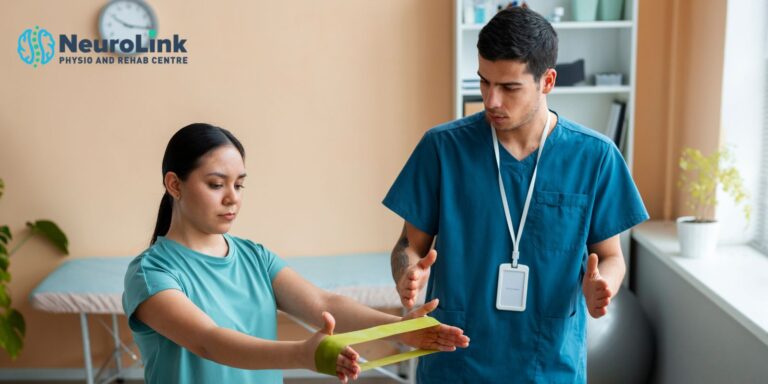
- Strengthening exercises: Help improve muscle strength and support better movement.
- Range-of-motion exercises: Help maintain or improve the movement of joints.
- Balance training: Supports safer standing, turning, and movement.
- Walking practice: Helps suitable patients work towards better walking ability.
- Mobility training: Teaches patients safer ways to move and change positions.
- Posture training: Helps improve body alignment and movement control.
At NeuroLink Rehab Centre, patients and families can discuss rehabilitation needs with the clinical team to understand which physiotherapy approaches may be suitable.
The treatment plan should be based on the patient’s condition, physical abilities, medical history, and recovery goals. Exercises should be guided by qualified professionals rather than attempted without appropriate advice.
2. Stroke Rehabilitation and Recovery Support
A stroke can affect different parts of the brain and may lead to weakness, difficulty walking, problems with balance, or challenges with everyday activities. Some people may also experience difficulties with speech, memory, or coordination.
A rehabilitation centre in gurugram that provides stroke rehabilitation can help patients work on the abilities affected by a stroke.
Stroke rehabilitation may include:
- Exercises to improve movement in the arms and legs.
- Training to improve sitting, standing, and balance.
- Walking and mobility practice.
- Exercises to improve coordination.
- Training for everyday activities such as dressing and eating.
- Support for adapting to physical limitations.
The rehabilitation process depends on the severity of the stroke, the patient’s medical condition, and the abilities affected. Some patients may require intensive rehabilitation, while others may need ongoing support to improve specific skills.
Early rehabilitation, when medically appropriate, can be an important part of stroke care. The treating medical team should guide when rehabilitation can begin and which activities are safe.
At NeuroLink Rehab Centre, families looking for stroke recovery support should discuss the patient’s current abilities, rehabilitation goals, required supervision, and the type of therapy recommended for their condition.
3. Paralysis Rehabilitation
Paralysis can affect a person’s ability to move one or more parts of the body. It may result from a stroke, spinal cord injury, neurological condition, or another medical problem.
For patients living with paralysis, a rehabilitation centre in gurugram should offer an individualised plan focused on movement, positioning, mobility, and daily functioning.
Depending on the patient’s condition, rehabilitation may involve:
- Guided movement and strengthening exercises.
- Joint mobility exercises to help reduce stiffness.
- Positioning techniques to support comfort and prevent complications.
- Sitting balance and transfer training.
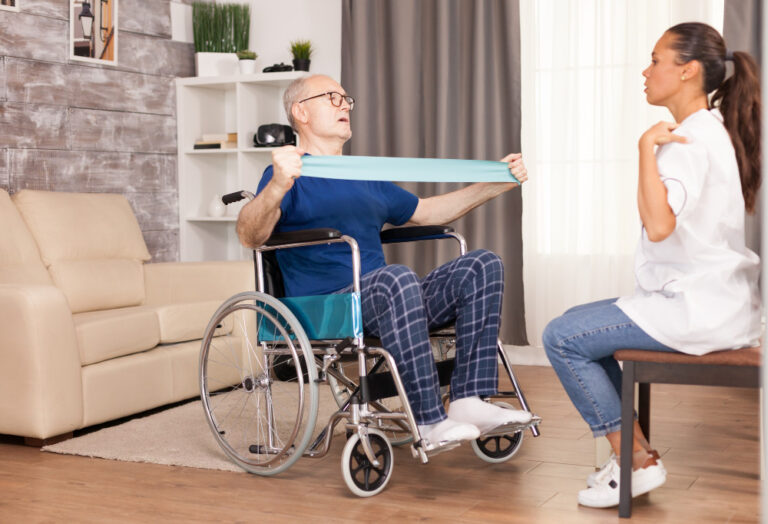
- Wheelchair mobility training when needed.
- Practice with daily activities.
- Caregiver education for safe assistance at home.
It is important to understand that paralysis affects every patient differently. Some patients may regain certain movements, while others may need long-term support and adaptive equipment.
Rehabilitation does not guarantee complete recovery. However, an appropriate programme can help patients work towards their individual goals, maintain existing abilities, and improve their participation in daily life.
NeuroLink Rehab Centre can be considered by families exploring rehabilitation support for paralysis. Before starting treatment, ask about the assessment process, therapy options, supervision, and how progress will be reviewed.
4. Spinal Cord Injury Rehabilitation
A spinal cord injury can affect movement, sensation, balance, and other body functions. The impact depends on the location and severity of the injury.
Patients may need support with transfers, sitting balance, wheelchair use, personal care, and adapting to changes in their physical abilities.
When choosing a rehabilitation centre in gurugram for spinal cord injury care, ask whether the facility can address the patient’s specific rehabilitation needs.
Spinal cord injury rehabilitation may involve:
- Mobility and positioning training.
- Exercises to maintain joint flexibility.
- Strengthening exercises for muscles that can be used safely.
- Sitting balance and transfer practice.
- Wheelchair skills and mobility education.
- Training for everyday activities.
- Guidance for family members and caregivers.
Some patients may also require support with pressure injury prevention, bladder and bowel management, or other complications related to their injury. These needs should be handled by appropriately qualified healthcare professionals.
A coordinated approach is especially important because spinal cord injuries can affect more than movement alone.
At NeuroLink Rehab Centre, families should discuss the nature of the injury, medical stability, equipment requirements, and the level of support needed to determine whether the available rehabilitation services are appropriate.
5. Neurological Rehabilitation
Neurological conditions can affect the brain, spinal cord, or nerves. Depending on the condition, patients may experience muscle weakness, poor coordination, balance difficulties, stiffness, or reduced independence.
Neurological rehabilitation focuses on helping patients improve their functional abilities and manage difficulties related to their condition.
A rehabilitation centre in gurugram offering neurological rehabilitation may support patients with conditions such as:
- Stroke-related movement difficulties.
- Paralysis associated with neurological conditions.
- Spinal cord injuries.
- Selected movement and coordination disorders.
- Other neurological conditions affecting daily activities.
The treatment plan may include movement practice, balance exercises, coordination training, mobility work, and task-based activities.
For example, a patient who struggles to stand safely may practise sitting balance and supported standing under professional supervision. Someone who has difficulty using an arm may work on controlled movements and activities suited to their abilities.
Neurological rehabilitation often requires patience and regular practice. Progress can be gradual, and the goals may change as the patient’s abilities improve.
At NeuroLink Rehab Centre, it is useful to ask how the team evaluates neurological difficulties and adapts treatment according to the patient’s progress.
6. Occupational Therapy for Daily Activities
Recovery is not only about walking or improving muscle strength. Patients also need to perform everyday activities as safely and independently as possible.
Occupational therapy focuses on helping people participate in daily tasks. Depending on the patient’s needs and the services available, this may include activities such as dressing, grooming, eating, writing, or using household objects.
When considering a rehabilitation centre in gurugram, ask whether occupational therapy is available or whether referrals can be arranged when required.
Occupational therapy may help patients with:
- Practising personal care activities.
- Improving hand and arm function.
- Developing coordination for everyday tasks.
- Learning alternative ways to complete activities.
- Understanding the use of adaptive equipment.
- Making daily routines more manageable.
For example, a patient with reduced hand movement may practise handling objects of different sizes under a therapist’s guidance. A person who has difficulty dressing may learn techniques that reduce the need for assistance.
The goal is to help patients perform meaningful activities according to their abilities and safety needs.
Before starting, confirm which occupational therapy services the centre actually provides and whether they are suitable for the patient’s condition.
7. Gait Training and Balance Improvement
Walking difficulties are common after a stroke, injury, surgery, or certain neurological conditions. Patients may feel unsteady, have difficulty lifting their feet, or require support while standing.
Gait training focuses on improving walking patterns, while balance training helps patients develop better control during standing and movement.
A rehabilitation centre in gurugram may include the following activities in a suitable rehabilitation programme:
- Practising standing with appropriate support.
- Improving weight shifting between the legs.
- Working on step movements.
- Practising safe turning and direction changes.
- Improving coordination during walking.
- Learning to use prescribed walking aids.
The exact exercises depend on the patient’s strength, balance, medical condition, and risk of falling.
For some patients, walking may begin with supported standing or assisted stepping. Others may be ready for more advanced walking practice.
The aim is not simply to help someone walk faster. It is also to improve safety, confidence, and the ability to move in everyday environments.
At NeuroLink Rehab Centre, families should ask how walking ability is assessed, what support is provided during exercises, and how progress is monitored.
8. Inpatient and Outpatient Rehabilitation
Rehabilitation needs differ from person to person. Some patients may benefit from staying at a facility for a period of supervised care, while others may be able to attend scheduled therapy sessions and return home.
A rehabilitation centre in gurugram may offer inpatient and outpatient services, depending on its facilities and care model.
Inpatient rehabilitation
Inpatient rehabilitation involves staying at a facility while receiving rehabilitation and related care. It may be considered when patients need frequent supervision, structured therapy, or assistance with daily activities.
Before choosing inpatient care, families should confirm accommodation arrangements, nursing support, medical supervision, therapy schedules, and the availability of services required by the patient.
Outpatient rehabilitation
Outpatient rehabilitation allows patients to attend therapy sessions without staying overnight.
It may suit individuals who are medically stable, can travel safely, and have appropriate support at home.
Outpatient care can include scheduled physiotherapy sessions, mobility exercises, progress assessments, and guidance for home practice.
NeuroLink Rehab Centre offers inpatient and outpatient rehabilitation services. Families should contact the centre to understand which option is suitable, what each service includes, and whether the patient’s specific care requirements can be met.
9. Personalised Rehabilitation Plans
Every patient has different needs, abilities, and recovery goals. A treatment programme that works for one person may not be suitable for another.
This is why a rehabilitation centre in gurugram should begin with an assessment and develop a plan based on the patient’s condition.
A personalised rehabilitation plan may consider:
- The patient’s diagnosis and medical history.
- Current movement and functional abilities.
- Pain, stiffness, or balance problems.
- Ability to perform daily activities.
- Safety risks and need for assistance.
- Personal goals and family concerns.
For example, one patient may want to improve their ability to walk around the home. Another may want to use their hands more effectively or become more independent with personal care.
The rehabilitation team should explain the goals, recommended activities, expected challenges, and how progress will be assessed.
Treatment plans may need adjustments as the patient improves or develops new needs.
At NeuroLink Rehab Centre, families can ask how assessments are conducted, how frequently goals are reviewed, and how they will be informed about progress.
10. Caregiver Education and Family Support
Rehabilitation does not end when a therapy session finishes. Family members often play an important role in supporting patients at home.
However, helping someone with limited mobility can be challenging without the right guidance. Incorrect lifting techniques, unsafe transfers, or poorly planned home exercises may increase the risk of injury.
A rehabilitation centre in gurugram should recognise the importance of educating caregivers and involving families in the recovery process when appropriate.
Caregiver guidance may include:
- Helping patients change positions safely.
- Understanding safe transfer techniques.
- Supporting prescribed home exercises.
- Recognising signs of discomfort or fatigue.
- Maintaining a suitable daily routine.
- Reducing the risk of falls.
- Understanding when medical advice is needed.
For example, a family member may need guidance on helping a patient move from a bed to a wheelchair. A therapist can demonstrate appropriate techniques based on the patient’s condition and equipment.
Caregiver education can also help families understand that recovery may take time and that patients may need different levels of support at different stages.
At NeuroLink Rehab Centre, ask whether family training and home-care guidance are included in the rehabilitation programme.
11. Support for Independence and Everyday Living
One of the main goals of rehabilitation is to help patients participate in everyday life as safely and independently as possible.
This may involve learning new ways to complete tasks, using mobility aids, improving coordination, or adapting the home environment.
A rehabilitation centre in gurugram should consider the patient’s daily routine rather than focusing only on exercises performed during therapy sessions.
Depending on the patient’s needs, rehabilitation goals may include:
- Moving around the home more safely.
- Sitting and standing with appropriate support.
- Using prescribed walking aids or a wheelchair.
- Performing personal care tasks.
- Improving the ability to handle everyday objects.
- Returning to suitable social or work activities.
- Reducing reliance on assistance where possible.
Not every patient will achieve complete independence. For some individuals, maintaining current abilities and preventing complications may be equally important goals.
A realistic rehabilitation plan should focus on measurable improvements that matter to the patient and their family.
NeuroLink Rehab Centre can be approached to discuss the patient’s functional goals and the type of rehabilitation support that may be appropriate.
12. Progress Monitoring and Ongoing Guidance
Rehabilitation is a process that develops over time. Patients may improve at different rates, and some may experience periods when progress is slower than expected.
Regular assessment helps the rehabilitation team understand whether the current plan is meeting the patient’s needs.
When selecting a rehabilitation centre in gurugram, ask how progress is monitored and communicated.
Progress monitoring may involve reviewing:
- Changes in muscle strength.
- Joint movement and flexibility.
- Sitting, standing, and walking ability.
- Balance and coordination.
- Performance of daily activities.
- Need for assistance during movement.
- Achievement of agreed rehabilitation goals.
The team may adjust exercises, increase or reduce the level of support, or recommend additional assessments when necessary.
It is also important for families to understand that recovery cannot be predicted using a single timeline. The type of condition, severity, medical complications, age, and consistency of rehabilitation can all influence progress.
A good rehabilitation plan should include realistic expectations, clear communication, and appropriate follow-up.
13. How to Choose the Right Rehabilitation Centre in Gurugram
Finding a suitable centre requires more than comparing prices or choosing the nearest facility. Families should consider the patient’s medical needs, the available services, the qualifications of the team, and the level of support required.
Here are some practical points to check before making a decision.
Check the range of services
Confirm whether the centre provides the services required for the patient’s condition, such as neurological rehabilitation, stroke rehabilitation, paralysis rehabilitation, spinal cord injury care, or physiotherapy.
Ask about professional qualifications
Find out whether the rehabilitation team includes appropriately qualified physiotherapists and other healthcare professionals required for the patient’s treatment.
Understand the assessment process
Ask how the centre evaluates patients before recommending a treatment programme and how individual goals are established.
Confirm the care arrangements
If the patient requires inpatient care, check accommodation, supervision, nursing support, and access to medical assistance. For outpatient care, consider travel, appointment schedules, and home support.
Discuss safety and equipment
Ask about fall-prevention measures, mobility aids, transfer support, and the equipment available for the recommended therapy.
Understand the costs
Request a clear explanation of assessment fees, therapy charges, accommodation costs if applicable, and any additional expenses.
Look for clear communication
The team should explain the treatment plan in language that patients and families can understand. You should feel comfortable asking questions about progress, safety, and next steps.
By checking these factors, families can make a more informed choice when searching for a rehabilitation centre in gurugram.
14. Why Consider NeuroLink Rehab Centre in Gurugram?
Choosing a rehabilitation facility is an important decision, particularly when a loved one is recovering from a serious injury or neurological condition.
NeuroLink Rehab Centre in Gurugram focuses on rehabilitation support for patients dealing with conditions that affect movement, mobility, and everyday functioning.
When exploring NeuroLink Rehab Centre, patients and caregivers can enquire about the services relevant to their needs, including stroke and paralysis rehabilitation, spinal cord injury rehabilitation, physiotherapy, and inpatient or outpatient care.
Before beginning a programme, discuss the patient’s diagnosis, medical stability, functional limitations, and treatment goals with the centre’s team. Ask for clear information about available therapies, the professionals involved, the proposed schedule, and the process for monitoring progress.
The most suitable rehabilitation plan is one that matches the patient’s needs, prioritises safety, and supports realistic goals.
Every recovery journey is different. Having access to appropriate rehabilitation guidance can help patients and families better understand their options and prepare for the next steps.
Frequently Asked Questions (FAQs)
1. What services does a rehabilitation centre in Gurugram provide?
A rehabilitation centre may provide physiotherapy, stroke rehabilitation, paralysis rehabilitation, spinal cord injury rehabilitation, neurological rehabilitation, gait training, balance exercises, and support for daily activities. Services vary by facility, so confirm which treatments are available for your condition.
2. How do I choose the best rehabilitation centre in Gurugram?
Look for qualified professionals, an appropriate range of rehabilitation services, individualised treatment plans, suitable facilities, clear communication, and regular progress assessments. Also check the level of supervision and care available.
3. Does NeuroLink Rehab Centre provide stroke rehabilitation?
NeuroLink Rehab Centre focuses on rehabilitation services for patients with neurological and movement-related difficulties. Contact the centre directly to confirm the stroke rehabilitation services available and whether they are suitable for the patient’s needs.
4. Can rehabilitation help patients with paralysis?
Rehabilitation can help suitable patients work on movement, joint flexibility, positioning, mobility, and daily activities. The results depend on the cause and severity of paralysis, the patient’s medical condition, and their individual rehabilitation goals.
5. How long does rehabilitation take?
The duration depends on the patient’s diagnosis, severity of the condition, medical stability, functional abilities, and progress. Some people need short-term therapy, while others require longer-term or ongoing rehabilitation support.
6. Is inpatient rehabilitation better than outpatient rehabilitation?
Neither option is automatically better for everyone. Inpatient care may suit patients who need greater supervision and structured support, while outpatient care may work for medically stable patients who can travel safely and have suitable support at home. The choice should be based on clinical needs.
7. When should rehabilitation begin after a stroke or injury?
The timing depends on the condition and medical stability. Rehabilitation may begin when the treating medical team considers it safe. Patients should follow professional guidance rather than starting exercises independently.
8. Can family members participate in rehabilitation?
Yes. Family members can often support recovery by learning safe assistance techniques, helping with prescribed home exercises, improving home safety, and encouraging appropriate daily activities. Their involvement should be guided by the rehabilitation team.
Stay Connected With NeuroLink Rehab
For professional physiotherapy and rehabilitation support, get in touch with us today.
📞 Contact Us: 97 0303 0405
🌐 Explore Our Services:
https://neurolinkrehab.com/services/
📱 Follow Us on Instagram:
https://www.instagram.com/neurolink.hyd
📘 Follow Us on Facebook:
https://www.facebook.com/neurolinkrehab
NeuroLink Rehab — Supporting Better Recovery, Mobility & Independence.