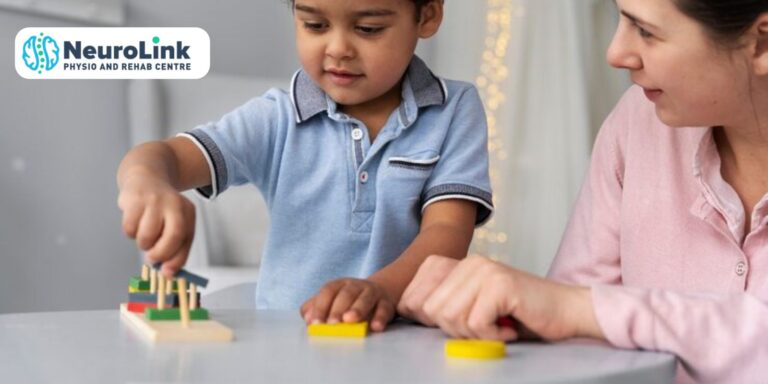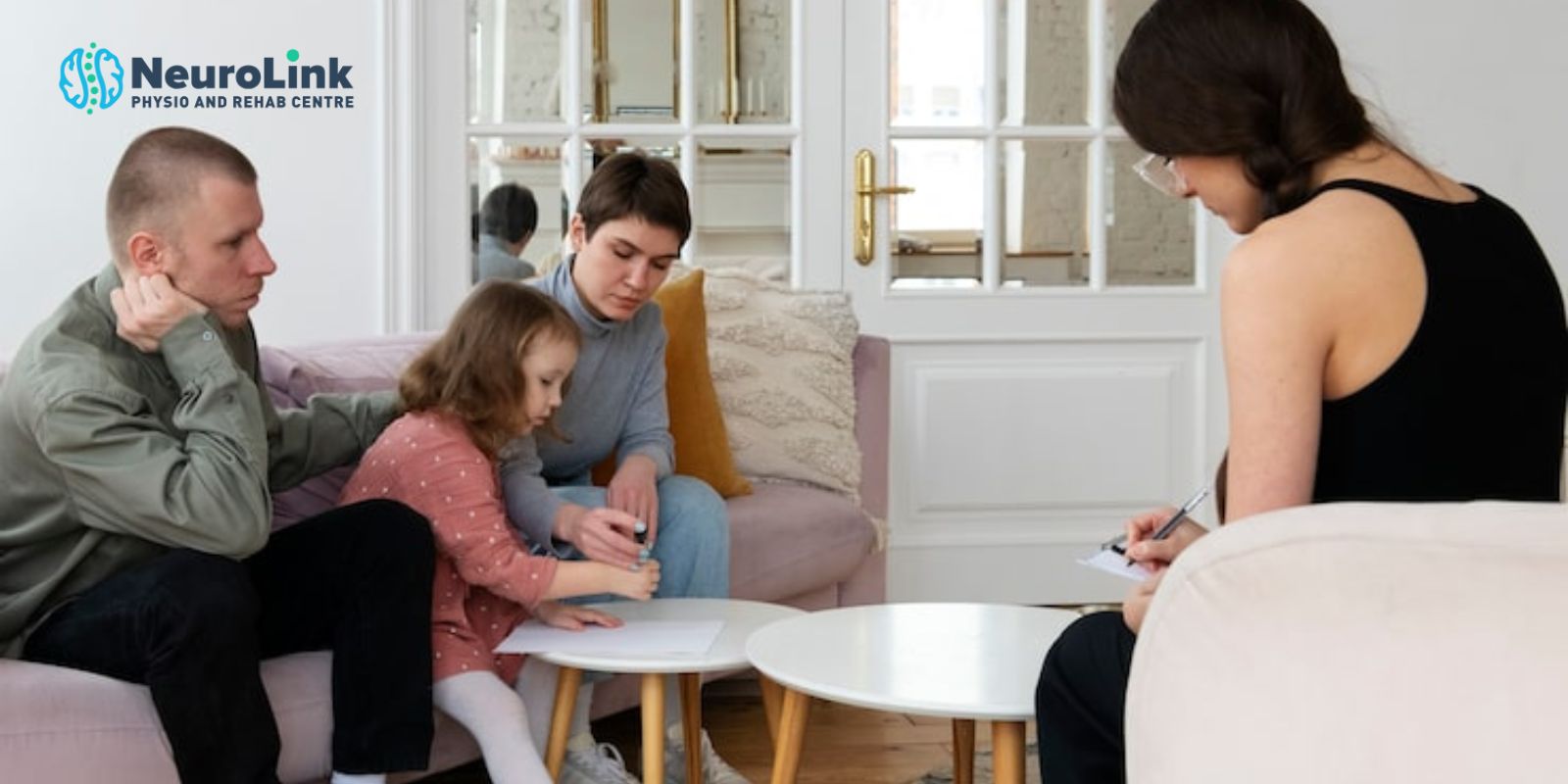
Every child develops at their own pace. Some children start speaking early, while others take more time to express their thoughts. Similarly, some children easily make friends and participate in group activities, while others may find social interactions challenging. If you are searching for a rehabilitation centre in Gurugram, understanding your child’s communication and social development needs is an important first step towards finding the right support and helping them build confidence in everyday interactions.
When parents notice that their child has difficulty communicating, understanding social situations, expressing emotions, or interacting with others, it is natural to feel concerned. Parents may wonder whether their child needs additional support or professional guidance.
Understanding these challenges early can help parents make informed decisions. A trusted rehabilitation centre in Gurugram can help families understand their child’s developmental needs and explore suitable therapies and support programs.
At NeuroLink Rehab Centre, parents can explore developmental support and rehabilitation services that focus on communication, social interaction, learning, and everyday skills.
Understanding Communication and Social Skill Difficulties in Children
Communication is more than speaking words. It includes understanding language, expressing thoughts, using gestures, listening, responding, and sharing information with others.
Social skills help children interact with people around them. These skills include making eye contact when comfortable, taking turns, understanding emotions, sharing interests, playing with other children, and responding appropriately in different situations.
Children may experience difficulties with one or more of these skills.
For example, a child may:
- Speak very few words compared with expected developmental milestones.
- Find it difficult to express needs or feelings.
- Have trouble understanding simple instructions.
- Rarely initiate conversations or interactions.
- Find group activities or cooperative play challenging.
- Struggle to understand facial expressions or social cues.
- Repeat words or phrases without using them meaningfully.
- Become frustrated when others do not understand them.
These difficulties can have different causes. Some children may have speech or language delays, while others may experience broader developmental differences.
A rehabilitation centre in Gurugram can help parents understand whether their child may benefit from speech therapy, occupational therapy, developmental support, or other appropriate interventions.
It is important to remember that every child is different. A child’s developmental needs should be understood through individual assessment rather than assumptions or comparisons with other children.
Why Early Attention to Communication Difficulties Matters
Communication plays an important role in a child’s learning, emotional development, and relationships.
When children cannot easily express what they want, they may become frustrated. They might cry, withdraw, or use gestures and behaviours to communicate their needs.
Difficulty understanding others can also affect participation in classroom activities, friendships, and family interactions.
Seeking guidance from a rehabilitation centre in Gurugram can help parents identify areas where their child needs support.
Early attention does not mean that parents should panic when a child develops differently. Instead, it means observing developmental patterns and seeking professional advice when concerns arise.
Early intervention may help children develop useful skills and give parents practical strategies to support their progress.
Parents should consider discussing their concerns with a qualified pediatrician or developmental specialist if their child:
- Does not respond consistently to their name.
- Has difficulty understanding or following age-appropriate instructions.
- Shows limited interest in interacting with others.
- Experiences persistent difficulty expressing needs.
- Has lost previously acquired communication or social skills.
- Shows significant challenges with everyday activities.
A rehabilitation centre in Gurugram may be an important part of a child’s support journey when professional evaluation indicates that therapy is appropriate.
Common Reasons Children May Experience Communication and Social Challenges
Communication and social difficulties can occur for several reasons. Understanding the possible factors helps parents approach their child with patience and empathy.
1. Speech and Language Developmental Delays
Some children may understand language but struggle to express themselves using words and sentences.
Others may have difficulty understanding spoken language, following directions, or learning new vocabulary.
Speech and language therapy may help children improve their communication abilities through structured, individualized activities.
A rehabilitation centre in Gurugram offering appropriate speech and language support can help families understand their child’s needs and available therapy options.
2. Autism Spectrum Differences
Some children experience differences in social communication, interaction, behaviour, and sensory processing.
They may prefer predictable routines, find certain social situations difficult, or communicate differently from other children.
Autism is a developmental condition, not a result of poor parenting. Children with autism have individual strengths, preferences, and support needs.
A rehabilitation centre in Gurugram can support families in exploring appropriate developmental therapies and practical strategies for everyday life.
3. Hearing Difficulties
Hearing plays an important role in learning speech and understanding language.
If a child does not respond consistently to sounds or spoken instructions, parents should consider discussing hearing assessment with a healthcare professional.
Hearing difficulties can sometimes affect speech development, so appropriate evaluation is important.
4. Limited Opportunities for Interaction
Children learn communication and social skills through everyday interactions.
When opportunities for conversation, play, and shared activities are limited, children may have fewer chances to practise these skills.
However, limited interaction alone does not explain every developmental concern.
A rehabilitation centre in Gurugram can help parents understand their child’s individual developmental profile and identify suitable ways to encourage interaction.
5. Developmental or Learning Differences
Some children may experience difficulties with attention, sensory processing, learning, or emotional regulation.
These differences can influence how they communicate and participate in social activities.
Professional assessment can help identify the areas where additional support may be useful.
What Parents Can Do at Home to Support Communication
Parents are among the most important people in a child’s developmental journey.
Small, consistent activities at home can create meaningful opportunities for children to communicate, practise social skills, and build confidence.
The goal is not to force a child to speak or interact in a particular way. Instead, parents can create supportive situations where communication feels comfortable and rewarding.
1. Talk to Your Child Throughout the Day
Everyday activities offer opportunities to introduce language.
Talk about what you are doing while preparing meals, getting dressed, playing, or going for a walk.
For example:
- “We are putting on your shoes.”
- “Look, the bus is moving.”
- “Would you like an apple or a banana?”
- “Let’s put the blocks together.”
Use simple, clear sentences that match your child’s understanding.
Parents visiting a rehabilitation centre in Gurugram may also ask therapists for language activities that can be practised during daily routines.
2. Give Your Child Enough Time to Respond
Some children need additional time to understand a question and prepare a response.
Avoid asking several questions quickly.
Instead, ask one simple question and pause.
For example, after asking, “What do you want to play?” give your child time to respond using words, gestures, pictures, or another communication method.
Accepting different forms of communication can reduce frustration and encourage interaction.
3. Follow Your Child’s Interests
Children often communicate more comfortably when activities involve something they enjoy.
If your child likes cars, animals, puzzles, or music, use those interests to encourage interaction.
You can describe the activity, introduce new words, or take turns playing.
For example, while playing with toy cars, say:
- “The red car is moving.”
- “Your car is fast.”
- “Let’s make a road.”
- “My turn, then your turn.”
A rehabilitation centre in Gurugram may suggest similar play-based activities based on your child’s interests and developmental goals.
4. Encourage Communication Without Pressure
Children should not feel that they must speak perfectly before their needs are understood.
If your child points to a toy, acknowledge the request and model the word.
For example, if the child points to a ball, you can say, “You want the ball.”
Avoid repeatedly demanding that the child say the word before receiving the item.
A supportive environment can encourage children to communicate in ways that feel achievable.
5. Use Books, Pictures, and Visual Supports
Picture books and visual materials can help children understand words and concepts.
Parents can:
- Read simple picture books together.
- Point to familiar objects.
- Name animals, colours, and everyday items.
- Encourage the child to turn pages.
- Use pictures to explain daily routines.
Some children benefit from visual schedules or communication boards.
A rehabilitation centre in Gurugram can help parents understand whether visual communication tools may be useful for their child’s needs.
6. Make Playtime Interactive
Play is an important way for children to practise communication and social interaction.
Choose simple games that involve taking turns, sharing materials, or completing activities together.
Examples include:
- Building blocks.
- Rolling a ball.
- Matching picture cards.
- Simple board games.
- Pretend cooking.
- Puzzles.
Follow your child’s comfort level and interests. Avoid turning every play session into a test.
7. Celebrate Small Achievements
Progress may happen gradually.
A child may begin using a new gesture, responding to a familiar instruction, sharing a toy, or initiating an interaction.
Recognize these efforts with encouragement.
Instead of focusing only on what your child cannot do, notice the skills they are developing.
Parents can discuss these achievements with therapists at a rehabilitation centre in Gurugram to understand how progress relates to their child’s developmental goals.
How Professional Rehabilitation Support Can Help Children
Home activities are valuable, but some children may need additional professional support to develop communication, social interaction, and everyday skills.
A rehabilitation centre in Gurugram can help parents understand their child’s developmental challenges and explore appropriate therapy options.
At NeuroLink Rehab Centre, families can seek guidance about developmental rehabilitation and therapies designed around individual needs.
The following therapies may be considered depending on the child’s assessment and recommendations from qualified professionals.
1. Speech Therapy
Speech therapy focuses on helping children improve their communication abilities.
Depending on the child’s needs, therapy may work on:
- Understanding spoken language.
- Learning new words.
- Expressing needs and feelings.
- Building sentences.
- Improving speech clarity.
- Developing conversational skills.
- Using gestures or alternative communication methods.
Speech therapy is not limited to teaching children how to pronounce words. It can also support children who have difficulty understanding language or communicating without speech.
A rehabilitation centre in Gurugram with appropriate speech therapy services can help parents understand their child’s communication goals and ways to practise skills at home.
2. Occupational Therapy
Occupational therapy helps children develop skills needed for everyday activities.
Depending on individual needs, occupational therapy may support:
- Dressing and self-care.
- Eating and daily routines.
- Fine motor skills.
- Sensory processing.
- Attention during activities.
- Participation in play.
- Functional independence.
Some children find busy environments, unfamiliar textures, or certain sounds overwhelming.
Occupational therapists can assess these challenges and suggest suitable strategies to support participation in everyday activities.
3. Behavioural and Developmental Support
Some children may need help developing routines, managing frustration, participating in activities, or learning new skills.
Developmental and behavioural interventions should focus on the child’s needs, comfort, communication, and well-being.
Support should respect the child’s individuality and avoid punishment, shame, or unrealistic expectations.
Parents should discuss the goals, methods, and expected outcomes of any intervention with qualified professionals.
4. Special Education and Learning Support
Children experiencing developmental difficulties may need additional support with learning and classroom participation.
Special education may help children develop foundational learning skills, follow instructions, participate in structured activities, and prepare for school routines.
The approach should be individualized according to the child’s abilities, learning style, and developmental needs.
How to Choose the Right Rehabilitation Centre in Gurugram
Choosing a suitable rehabilitation centre is an important decision for parents.
The right centre should understand the child’s needs, communicate clearly with parents, and provide appropriate professional support.
Here are some important factors to consider.
1. Look for Individualized Assessment
Every child has different strengths and challenges.
Avoid choosing a centre solely because it promises quick results or follows a one-size-fits-all program.
Ask whether the centre evaluates the child’s communication, social interaction, learning, and everyday functioning before recommending therapy.
2. Understand the Therapy Options
Ask which therapies are available and whether they are appropriate for your child’s needs.
For example, some children may benefit from speech therapy, while others may require occupational therapy or additional developmental support.
A rehabilitation centre in Gurugram should explain its services clearly and help parents understand which interventions may be suitable.
3. Ask About Therapist Qualifications
Parents should understand the qualifications and experience of the professionals working with their child.
Ask about their training, relevant experience, and approach to therapy.
It is also important to understand how therapists communicate with families and involve parents in the child’s progress.
4. Check Parent Involvement
Parents should have opportunities to understand what happens during therapy.
Ask whether the centre provides:
- Regular progress updates.
- Guidance for home activities.
- Opportunities to discuss concerns.
- Individualized developmental goals.
- Communication between therapists and caregivers.
Parent involvement helps create consistency between therapy sessions and everyday routines.
5. Focus on Comfort and Safety
A child should feel safe and respected during therapy.
Observe how staff interact with children and whether they respond patiently to communication attempts, emotional needs, and sensory differences.
The environment should support participation without unnecessary pressure.
6. Discuss Progress Realistically
Developmental progress can vary from child to child.
Be cautious of guarantees such as speaking within a specific number of days or achieving identical results for every child.
A rehabilitation centre in Gurugram should explain that therapy outcomes depend on individual needs, consistency, developmental factors, and other circumstances.
How Parents Can Work Together with Therapists
Therapy becomes more meaningful when parents and professionals work together.
Parents understand their child’s routines, preferences, strengths, and challenges. Therapists can provide professional guidance and structured activities.
Sharing information helps both sides understand what works best for the child.
Share Your Observations
Before the first appointment, note the situations in which your child communicates comfortably and where difficulties occur.
You may record:
- Words or gestures your child uses.
- Activities they enjoy.
- Instructions they understand.
- Situations that cause frustration.
- Social interactions they find comfortable.
- Changes in behaviour or communication.
These observations can help therapists understand the child’s everyday experiences.
Follow Home Practice Recommendations
Therapists may recommend simple activities to practise between sessions.
Parents should follow these recommendations at a comfortable pace and ask questions whenever something is unclear.
Home practice should support learning without creating stress for the child or family.
Review Developmental Goals
Discuss your child’s progress regularly.
Goals may include expressing needs, understanding instructions, participating in play, or becoming more independent with everyday activities.
A rehabilitation centre in Gurugram can help parents understand which skills are improving and whether therapy goals need adjustment.
Common Mistakes Parents Should Avoid
Parents naturally want the best for their children. However, certain approaches may unintentionally create additional pressure.
Comparing Your Child with Others
Children develop differently.
Comparing your child with siblings, classmates, or children of the same age can create unnecessary anxiety.
Focus on your child’s individual progress instead.
Forcing Eye Contact or Speech
Children communicate differently.
Forcing eye contact, speech, or social interaction may cause discomfort and does not necessarily improve meaningful communication.
Encourage comfortable interaction and respect your child’s communication preferences.
Ignoring Developmental Concerns
Some parents wait because they believe their child will eventually catch up.
Although children develop at different rates, persistent concerns should be discussed with a qualified professional.
Seeking an assessment does not mean assuming something is wrong. It helps parents understand whether support is needed.
Expecting Immediate Results
Developmental therapy is a process.
Some children may show progress in certain skills before others. Parents should avoid expecting every skill to develop at the same speed.
Consistent support, realistic expectations, and regular communication with therapists are important.
Frequently Asked Questions
When should parents consult a rehabilitation centre in Gurugram?
Parents should consider professional guidance when they notice persistent communication difficulties, limited social interaction, challenges following instructions, or concerns about developmental milestones.
If a child loses previously acquired skills, seek prompt medical evaluation.
Can speech therapy help a child who does not speak?
Speech and language therapists can assess communication needs and recommend suitable strategies.
Depending on the child, support may include gestures, pictures, communication boards, or other alternative communication methods.
A child does not always need to speak verbally to communicate effectively.
Does difficulty with social skills always mean autism?
No. Social communication difficulties can occur for different reasons.
Only an appropriate professional assessment can help determine whether a child has autism or another developmental condition.
How can parents support therapy at home?
Parents can encourage communication during daily activities, play together, read books, give children time to respond, and follow recommendations from their child’s therapist.
Consistency and patience are more important than lengthy practice sessions.
How do I find a suitable rehabilitation centre in Gurugram?
Look for a centre that offers appropriate professional services, individualized assessment, qualified therapists, parent involvement, and clear communication about therapy goals.
Discuss your child’s needs before deciding on a program.
Is rehabilitation only for children with severe developmental difficulties?
No. Rehabilitation and developmental therapies may support children with different levels of difficulty.
Whether therapy is appropriate depends on the child’s individual assessment and professional recommendations.
Supporting Your Child’s Development with NeuroLink Rehab Centre
Every child deserves an opportunity to communicate, participate, learn, and build meaningful relationships.
If your child experiences difficulty with communication or social skills, taking the first step towards professional guidance can help you understand their needs more clearly.
Parents do not have to manage every developmental concern alone. With the right information, supportive home activities, and appropriate professional guidance, families can create a more encouraging environment for their children.
NeuroLink Rehab Centre aims to support children and families through developmental rehabilitation and therapy services tailored to individual needs.
If you are searching for a rehabilitation centre in Gurugram, consider discussing your child’s communication and social development concerns with the NeuroLink Rehab Centre team.
A thoughtful assessment can help identify suitable next steps and provide parents with practical guidance for supporting their child’s development.
Contact NeuroLink Rehab Centre to learn more about available rehabilitation and developmental support services and discuss your child’s individual needs.
Frequently Asked Questions
1. Which is the best rehabilitation centre in Gurugram for children with communication and social skill difficulties?
Parents looking for a rehabilitation centre in Gurugram should choose a centre that understands their child’s developmental needs and provides appropriate therapy and individualized support. NeuroLink Rehab Centre offers developmental rehabilitation services to help children work towards communication, social interaction, and everyday functional skills based on their individual requirements.
2. When should parents visit a rehabilitation centre in Gurugram for speech and communication difficulties?
Parents should consider consulting a rehabilitation centre in Gurugram if their child has persistent difficulty speaking, understanding instructions, expressing needs, or interacting with others. Early professional assessment can help identify developmental concerns and determine whether speech therapy or other support may be beneficial.
3. Can speech therapy help children improve communication and social skills?
Yes, speech therapy can help children develop communication skills, understand language, express their needs, and participate in conversations. Depending on the child’s individual requirements, therapy may also focus on social communication, turn-taking, and interaction with others.
4. How can parents identify communication delays in children?
Communication delays may include difficulty using age-appropriate words, understanding instructions, responding to questions, expressing needs, or initiating interactions. Parents concerned about these signs can consult a qualified developmental professional or rehabilitation centre in Gurugram for an appropriate assessment.
5. Does NeuroLink Rehab Centre provide support for children with social communication difficulties?
NeuroLink Rehab Centre supports children with developmental and communication-related needs through rehabilitation and therapy services. Parents can contact the centre to understand available therapies and discuss their child’s individual communication and social development concerns.
6. What therapies can help children with speech and social interaction difficulties?
Depending on the child’s assessment, speech therapy, occupational therapy, developmental support, and special education may help address communication, social interaction, learning, and everyday functional skills. A rehabilitation centre in Gurugram can help parents understand which therapies may be appropriate.
7. How can parents improve their child’s communication skills at home?
Parents can encourage communication by talking during daily activities, reading picture books, playing interactive games, giving children enough time to respond, and following their interests. Therapists at a rehabilitation centre in Gurugram may also suggest individualized home activities to support developmental progress.
8. Is early intervention important for children with communication difficulties?
Early intervention can help identify developmental needs and provide appropriate support during childhood. When parents notice persistent communication or social interaction difficulties, consulting a qualified professional can help them understand suitable next steps.
9. How do I choose the right rehabilitation centre in Gurugram for my child?
Look for a rehabilitation centre in Gurugram that provides individualized assessments, qualified professionals, suitable therapy options, parent involvement, and regular progress discussions. Understanding the centre’s approach and services can help parents make an informed decision.
10. Can children with autism benefit from rehabilitation and developmental therapy?
Children with autism may benefit from individualized developmental support, speech therapy, occupational therapy, and other appropriate interventions. The right approach depends on the child’s strengths, communication preferences, and individual support needs.
11. What is the role of parents in a child’s rehabilitation journey?
Parents play an important role by encouraging communication at home, following suitable therapy recommendations, sharing observations with therapists, and celebrating small achievements. Consistent collaboration between parents and professionals can support the child’s developmental journey.
12. Where can parents find developmental rehabilitation support in Gurugram?
Parents searching for developmental rehabilitation support in Gurugram can contact NeuroLink Rehab Centre to learn about available services, discuss their child’s communication or social skill concerns, and understand the next steps for professional guidance.
13. Can a rehabilitation centre help children who struggle to make friends?
A rehabilitation centre in Gurugram may offer developmental support to children who experience challenges with social interaction. Depending on individual needs, therapy may focus on communication, cooperative play, emotional understanding, and everyday social participation.
14. Does every child with speech delay have autism?
No. Speech delays can occur for several reasons, including language development differences, hearing difficulties, and other developmental conditions. A qualified professional should assess the child before making any diagnosis.
15. How can I contact NeuroLink Rehab Centre for my child’s developmental concerns?
Parents can contact NeuroLink Rehab Centre to enquire about developmental rehabilitation, speech therapy, and other available support services. Discuss your child’s communication or social interaction concerns with the team to understand suitable assessment and therapy options.
📞 Contact Us: 97 0303 0405
🌐 Explore Our Services:
https://neurolinkrehab.com/services/
📱 Follow Us on Instagram:
https://www.instagram.com/neurolink.hyd
📘 Follow Us on Facebook:
https://www.facebook.com/neurolinkrehab
NeuroLink Rehab — Supporting Better Recovery, Mobility & Independence.