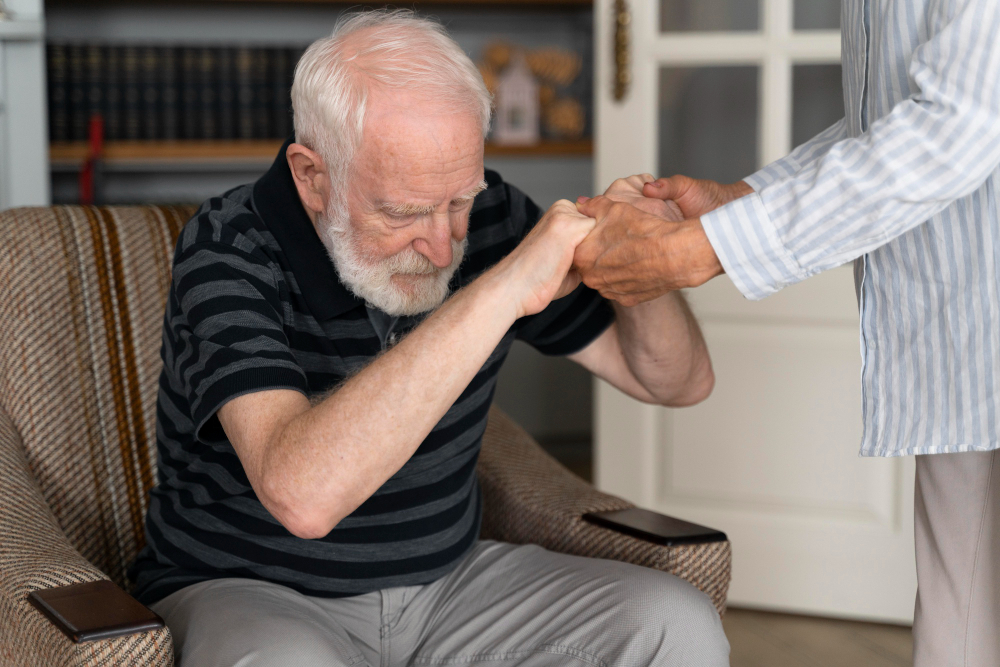
What is Parkinson’s?
Parkinson’s is a brain disorder that affects movement. It often starts slowly. Over time, it can make daily tasks harder. Many people ask, “What is Parkinson’s?” It is a long-term condition. The main problem is the loss of nerve cells in the brain. These cells help control movement. Because of this, people with Parkinson’s may shake or move slowly. According to the World Health Organization (WHO), millions of people worldwide live with Parkinson’s.
Common Symptoms
Early signs of Parkinson’s can be mild. However, symptoms often get worse over time. Knowing the signs helps with early care. Common Parkinson’s disease symptoms include:Tremor: Shaking, often in the hands or fingersStiffness: Muscles feel tight or rigidSlow movement: Movements become slower than usualBalance problems: Trouble standing or walkingSmall handwriting: Writing may become tiny and hard to readSoft voice: Speaking softly or in a low tone
Sometimes, people notice changes in facial expression. Others may see a lack of swinging arms while walking. Because these signs can be subtle, it is important to watch for changes.
Causes and Risk Factors
Doctors do not know the exact cause of Parkinson’s. However, several factors may raise the risk. Age is the biggest risk factor. Most people develop Parkinson’s after age 60. Other risk factors include:Family history: Having a close relative with Parkinson’sGender: Men are more likely to get Parkinson’s than womenExposure to toxins: Contact with certain chemicals may increase risk
Although genes can play a role, most cases are not inherited. Because the cause is not fully known, research continues.
Diagnosis Methods
Many people wonder, “How is Parkinson’s diagnosed?” There is no single test for Parkinson’s. Instead, doctors use several steps. First, they ask about symptoms and medical history. Next, they do a physical exam. Sometimes, doctors use brain scans to rule out other problems. However, these scans cannot confirm Parkinson’s. Because early signs of Parkinson’s can look like other conditions, seeing a specialist is important. Neurologists have special training in brain disorders. They can help make the right diagnosis.
Treatment Options
Parkinson’s treatment options focus on managing symptoms. While there is no cure, many treatments can help. Doctors may suggest:Medications: These help replace or boost dopamine, a brain chemicalSurgery: Deep brain stimulation (DBS) may help some peopleTherapies: Physical, speech, and occupational therapy can improve daily life
Because each person is different, treatment plans vary. Doctors often adjust medicines over time. In some cases, surgery may be an option if medicines do not work well. Therapies help with movement, speech, and daily tasks.
Lifestyle Tips for Living with Parkinson’s
Living with Parkinson’s can be challenging. However, many people find ways to stay active and healthy. Here are some tips:Exercise regularly to keep muscles strongEat a balanced diet for good healthGet enough sleep each nightJoin support groups for advice and friendshipWork with therapists to improve movement and speech
Because stress can make symptoms worse, try to relax and rest when needed. Staying social and active can also boost mood and well-being.
Prevention and Ongoing Research
Currently, there is no sure way to prevent Parkinson’s. However, some studies suggest that regular exercise and a healthy diet may lower risk. Ongoing research looks for better treatments and a possible cure. For example, scientists study new medicines and ways to protect brain cells. According to the CDC, early diagnosis and care can improve quality of life. Because research is always growing, hope for new advances remains strong.
In summary, Parkinson’s is a complex condition. However, with the right care, many people manage symptoms and live full lives. Consult a neurologist at Neuro Link for personalized advice on Parkinson’s disease.