What is a Stroke?
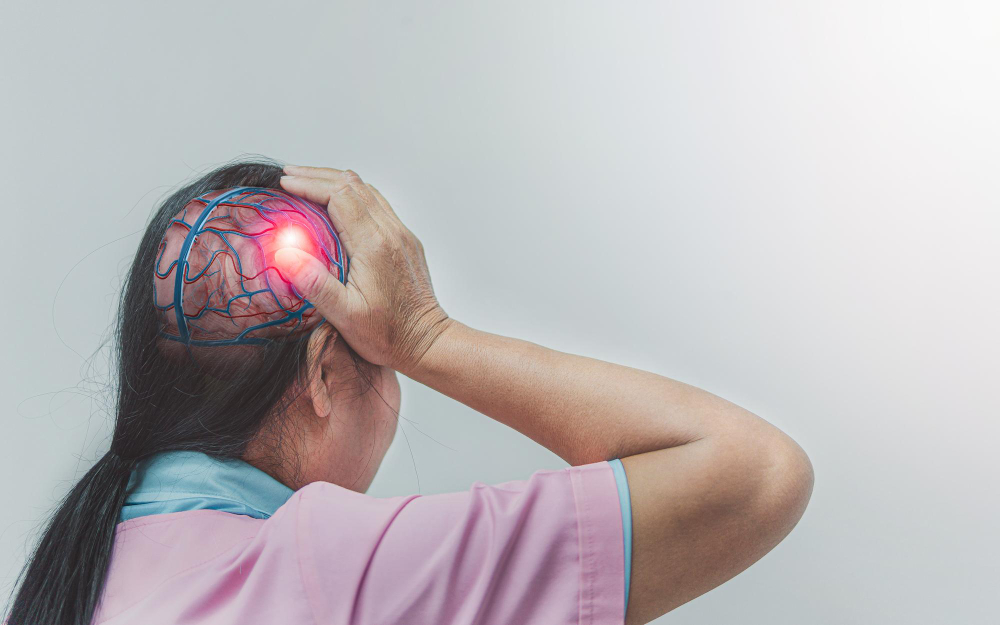
A stroke happens when blood flow to part of the brain stops. Without blood, brain cells start to die within minutes. This can cause lasting brain damage, disability, or even death. Strokes are a medical emergency. Early treatment can save lives and improve recovery. According to the CDC, stroke is a leading cause of death and disability worldwide. Because of this, knowing about stroke is very important for everyone.
Common Symptoms of Stroke
Recognizing stroke symptoms early can make a big difference. If you notice any of these signs, act fast:Sudden numbness or weakness in the face, arm, or leg, especially on one sideSudden confusion or trouble speakingSudden trouble seeing in one or both eyesSudden trouble walking, dizziness, or loss of balanceSudden severe headache with no known cause
Remember the word “FAST”:Face droopingArm weaknessSpeech difficultyTime to call emergency services
Because quick action is key, always seek help right away if you see these symptoms.
Causes and Risk Factors
There are two main types of stroke:Ischemic stroke: Caused by a blocked blood vessel in the brain. This is the most common type.Hemorrhagic stroke: Caused by a burst blood vessel, leading to bleeding in the brain.
Several risk factors can increase your chance of having a stroke. Some you can change, while others you cannot. For example, age and family history are not changeable. However, many lifestyle choices are within your control.
Common risk factors include:High blood pressureDiabetesHigh cholesterolSmokingObesityHeart diseasePhysical inactivityHeavy alcohol use
Because these factors play a big role, managing them can lower your risk.
How Stroke is Diagnosed
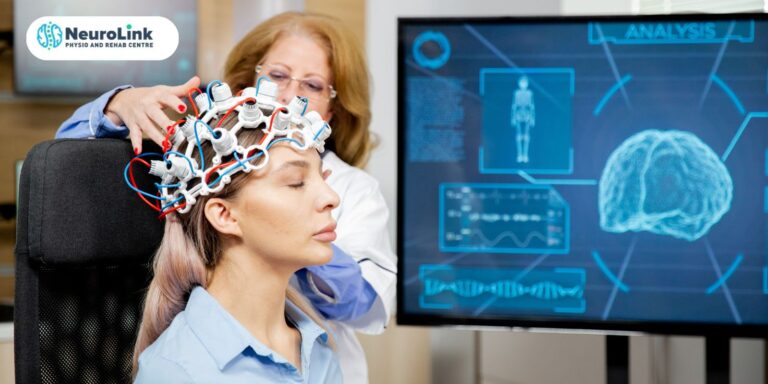
Doctors use several tests to diagnose stroke. First, they check your symptoms and medical history. Next, they may order brain scans, such as a CT scan or MRI. These images help show if there is bleeding or a blocked vessel. Blood tests, heart tests, and other exams may also be needed. Since quick diagnosis leads to better treatment, doctors act fast.
Treatment Options for Stroke
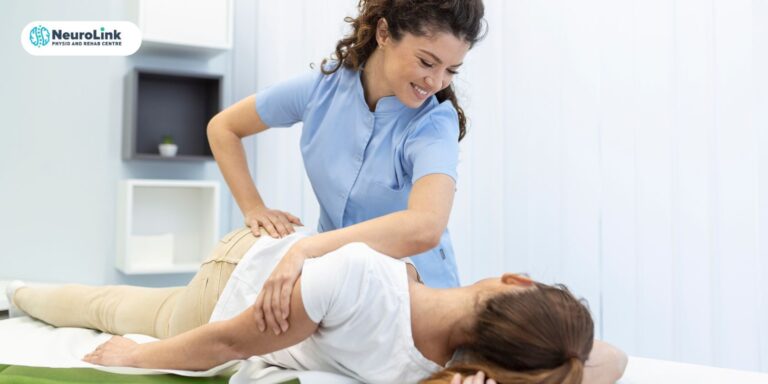
Stroke treatment options depend on the type and how quickly you get care. For ischemic stroke, doctors may use clot-busting drugs. These medicines work best if given within a few hours. Sometimes, doctors use special tools to remove the clot. For hemorrhagic stroke, treatment may include surgery or medicines to stop bleeding. After the emergency, rehab helps you regain lost skills. Because each stroke is different, your care plan will be unique.
Lifestyle Tips and Recovery Guidance
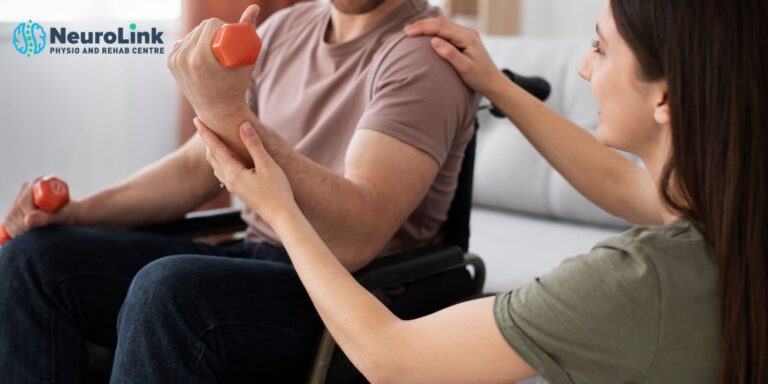
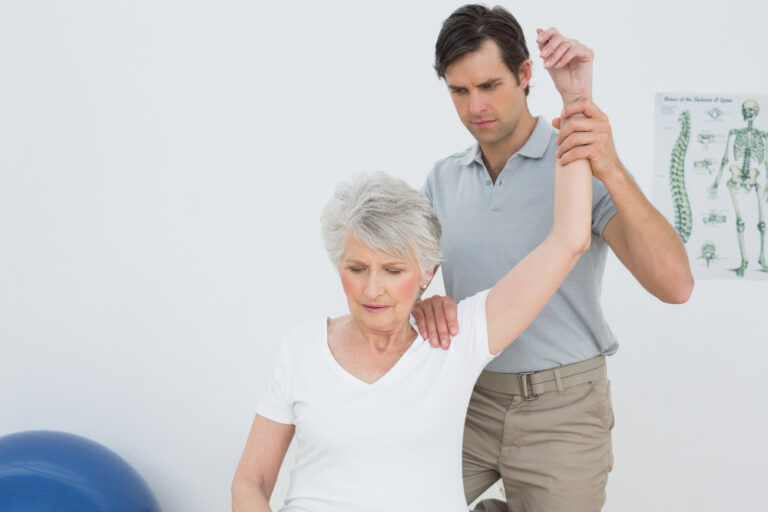
After a stroke, recovery can take time. However, many people improve with the right support. Here are some helpful tips:Follow your doctor’s advice closelyTake all medicines as prescribedAttend physical, speech, or occupational therapyEat a healthy, balanced dietStay active, as your doctor allowsAsk for help from family, friends, or support groups
Because recovery is a journey, patience and support are important. Neurology care for stroke can guide you through each step.
Prevention Strategies
You can lower your risk of stroke by making healthy choices. Here are some stroke prevention tips:Keep your blood pressure under controlManage diabetes and cholesterolDo not smokeLimit alcohol useEat more fruits, vegetables, and whole grainsExercise regularlyMaintain a healthy weightSee your doctor for regular check-ups
Because prevention is better than cure, start these habits today.
Conclusion
In summary, stroke is a serious health problem, but quick action and good care can save lives. Knowing stroke symptoms, causes, and treatment options helps you stay prepared. If you or someone you know experiences stroke symptoms, consult a healthcare specialist immediately at Neuro Link for personalized care and guidance.