Maintaining good physical health is essential for living an active, independent, and comfortable life. Injuries, surgeries, chronic pain, neurological conditions, sports injuries, and age-related physical problems can make everyday activities difficult. In such situations, professional Physiotherapy And Rehabilitation Services can play an important role in improving movement, strength, flexibility, balance, and overall physical function.
Physiotherapy focuses on identifying physical problems and improving them through structured exercises, manual techniques, movement training, and other evidence-based approaches. Rehabilitation, on the other hand, focuses on helping a person regain functional abilities after an injury, illness, surgery, or medical condition.
A properly planned rehabilitation program is different for every individual because recovery depends on the person’s condition, age, physical abilities, lifestyle, and recovery goals. With professional guidance and regular treatment, many people can gradually return to their daily activities and improve their quality of life.
What Are Physiotherapy And Rehabilitation Services?
include a wide range of treatments and therapeutic programs designed to improve physical movement and functional ability. These services may be recommended for people recovering from injuries, surgeries, neurological conditions, orthopedic problems, sports injuries, or long-term physical limitations.
A physiotherapist generally begins with an assessment of the person’s movement, muscle strength, flexibility, balance, posture, pain, and functional limitations. Based on this assessment, an individualized treatment plan is prepared.
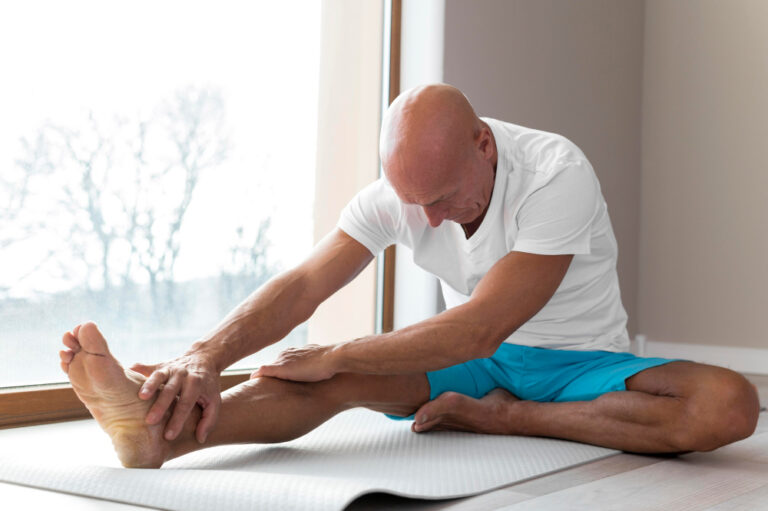
Treatment may include therapeutic exercises, stretching, strengthening activities, balance training, mobility exercises, posture correction, manual therapy, and functional training. The exact approach depends on the individual’s condition and treatment goals.
The main purpose is not simply to reduce discomfort but also to address the underlying physical limitations and help the person perform everyday activities more safely and independently.
Why Is Physiotherapy Important?
Physical problems can affect almost every part of daily life. Simple activities such as walking, climbing stairs, sitting, standing, lifting objects, or getting out of bed may become challenging after an injury or medical condition.
Physiotherapy can help individuals work on these limitations through structured and progressive treatment. Regular therapy can support improvements in muscle strength, joint movement, coordination, balance, flexibility, and functional mobility.
For people recovering from surgery, physiotherapy can also be an important part of the recovery process. A therapist can guide patients through appropriate exercises and gradually increase activity according to their abilities.
Professional
can therefore be useful not only during recovery but also for improving physical function and preventing further limitations.
Conditions That May Benefit From Physiotherapy and Rehabilitation
Physiotherapy and rehabilitation may be recommended for a variety of physical and neurological conditions. Some common examples include:
1. Back and Neck Problems
Back and neck discomfort can be associated with poor posture, muscle weakness, prolonged sitting, injuries, or other physical factors. Physiotherapy may involve posture education, mobility exercises, strengthening, stretching, and functional movement training.
2. Sports Injuries
Athletes and physically active individuals can experience muscle strains, ligament injuries, joint problems, and other sports-related conditions. Rehabilitation helps them gradually rebuild strength, movement, coordination, and functional ability.
3. Post-Surgical Recovery
After certain surgeries, people may experience reduced mobility, muscle weakness, stiffness, or difficulty performing everyday activities. A supervised rehabilitation program can help restore movement and function progressively.
4. Neurological Conditions
People with neurological conditions may experience difficulties with balance, coordination, walking, strength, or everyday movements. Neurological rehabilitation focuses on improving functional abilities through individualized movement and exercise programs.
5. Joint and Muscle Problems
Problems involving the shoulder, knee, hip, ankle, or other joints can affect mobility and daily activities. Physiotherapy can focus on improving movement, strength, flexibility, and functional performance.
6. Age-Related Mobility Problems
Older adults may experience reduced muscle strength, balance difficulties, stiffness, and decreased mobility. Appropriate rehabilitation programs can focus on maintaining independence, improving safe movement, and supporting functional activities.
Benefits of Physiotherapy And Rehabilitation Services
There are several potential benefits of professional physiotherapy and rehabilitation. The specific benefits depend on the individual’s condition and treatment plan.
Improved Mobility
One of the major goals of rehabilitation is to improve functional movement. Exercises and movement training can help individuals work toward better mobility and make everyday activities easier.
Increased Muscle Strength
Inactivity after an injury, illness, or surgery can lead to reduced muscle strength. Progressive strengthening exercises can help rebuild physical capacity under professional supervision.
Better Flexibility
Stiff joints and tight muscles may limit movement. Stretching and mobility exercises can help improve flexibility when they are appropriate for the individual’s condition.
Improved Balance and Coordination
Balance and coordination are important for safe movement. Rehabilitation may include exercises designed to improve body control, stability, and functional coordination.
Better Functional Independence
The ultimate goal of many rehabilitation programs is to help individuals become more independent in daily activities. Therapy can focus on practical movements such as walking, transferring, climbing stairs, and performing routine tasks.
Support During Recovery
Recovering from an injury or surgery can take time. A structured rehabilitation program provides professional guidance and allows progress to be monitored over time.
What Happens During a Physiotherapy Session?
A physiotherapy session generally begins with an assessment of the individual’s current physical condition. The therapist may discuss symptoms, medical history, daily activities, previous injuries, and treatment goals.
A physical assessment may then evaluate areas such as:
- Range of motion
- Muscle strength
- Balance
- Flexibility
- Posture
- Walking pattern
- Coordination
- Functional movement
After assessment, the physiotherapist develops an appropriate treatment approach.
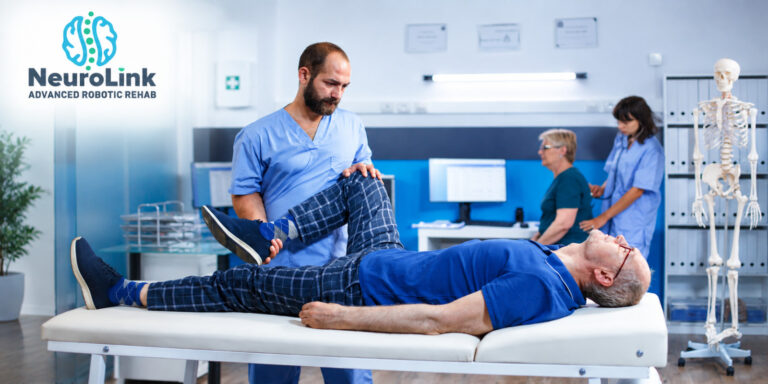
Depending on the individual’s needs, a session may include therapeutic exercises, stretching, strengthening, balance activities, mobility training, manual techniques, posture education, or functional exercises.
Patients may also receive exercises to perform at home. Following the recommended home program consistently can be an important part of rehabilitation.
Role of Rehabilitation After an Injury
An injury can temporarily affect strength, movement, confidence, and independence. Returning to normal activities too quickly may not always be appropriate, while avoiding movement for too long can contribute to stiffness or weakness.
Rehabilitation provides a structured approach to recovery. The therapist can gradually progress exercises and activities according to the person’s abilities.
Physiotherapy And Rehabilitation Services can help create a step-by-step recovery plan that focuses on improving movement and functional performance while considering the individual’s limitations.
The rehabilitation process may involve different stages. Initially, the focus may be on safe movement and maintaining appropriate mobility. Later, strengthening, balance, coordination, and functional activities may become more important.
Physiotherapy for Sports and Fitness Recovery
Sports and physical activities place demands on muscles, joints, and the overall movement system. Injuries can temporarily prevent a person from participating in their preferred activities.
Sports rehabilitation focuses on gradually restoring physical function. Depending on the injury, treatment may include strengthening, flexibility exercises, movement training, balance activities, and sport-specific functional exercises.
The goal is to help the individual progress safely toward their normal level of activity. A professional can also identify movement limitations that may need attention before returning to demanding physical activities.
Neurological Rehabilitation
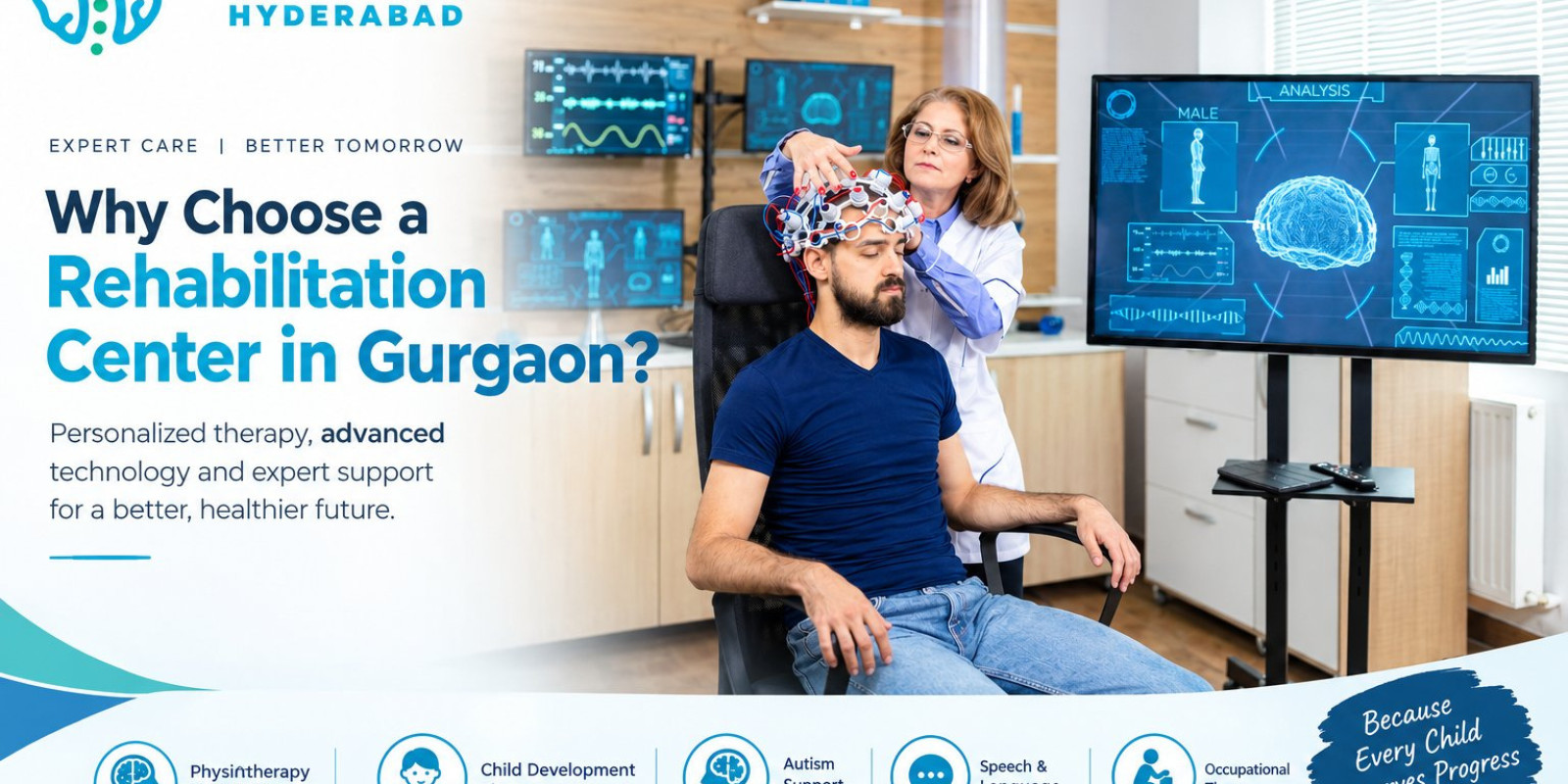
Neurological rehabilitation is designed for individuals experiencing movement and functional difficulties related to neurological conditions.
Such difficulties may include problems with walking, balance, coordination, muscle control, or performing everyday activities.
Treatment is usually individualized. Therapists may use repetitive movement practice, balance exercises, functional training, mobility activities, and strengthening exercises according to the person’s abilities.
The overall goal is to support functional improvement and help individuals achieve greater independence in their daily routines.
Importance of Personalized Treatment
Every person’s recovery journey is different. Two people with similar conditions may have different symptoms, physical abilities, lifestyles, and recovery goals.
For this reason, Physiotherapy And Rehabilitation Services should ideally be personalized rather than based on a single standard treatment plan.
A physiotherapist can evaluate the individual’s condition and modify exercises according to progress. Treatment intensity, repetitions, exercises, and functional activities can be adjusted as the person improves.
Personalized care also allows therapists to focus on the activities that matter most to the individual, whether that means walking independently, returning to sports, improving workplace mobility, or performing household activities.
Home Exercises and Rehabilitation
Professional therapy sessions are only one part of the rehabilitation process. Depending on the condition, patients may receive a home exercise program.
Home exercises may include stretching, strengthening, mobility, balance, or functional activities. These exercises should be performed according to the therapist’s instructions.
Consistency is important because rehabilitation usually requires gradual progress rather than immediate results. Patients should also communicate with their therapist if an exercise causes unexpected or significant discomfort or if their condition changes.
Following professional instructions and attending scheduled sessions can help maintain continuity throughout the recovery process.
Choosing the Right Physiotherapy and Rehabilitation Center
Selecting an appropriate rehabilitation center is an important decision. Before beginning treatment, individuals may consider several factors.
Qualified Professionals
Look for a center with appropriately trained physiotherapists and rehabilitation professionals who understand the individual’s condition.
Individualized Treatment
A good rehabilitation program should be based on an assessment rather than using exactly the same exercises for every patient.
Appropriate Facilities
The availability of suitable therapy equipment and a comfortable treatment environment can support the rehabilitation process.
Progress Monitoring
Recovery should be monitored regularly. A therapist can assess changes in strength, mobility, balance, and functional performance and modify the treatment plan accordingly.
Patient Education
Understanding the condition and learning how to perform exercises correctly can help patients participate actively in their recovery.
How Physiotherapy Can Support Long-Term Physical Health
Physiotherapy is not limited to treating an existing injury. It can also support long-term physical function by improving strength, mobility, posture, balance, and movement patterns.
People who spend long periods sitting, have physically demanding jobs, participate in sports, or experience recurring physical problems may benefit from professional assessment and guidance.
Physiotherapy And Rehabilitation Services can provide structured support for improving physical function and developing healthier movement habits.
However, treatment should always be based on an appropriate assessment. Not every exercise or treatment technique is suitable for every individual.
When Should You Consider Physiotherapy?
A person may consider consulting a physiotherapist when physical limitations begin affecting normal daily activities. This may happen after an injury, surgery, illness, or when persistent movement problems develop.
Common reasons for seeking professional assessment include:
- Difficulty walking
- Reduced joint movement
- Muscle weakness
- Balance problems
- Difficulty performing daily activities
- Recovery after surgery
- Sports-related injuries
- Posture and movement concerns
- Reduced physical independence
Early professional assessment can help identify functional limitations and determine an appropriate treatment approach.
A Patient-Centered Approach to Rehabilitation
Successful rehabilitation involves cooperation between the patient and healthcare professionals. Patients should communicate their concerns, goals, progress, and difficulties during treatment.
A therapist can then adjust the rehabilitation program based on the patient’s response.
A patient-centered approach also considers lifestyle, work requirements, home environment, and daily activities. This makes rehabilitation more practical and relevant to real-life needs.
The purpose of Physiotherapy And Rehabilitation Services is to support individuals in improving physical function and working toward meaningful recovery goals through structured professional care.
Frequently Asked Questions
What is the difference between physiotherapy and rehabilitation?
Physiotherapy generally focuses on improving physical movement, strength, flexibility, and function. Rehabilitation is a broader process that helps an individual regain functional abilities after injury, surgery, illness, or a medical condition. Physiotherapy is often an important component of rehabilitation.
How long does physiotherapy treatment take?
The duration varies from person to person. It depends on the condition, severity of the problem, treatment goals, response to therapy, and consistency with the recommended program.
Are physiotherapy exercises suitable for everyone?
Not every exercise is suitable for every person. Exercises should be selected according to the individual’s condition and physical abilities. A qualified professional can recommend appropriate exercises.
Can physiotherapy help after surgery?
Physiotherapy is commonly used as part of recovery after various surgeries. The specific exercises and timing depend on the type of surgery and the individual’s medical situation.
Is home exercise important?
When prescribed by a physiotherapist, a home exercise program can complement supervised treatment. Consistency and correct technique are important.
Conclusion
Physical limitations can affect mobility, independence, confidence, and quality of life. Whether a person is recovering from an injury, surgery, sports problem, neurological condition, or age-related mobility challenge, professional rehabilitation can provide structured support throughout the recovery journey.
Physiotherapy And Rehabilitation Services focus on improving movement, strength, flexibility, balance, coordination, and functional abilities through individualized treatment programs.
Choosing a qualified rehabilitation professional, following the recommended treatment plan, performing appropriate home exercises, and regularly monitoring progress can all contribute to a more organized recovery process.
If you are experiencing difficulty with movement or recovering from an injury or medical condition, consider speaking with a qualified physiotherapy professional to understand which treatment and rehabilitation approach may be appropriate for your individual needs.
https://www.instagram.com/neurolink.hyd
https://www.facebook.com/neurolinkrehab
Contact us on :- 97 0303 0405