Good physical health is essential for maintaining an active, independent, and comfortable lifestyle. However, injuries, surgeries, neurological conditions, joint problems, muscle weakness, and age-related changes can affect a person’s ability to move and perform everyday activities. In such situations, professional Physiotherapy And Rehabilitation Services can play an important role in improving mobility, strength, flexibility, balance, and overall physical function.
At Neurolink Rehabilitation, physiotherapy and rehabilitation programs are designed around the individual needs and goals of each patient. The approach focuses not only on managing physical difficulties but also on helping individuals regain confidence and independence in their daily lives.
Whether you are recovering from an injury, surgery, stroke, neurological condition, or chronic pain, an appropriately planned rehabilitation program can support your recovery journey.
What Are Physiotherapy And Rehabilitation Services?
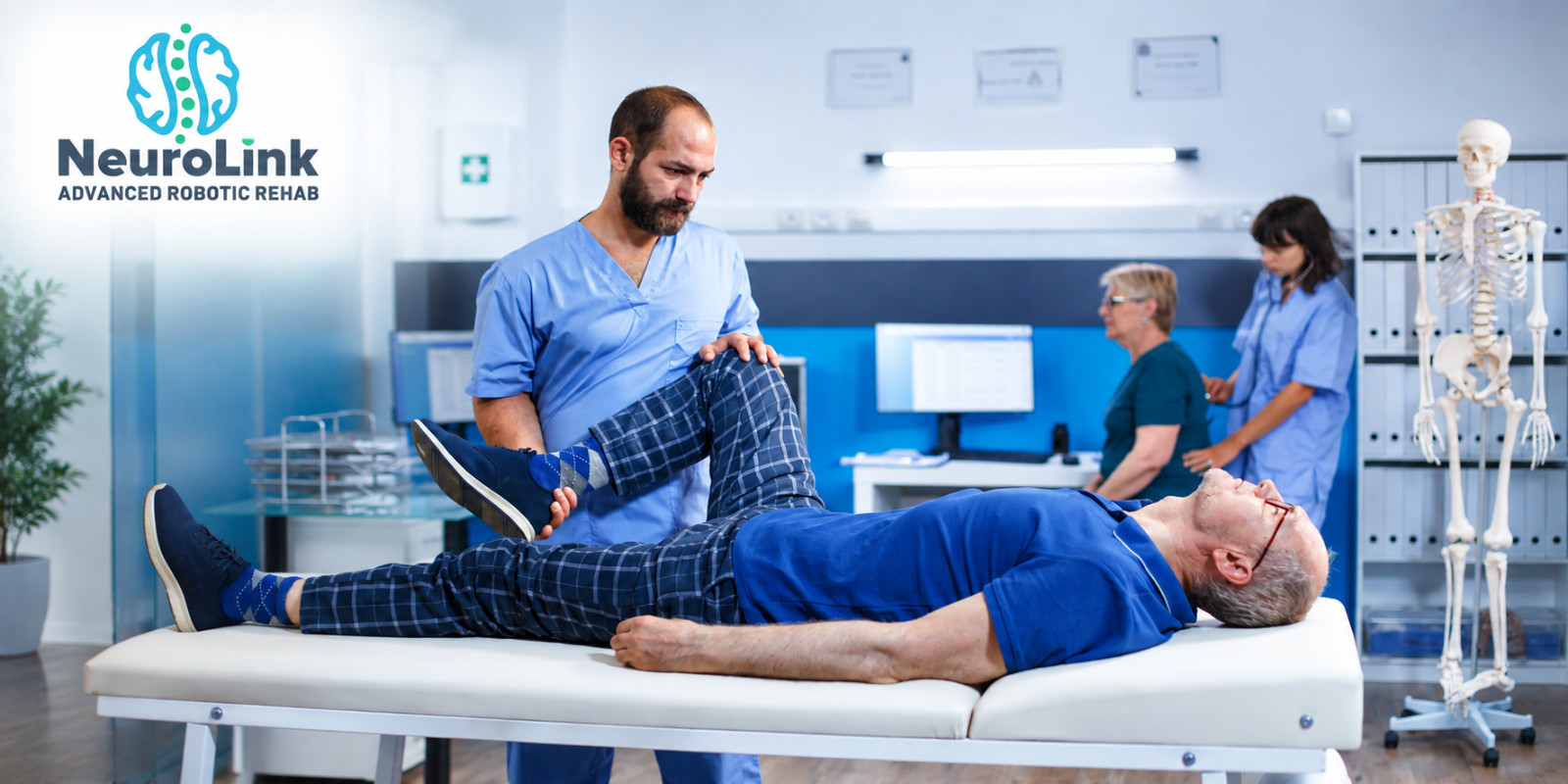
Physiotherapy And Rehabilitation Services involve a range of professional therapies and exercises designed to improve movement, physical function, strength, balance, coordination, and independence.
Physiotherapy generally focuses on problems related to muscles, joints, bones, nerves, movement, and physical function. Rehabilitation can be broader and may involve a structured combination of physical exercises, functional training, mobility activities, balance training, and other supportive therapies.
The exact treatment plan depends on the person’s condition, symptoms, physical abilities, and recovery goals. A qualified rehabilitation professional first evaluates the individual and then develops a personalized program.
The main purpose is to help people improve their functional abilities safely and progressively.
Who Can Benefit From Physiotherapy And Rehabilitation Services?
People of different ages and with different physical conditions may benefit from physiotherapy and rehabilitation.
These services may be helpful for individuals experiencing:
- Back and neck pain
- Joint stiffness and discomfort
- Sports-related injuries
- Muscle weakness
- Difficulty walking
- Balance problems
- Recovery after surgery
- Post-stroke physical difficulties
- Neurological conditions
- Arthritis-related movement problems
- Mobility limitations
- Post-injury weakness
- Coordination difficulties
- Age-related physical limitations
Early professional assessment can help identify functional limitations and determine an appropriate rehabilitation approach.
Importance of Personalized Rehabilitation
Every person’s condition and recovery journey is different. Two individuals with similar symptoms may have different physical abilities, medical histories, lifestyles, and recovery goals.
For this reason, personalized Physiotherapy And Rehabilitation Services are important. A rehabilitation program should be adapted according to the individual’s current physical condition and progress.
A personalized program may include:
- Mobility exercises
- Strengthening exercises
- Flexibility training
- Balance exercises
- Coordination activities
- Walking and gait training
- Functional movement training
- Posture-related exercises
- Home exercise recommendations
The intensity and type of exercises can be adjusted as the person progresses.
Common Physiotherapy Treatments
Physiotherapy can involve different techniques depending on the individual’s needs. Some commonly used approaches include therapeutic exercises, mobility training, stretching, strengthening activities, posture correction, balance training, and functional exercises.
Therapeutic Exercises
Therapeutic exercises are structured movements designed to improve strength, flexibility, mobility, and physical function.
Exercises may target specific muscle groups or movements depending on the patient’s condition.
Strength Training
Weak muscles can affect mobility and everyday activities. Progressive strengthening exercises can help improve muscle function and support better movement.
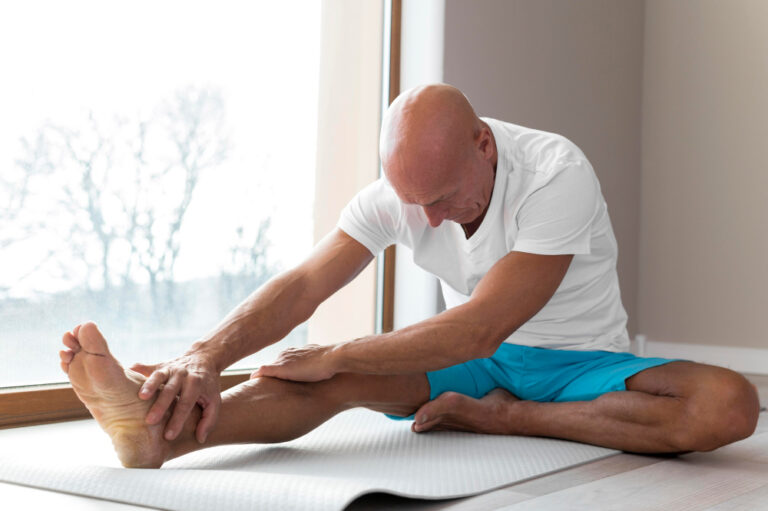
Flexibility and Mobility Training
Stiff joints and tight muscles can make movement difficult. Stretching and mobility exercises may help improve the range of movement and make daily activities easier.
Balance Training
Balance problems can affect walking and increase the risk of falls. Balance exercises can focus on stability, coordination, weight shifting, and controlled movement.
Gait and Walking Training
Individuals who have difficulty walking may benefit from structured gait training. This can focus on walking patterns, coordination, posture, balance, and controlled movement.
Physiotherapy And Rehabilitation Services for Neurological Conditions
Neurological conditions can sometimes affect movement, coordination, balance, muscle control, and independence. Rehabilitation can be an important part of managing these functional challenges.
Depending on the individual’s condition, rehabilitation may focus on:
- Improving movement control
- Balance training
- Walking practice
- Coordination exercises
- Muscle strengthening
- Functional activities
- Posture and positioning
- Improving independence in daily activities
Conditions such as stroke and other neurological disorders may require a consistent and individualized rehabilitation program.
At Neurolink Rehabilitation, the focus is on understanding the individual’s functional difficulties and developing an appropriate rehabilitation plan.
Rehabilitation After Surgery
Recovery after surgery may involve weakness, stiffness, reduced mobility, or difficulty returning to normal activities.
A structured rehabilitation program can help support the recovery process. Depending on the surgery and medical advice, therapy may focus on restoring movement, improving strength, increasing flexibility, and gradually returning to functional activities.
Following professional guidance is important because rehabilitation exercises should be appropriate for the individual’s stage of recovery.
Benefits of Physiotherapy And Rehabilitation Services
Professional rehabilitation can provide several potential benefits when appropriately planned and followed consistently.
1. Improved Mobility
Targeted exercises and movement training can help individuals work toward better mobility and physical function.
2. Better Muscle Strength
Progressive exercises can help address muscle weakness and improve functional strength.
3. Improved Flexibility
Stretching and mobility exercises may help reduce stiffness and improve movement.
4. Better Balance and Coordination
Balance and coordination training can help individuals develop better control over their movements.
5. Support During Recovery
Rehabilitation can provide structured guidance during recovery from injuries, surgeries, or neurological conditions.
6. Greater Independence
Improving physical abilities can make everyday activities such as walking, standing, transferring, and other functional tasks easier.
Why Consistency Matters in Rehabilitation
Rehabilitation is usually a gradual process rather than an overnight solution. Consistency plays an important role in making progress.
Depending on the condition, improvement may require regular therapy sessions combined with exercises or activities recommended for home practice.
Patients should follow the instructions provided by their healthcare and rehabilitation professionals and communicate any discomfort or difficulty during exercises.
Regular assessment can also help therapists modify the rehabilitation program as the individual’s abilities change.
Choosing the Right Physiotherapy And Rehabilitation Services
Choosing an appropriate rehabilitation center is an important decision. Before beginning treatment, consider factors such as the experience of the rehabilitation team, available services, personalized treatment planning, cleanliness, accessibility, and the type of conditions they work with.
A good rehabilitation program should focus on the individual’s needs rather than applying the same treatment approach to everyone.
It is also useful to understand the treatment goals, expected progression, and home-care recommendations before starting a program.
Physiotherapy And Rehabilitation Services at Neurolink Rehabilitation
Neurolink Rehabilitation focuses on providing structured rehabilitation support for individuals with different physical and neurological challenges.
The rehabilitation approach is centered around assessment, personalized treatment planning, guided exercises, functional training, and progress monitoring.
Depending on the individual’s requirements, the program may include mobility training, strengthening exercises, balance activities, gait training, coordination exercises, and functional rehabilitation.
The goal is to help individuals work toward improved movement and greater independence through a structured rehabilitation approach.
When Should You Consider Physiotherapy?
You may consider professional physiotherapy when pain, stiffness, weakness, balance problems, or reduced mobility are affecting your everyday activities.
It can also be useful after certain injuries or surgeries when rehabilitation has been recommended by your healthcare professional.
If you experience persistent or worsening symptoms, it is important to seek appropriate medical evaluation rather than relying only on self-treatment.
Frequently Asked Questions About Neurolink Rehabilitation
1. What services are available at Neurolink Rehabilitation?
Neurolink Rehabilitation provides personalized physiotherapy and rehabilitation programs focused on improving mobility, strength, balance, coordination, and functional independence. Treatment plans are designed according to the individual’s condition and rehabilitation goals.
2. Does Neurolink Rehabilitation provide neurological rehabilitation?
Yes, Neurolink Rehabilitation focuses on rehabilitation for individuals experiencing neurological and movement-related difficulties. Programs may include mobility training, balance exercises, gait training, coordination activities, and functional exercises based on individual needs.
3. Can Neurolink Rehabilitation help with walking difficulties?
Yes. Individuals experiencing walking or mobility difficulties may benefit from a structured rehabilitation program. At Neurolink Rehabilitation, gait training, balance activities, strengthening exercises, and functional movement training may be included according to the person’s requirements.
4. Does Neurolink Rehabilitation offer physiotherapy after surgery?
Yes, physiotherapy may be an important part of recovery after certain surgeries. Neurolink Rehabilitation can provide structured rehabilitation support focusing on restoring movement, strength, flexibility, and functional abilities, depending on the individual’s recovery stage and medical recommendations.
5. How does Neurolink Rehabilitation create a treatment plan?
The rehabilitation approach begins by understanding the individual’s condition, movement limitations, physical abilities, and functional goals. Based on the assessment, Neurolink Rehabilitation can develop a personalized therapy program and adjust it according to progress.
6. Can elderly people benefit from rehabilitation at Neurolink Rehabilitation?
Yes. Older adults experiencing weakness, balance difficulties, reduced mobility, or challenges with everyday movements may benefit from an appropriately designed rehabilitation program. Exercises can be selected according to their abilities and functional requirements.
7. How can Neurolink Rehabilitation help improve balance?
Neurolink Rehabilitation may use balance-focused activities, strengthening exercises, coordination training, mobility exercises, and functional movement practice to help individuals work toward better stability and movement control.
8. How often should I visit Neurolink Rehabilitation for physiotherapy?
The recommended frequency depends on the individual’s condition, rehabilitation goals, physical abilities, and treatment plan. A qualified rehabilitation professional can recommend an appropriate schedule after assessing the individual’s needs.
9. Are home exercises recommended by Neurolink Rehabilitation?
Home exercises may be recommended when they are appropriate for the individual’s condition. Following professional instructions and maintaining consistency can support the rehabilitation process between therapy sessions.
10. Why choose Neurolink Rehabilitation for physiotherapy and rehabilitation?
Neurolink Rehabilitation focuses on personalized care, structured rehabilitation, guided exercises, mobility improvement, and functional training. The treatment approach is adapted to the individual’s needs and progress, with the goal of helping them achieve better physical function and independence.
Conclusion
Movement and physical independence are important parts of a healthy and active life. When an injury, surgery, neurological condition, weakness, stiffness, or mobility problem affects everyday activities, professional rehabilitation can provide structured support.
Physiotherapy And Rehabilitation Services can help individuals work toward better strength, mobility, balance, coordination, and functional independence through personalized rehabilitation programs.
At Neurolink Rehabilitation, the focus is on understanding each individual’s requirements and providing an appropriate, progressive rehabilitation approach. With professional guidance, regular practice, and consistency, individuals can work toward meaningful improvements in their physical function and quality of life.
If you or a family member is experiencing difficulty with movement, balance, strength, or daily activities, consider consulting a qualified rehabilitation professional to understand which treatment approach may be appropriate.
Stay Connected With NeuroLink Rehab
For professional physiotherapy and rehabilitation support, get in touch with us today.
📞 Contact Us: 97 0303 0405
🌐 Explore Our Services:
https://neurolinkrehab.com/services/
📱 Follow Us on Instagram:
https://www.instagram.com/neurolink.hyd
📘 Follow Us on Facebook:
https://www.facebook.com/neurolinkrehab
NeuroLink Rehab — Supporting Better Recovery, Mobility & Independence.