Recovering from an injury, surgery, neurological condition, or long-term health problem can be challenging. Pain, stiffness, weakness, and limited movement can affect everyday activities and overall quality of life. This is where professional Physiotherapy And Rehabilitation Services can play an important role in helping individuals regain movement, strength, balance, and independence.
Physiotherapy focuses on improving physical function through personalized exercises, movement techniques, and clinically guided treatment. Rehabilitation, on the other hand, takes a broader approach by helping people return to their daily activities after an injury, illness, surgery, or disability.
Whether you are recovering from an orthopedic injury, neurological condition, sports injury, surgery, or chronic pain, an individualized rehabilitation program can support your recovery journey.
What Are Physiotherapy And Rehabilitation Services?
Physiotherapy And Rehabilitation Services include a range of treatments and therapeutic techniques designed to improve physical movement, reduce pain, restore strength, and help individuals become more independent.
A physiotherapist first evaluates the patient’s condition, movement limitations, strength, flexibility, balance, and functional abilities. Based on this assessment, a customized treatment plan is created.
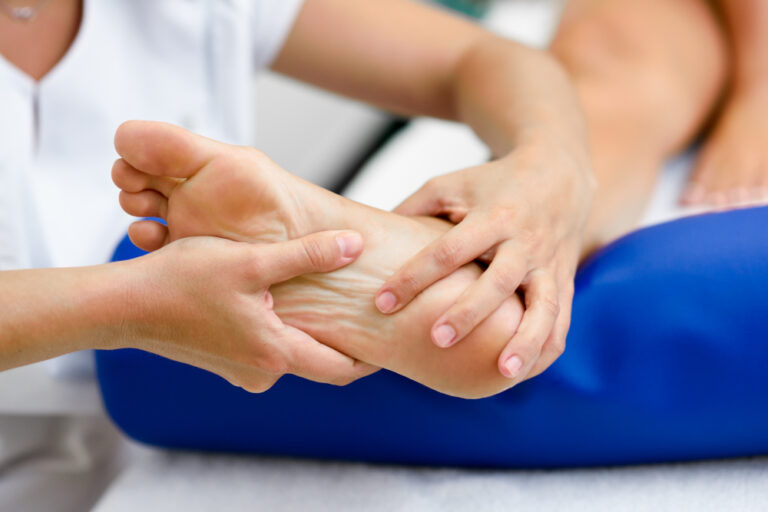
Treatment may include therapeutic exercises, mobility training, balance exercises, manual techniques, posture correction, gait training, and other evidence-based approaches depending on the individual’s needs.
Rehabilitation may also involve training for everyday activities so that patients can safely return to work, school, sports, or normal daily routines.
Why Are Physiotherapy And Rehabilitation Services Important?
An injury or medical condition can affect more than just one part of the body. It can influence mobility, confidence, independence, and the ability to perform everyday tasks.
Professional Physiotherapy And Rehabilitation Services can help address these challenges through structured and progressive treatment.
Some common goals of physiotherapy and rehabilitation include:
- Improving range of motion
- Building muscle strength
- Improving balance and coordination
- Supporting recovery after surgery
- Improving walking and mobility
- Managing certain types of pain
- Improving posture and movement patterns
- Increasing functional independence
- Supporting a safe return to daily activities
The exact treatment approach depends on the individual’s condition and assessment.
Conditions That May Benefit From Physiotherapy
Physiotherapy can be useful for people experiencing a variety of physical and neurological problems. Treatment should always be based on an appropriate professional assessment.
Common conditions may include:
Orthopedic Conditions
People with musculoskeletal problems may experience pain, stiffness, weakness, or restricted movement. Physiotherapy can be incorporated into recovery plans for conditions affecting the back, neck, shoulders, knees, hips, ankles, and other joints.
Sports Injuries
Athletes and active individuals can experience muscle strains, ligament injuries, joint problems, and other sports-related conditions. Rehabilitation can focus on restoring movement, strength, coordination, and functional performance.
Post-Surgical Recovery
After certain surgeries, patients may require rehabilitation to regain mobility and strength. A structured program can help patients progressively work toward their functional goals as advised by their healthcare team.
Neurological Conditions
Neurological conditions can affect movement, balance, coordination, muscle control, and daily functioning. Neurological rehabilitation may include mobility training, balance work, strengthening, gait training, and functional exercises.
Chronic Pain and Movement Problems
Some people experience persistent pain or movement limitations that interfere with everyday activities. A physiotherapist can assess movement patterns and develop an appropriate exercise and rehabilitation plan.
What Happens During a Physiotherapy Assessment?
Before starting treatment, a physiotherapist generally performs an assessment to understand the patient’s condition and functional limitations.
The assessment may include:
- Discussion of symptoms and medical history
- Evaluation of posture and movement
- Assessment of muscle strength
- Evaluation of flexibility and range of motion
- Balance and coordination assessment
- Walking or gait assessment when appropriate
- Identification of functional difficulties
The information gathered during the assessment helps the physiotherapist develop an individualized treatment plan.
This personalized approach is an important part of effective Physiotherapy And Rehabilitation Services, because different people can have different needs even when they have similar diagnoses.
Common Techniques Used in Physiotherapy and Rehabilitation
Treatment methods vary according to the patient’s condition, goals, and professional assessment.
Therapeutic Exercise
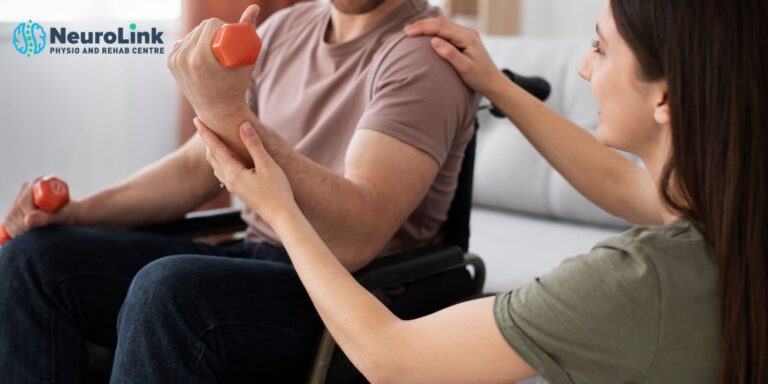
Exercise is an important part of many rehabilitation programs. Exercises may be used to improve strength, flexibility, endurance, balance, coordination, and functional movement.
Mobility Training
Mobility exercises can help individuals work toward improved joint movement and functional mobility.
Balance and Coordination Training
Balance exercises may be useful for people who experience difficulty maintaining stability or coordinating movement.
Gait Training
For individuals experiencing walking difficulties, gait training can focus on improving walking patterns, balance, coordination, and safety.
Strengthening Exercises
Progressive strengthening can help address muscle weakness and improve the ability to perform everyday activities.
Posture and Movement Education
Poor movement habits and posture can contribute to discomfort and functional limitations. Physiotherapists may provide guidance on safer and more efficient movement patterns.
Physiotherapy And Rehabilitation Services After Injury
Injury recovery is often a gradual process. Returning to normal activities too quickly may not be appropriate for everyone, while avoiding movement for too long can also contribute to stiffness and weakness in some situations.
A rehabilitation program can provide structured progression according to the person’s condition and goals.
For example, rehabilitation may progress from basic movement and pain-management strategies toward strengthening, balance training, functional activities, and return-to-activity exercises.
The timeline is different for every individual. Factors such as the type and severity of the injury, overall health, treatment plan, and consistency with rehabilitation can influence recovery.
Role of Physiotherapy in Neurological Rehabilitation
Neurological rehabilitation is designed for individuals whose movement and functional abilities have been affected by neurological conditions.
Depending on the individual’s needs, treatment may focus on:
- Improving balance
- Gait and walking training
- Strength and endurance
- Coordination
- Functional movement
- Transfer training
- Postural control
- Independence in daily activities
Neurological rehabilitation often requires patience and consistency. Progress can vary considerably from person to person, so treatment goals should be personalized.
Benefits of a Personalized Rehabilitation Plan
Everyone’s body and recovery journey are different. A treatment plan that works for one person may not be suitable for another.
Personalized Physiotherapy And Rehabilitation Services take individual needs and functional goals into account.
A customized program can help:
- Address specific movement limitations
- Progress exercises according to ability
- Set realistic functional goals
- Monitor changes over time
- Adapt treatment when necessary
- Encourage active participation in recovery
Regular reassessment can help healthcare professionals determine whether the rehabilitation plan needs to be modified.
How to Choose a Physiotherapy and Rehabilitation Center
Choosing an appropriate rehabilitation center is an important step in the recovery process.
Consider factors such as:
Qualified Professionals
Look for a center where treatment is provided by appropriately qualified healthcare professionals.
Personalized Treatment
Ask whether treatment plans are customized according to individual conditions and goals.
Range of Services
If you require specialized rehabilitation, check whether the center provides services relevant to your specific needs.
Assessment-Based Treatment
A good rehabilitation program should begin with an appropriate assessment rather than using exactly the same treatment approach for every patient.
Patient Education
Understanding your condition and treatment plan can help you participate more effectively in your rehabilitation.
How Often Should You Attend Physiotherapy?
The frequency of physiotherapy depends on several factors, including the patient’s condition, treatment goals, recovery stage, and professional recommendations.
Some individuals may need frequent sessions during the early stages of rehabilitation, while others may require less frequent visits as they become more independent.
Following the recommended exercise program between sessions can also be an important part of rehabilitation. However, exercises should be performed according to professional instructions and should be modified if they cause unexpected or significant problems.
Why Consistency Matters in Rehabilitation
Rehabilitation is not usually an overnight process. Consistency is often important for developing strength, mobility, balance, and functional skills.
Attending scheduled sessions, following professional recommendations, practicing prescribed exercises, and communicating changes in symptoms can help the rehabilitation team make informed adjustments.
It is also important to understand that recovery does not look the same for everyone. Some people may notice changes quickly, while others may require a longer period of structured rehabilitation.
Physiotherapy And Rehabilitation Services in Gurgaon
For individuals searching for Physiotherapy And Rehabilitation Services in Gurgaon, choosing a center that provides assessment-based and individualized rehabilitation can be an important consideration.
Gurgaon has a growing demand for rehabilitation and physiotherapy services because people may seek support for orthopedic problems, sports injuries, post-surgical recovery, neurological rehabilitation, mobility difficulties, and other functional concerns.
A professional rehabilitation center can help patients understand their condition, establish appropriate goals, and follow a structured recovery plan.
If you are considering physiotherapy, it is advisable to discuss your symptoms and requirements with a qualified healthcare professional to determine which type of treatment may be appropriate.
Who Can Benefit From Physiotherapy And Rehabilitation Services?
People of different ages may require physiotherapy and rehabilitation for different reasons.
These services may be relevant for:
- People recovering from injuries
- Individuals recovering after certain surgeries
- Sports players and active individuals
- People with movement limitations
- Individuals requiring neurological rehabilitation
- People experiencing certain musculoskeletal problems
- Older adults working to maintain mobility and independence
- Individuals who need support returning to daily activities
The suitability of physiotherapy depends on the individual’s medical condition and professional assessment.
Frequently Asked Questions
1. What are Physiotherapy And Rehabilitation Services?
Physiotherapy And Rehabilitation Services are professional healthcare services focused on improving movement, strength, mobility, balance, and functional independence after injury, surgery, illness, or certain medical conditions.
2. How does physiotherapy help with recovery?
Physiotherapy can use individualized exercises, mobility training, strengthening, balance work, and other therapeutic approaches to support physical recovery and improve functional abilities.
3. Do I need physiotherapy after surgery?
Some people may benefit from physiotherapy after surgery, depending on the type of surgery and their individual recovery needs. Your doctor or physiotherapist can advise whether rehabilitation is appropriate.
4. Can physiotherapy help with neurological conditions?
Yes. Neurological physiotherapy may support people experiencing difficulties with walking, balance, coordination, strength, and functional movement due to certain neurological conditions.
5. How long does physiotherapy treatment take?
The duration varies from person to person. It depends on the condition, severity, recovery goals, response to treatment, and professional recommendations.
6. Are physiotherapy exercises safe?
Exercises should be selected and progressed according to an individual’s condition and ability. Following instructions from a qualified physiotherapist can help ensure exercises are appropriate.
7. Can physiotherapy help improve mobility?
Physiotherapy may help improve mobility through exercises, movement training, strengthening, balance activities, and functional rehabilitation, depending on the underlying condition.
8. What should I expect during my first physiotherapy session?
The first session commonly includes an assessment of your symptoms, medical history, movement, strength, flexibility, balance, and functional abilities. The physiotherapist can then discuss an appropriate treatment plan.
9. How do I find Physiotherapy And Rehabilitation Services in Gurgaon?
When searching for Physiotherapy And Rehabilitation Services in Gurgaon, consider the qualifications of the professionals, available rehabilitation programs, assessment process, and whether treatment is personalized to your needs.
10. Why is personalized rehabilitation important?
Personalized rehabilitation allows treatment to be adapted to an individual’s condition, abilities, goals, and progress instead of following the exact same program for every patient.
Conclusion
Recovery is a journey that can require patience, professional guidance, and consistent participation. Whether someone is recovering from an injury, surgery, neurological condition, or movement-related problem, a structured rehabilitation approach can support progress toward improved mobility and independence.
Professional Physiotherapy And Rehabilitation Services focus on individualized assessment, appropriate exercises, functional training, and progressive rehabilitation based on each person’s needs.
If you are looking for Physiotherapy And Rehabilitation Services, consider consulting a qualified physiotherapist or rehabilitation professional to discuss your condition and determine an appropriate treatment approach. With the right guidance and a personalized plan, rehabilitation can become a structured part of the journey toward improved physical function and everyday independence.
📞 Contact Us: 97 0303 0405
🌐 Explore Our Services:
https://neurolinkrehab.com/services/
📱 Follow Us on Instagram:
https://www.instagram.com/neurolink.hyd
📘 Follow Us on Facebook:
https://www.facebook.com/neurolinkrehab
NeuroLink Rehab — Supporting Better Recovery, Mobility & Independence.