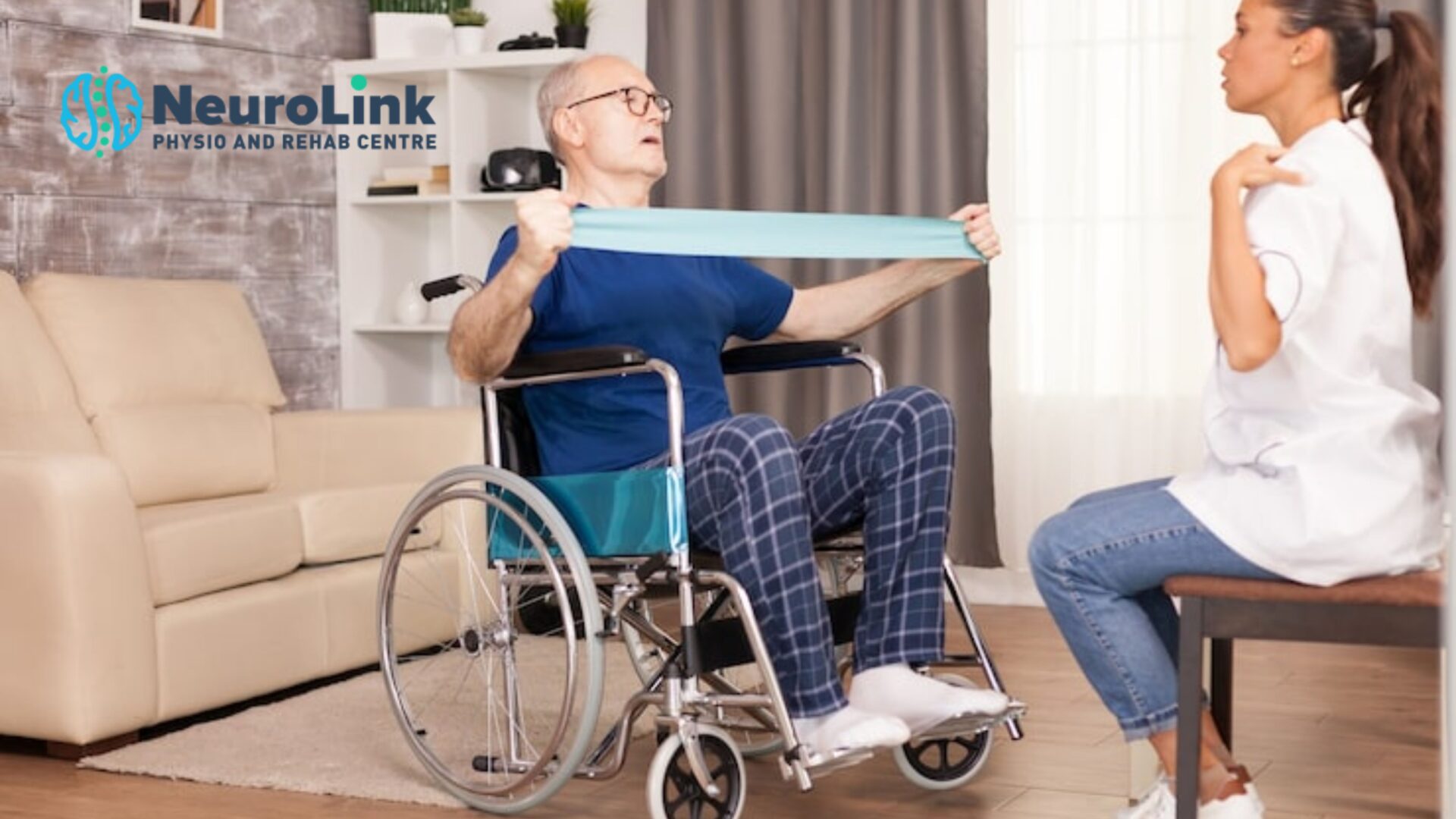
A stroke can change a person’s life within minutes. Simple activities like walking, speaking, holding objects, eating, or maintaining balance may suddenly become difficult. For patients and their families, the journey after a stroke can feel challenging. However, choosing the right hyderabad rehab centre can make an important difference in the recovery journey. With professional rehabilitation support, stroke survivors can work towards improving their movement, independence, and overall quality of life.
Finding the right hyderabad rehab centre is an important step towards a structured recovery journey. Stroke rehabilitation focuses on helping patients regain physical abilities, improve coordination, develop balance, and perform everyday activities with greater confidence.
At NeuroLink Advanced Robotic Rehab Centre, Hyderabad, patients can access rehabilitation support focused on neurological recovery, mobility improvement, and functional training. With a patient-centred approach and advanced robotic rehabilitation techniques, NeuroLink aims to support individuals recovering from stroke and other neurological conditions.
If you are searching for a reliable hyderabad rehab centre for stroke rehabilitation, understanding the recovery process, available therapies, and importance of professional guidance can help you make an informed decision.
What Is Stroke Rehabilitation?
Stroke rehabilitation is a structured recovery process designed to help people regain abilities affected by a stroke. A stroke occurs when the blood supply to a part of the brain is interrupted or when a blood vessel in the brain ruptures.
Since the brain controls movement, speech, memory, balance, and coordination, a stroke can affect one or more of these functions.
Depending on the affected area of the brain, a patient may experience:
- Weakness in one arm or leg.
- Difficulty walking or standing.
- Loss of balance and coordination.
- Difficulty speaking or understanding language.
- Problems with hand and finger movements.
- Difficulty performing everyday activities.
- Changes in memory, attention, or concentration.
A professional hyderabad rehab centre helps patients work on these challenges through structured rehabilitation programmes.
The main purpose of stroke rehabilitation is not simply to exercise the affected muscles. It also focuses on improving functional movement, encouraging independence, and helping patients participate in daily activities as safely as possible.
Every patient has different recovery needs. Therefore, rehabilitation should be planned according to the patient’s condition, abilities, and medical advice.
Why Is Choosing the Right Hyderabad Rehab Centre Important After a Stroke?
Stroke recovery requires patience, consistency, and professional guidance. Many patients need support beyond their initial hospital treatment.
After emergency medical treatment, rehabilitation can become an important part of the recovery journey. Choosing the right hyderabad rehab centre helps patients access structured therapy and ongoing support.
Here are some important reasons why professional stroke rehabilitation matters.
1. Helps Improve Walking Ability
Difficulty walking is one of the common challenges experienced by stroke survivors. Some patients may drag one foot, have difficulty lifting their legs, or require assistance while standing.
Rehabilitation focuses on improving leg strength, movement patterns, coordination, and walking confidence.
A specialised hyderabad rehab centre may use guided walking exercises, balance training, and task-based activities to help patients practise safe movement.
The type and intensity of exercises depend on the patient’s physical condition and recovery goals.
2. Supports Better Body Balance
Stroke can affect the brain’s ability to coordinate body movements. As a result, patients may feel unstable while standing, turning, or walking.
Balance rehabilitation includes controlled exercises that help patients practise maintaining their body position and shifting their weight safely.
At a professional hyderabad rehab centre, therapists can assess balance difficulties and plan suitable exercises according to individual requirements.
Improved balance can help patients perform daily activities with greater confidence.
3. Improves Arm and Hand Movement
Some stroke survivors experience weakness or reduced control in one arm or hand. This can make simple tasks such as holding a glass, picking up objects, buttoning clothes, or using a spoon difficult.
Rehabilitation may include repetitive movement exercises, functional activities, and task-specific training.
The goal of a hyderabad rehab centre is to help patients practise useful movements and gradually improve their ability to perform everyday tasks.
4. Encourages Greater Independence
One of the most important goals of stroke rehabilitation is helping patients become more independent.
Activities like sitting, standing, dressing, eating, and moving from a bed to a chair may require assistance after a stroke.
A structured rehabilitation programme helps patients practise these activities according to their abilities.
A specialised hyderabad rehab centre focuses on functional recovery so patients can work towards managing more daily activities with reduced assistance.
5. Provides Structured Recovery Support
Recovering from a stroke is not a one-day process. Patients may need different types of therapy at different stages.
A professional hyderabad rehab centre can help organise rehabilitation sessions, monitor functional progress, and adjust exercises according to the patient’s needs.
Regular assessment helps therapists understand which activities are becoming easier and which areas require additional attention.
Common Problems Experienced by Stroke Patients
Every stroke affects the brain differently. Some patients experience mild weakness, while others may require extensive rehabilitation support.
Understanding these challenges helps families recognise why choosing an experienced hyderabad rehab centre is important.
Muscle Weakness and Paralysis
Weakness on one side of the body is a common effect of stroke. It may affect the arm, leg, face, or an entire side of the body.
Some patients experience partial paralysis, while others may have significant movement limitations.
Physiotherapy can help patients practise controlled movements and work towards improving muscle function.
Difficulty Walking
Patients may find it difficult to stand independently, maintain balance, or walk without support.
Walking rehabilitation may include supported standing, weight-shifting activities, stepping exercises, and gait training.
A suitable hyderabad rehab centre can help determine which activities are appropriate for the patient’s current mobility level.
Poor Hand Coordination
Stroke may affect fine motor skills, making it difficult to write, hold small objects, or perform activities requiring finger control.
Therapy may include hand exercises, gripping activities, and functional movement practice.
Speech and Communication Difficulties
Some patients experience difficulty speaking, understanding words, reading, or expressing their thoughts.
These problems may require assessment and support from a qualified speech and language therapist.
A complete recovery plan should consider communication needs alongside physical rehabilitation.
Difficulty Performing Daily Activities
Even basic activities can become challenging after a stroke.
Patients may need help with bathing, dressing, eating, or moving around their homes.
Occupational therapy and functional training can help patients practise these activities safely.
How Does Physiotherapy Help in Stroke Recovery?
Physiotherapy plays an important role in stroke rehabilitation. It focuses on improving movement, muscle strength, flexibility, coordination, and physical function.
At a specialised hyderabad rehab centre, physiotherapy may be planned according to the patient’s individual limitations and recovery goals.
Some important rehabilitation activities include:
Movement and Mobility Exercises
Movement exercises help patients practise using their affected arms and legs.
Therapists may guide patients through gentle, controlled movements depending on their muscle strength and joint mobility.
These activities help maintain joint movement and encourage the use of affected body parts.
Strength Training
Muscle weakness can affect a patient’s ability to stand, walk, and perform daily tasks.
Appropriate strengthening exercises may help improve physical capacity.
The exercises should be selected carefully to match the patient’s condition and tolerance.
Gait Training
Gait training focuses on improving walking patterns.
Patients may practise standing, stepping, shifting weight, and walking with suitable assistance.
A hyderabad rehab centre with neurological rehabilitation experience can assess walking difficulties and create a suitable training programme.
Balance and Coordination Training
Balance exercises help patients practise maintaining stability during different movements.
These may include supported standing, controlled weight shifting, reaching activities, and other supervised exercises.
Functional Movement Training
Functional training focuses on activities patients perform in everyday life.
Examples include:
- Moving from sitting to standing.
- Getting in and out of bed.
- Reaching for objects.
- Walking short distances.
- Practising safe transfers.
- Using the affected arm during daily activities.
These exercises help connect rehabilitation with practical everyday needs.
What Is Robotic Rehabilitation and How Can It Support Stroke Patients?
Technology has introduced new possibilities in neurological rehabilitation. Robotic rehabilitation uses specialised equipment to support repetitive, controlled, and guided movements.
For selected stroke patients, robotic-assisted therapy may help practise movements that are difficult to perform independently.
At NeuroLink Advanced Robotic Rehab Centre, Hyderabad, advanced robotic rehabilitation is part of the centre’s approach to supporting neurological recovery.
1. Guided Movement Practice
Some patients have difficulty initiating or completing movements after a stroke.
Robotic-assisted devices can provide movement guidance during selected exercises, depending on the equipment and patient’s suitability.
2. Repetitive Training
Repetition is an important part of motor rehabilitation.
Robotic systems may help patients practise specific movements in a structured manner under professional supervision.
3. Support for Walking Rehabilitation
Certain robotic rehabilitation systems are designed to support lower-limb movement and walking practice.
These systems may help suitable patients practise stepping patterns in a controlled environment.
4. Structured Therapy Sessions
Technology-assisted rehabilitation can support therapists in delivering consistent movement exercises.
However, robotic rehabilitation is not suitable for every patient, and it does not guarantee complete recovery.
A qualified rehabilitation team should first assess the patient’s condition and determine whether robotic-assisted exercises are appropriate.
When searching for a hyderabad rehab centre, patients and families should understand that technology works best as part of an individualised rehabilitation programme, not as a replacement for professional assessment and therapy.
Why Choose NeuroLink Advanced Robotic Rehab Centre in Hyderabad?
Choosing a rehabilitation centre is an important decision for stroke survivors and their families.
Patients need a supportive environment where their physical limitations, personal goals, and recovery requirements are considered.
NeuroLink Advanced Robotic Rehab Centre focuses on neurological rehabilitation and mobility support for individuals experiencing conditions such as stroke, paralysis, and spinal cord injuries.
Here are some reasons families can consider NeuroLink when looking for a hyderabad rehab centre.
Specialised Neurological Rehabilitation
Stroke rehabilitation requires an understanding of neurological conditions and their effects on movement and daily functioning.
NeuroLink focuses on rehabilitation support for patients with neurological challenges.
Advanced Robotic Rehabilitation Approach
Robotic rehabilitation technology can support selected therapy activities through guided and repetitive movement practice.
NeuroLink incorporates advanced robotic rehabilitation as part of its approach to neurological recovery.
Focus on Mobility Improvement
Regaining movement is an important goal for many stroke survivors.
Rehabilitation activities may focus on walking practice, balance, coordination, and functional movement based on individual needs.
Patient-Centred Rehabilitation
Every patient has a different recovery journey.
A rehabilitation programme should consider the patient’s current abilities, medical history, therapy goals, and tolerance.
At NeuroLink, the focus is on supporting patients through rehabilitation suited to their individual requirements.
Support for Different Neurological Conditions
Apart from stroke rehabilitation, neurological rehabilitation may also benefit individuals experiencing paralysis and spinal cord injuries.
Selecting a hyderabad rehab centre with experience in these conditions can help families explore suitable rehabilitation options.
What Happens During Stroke Rehabilitation at a Rehab Centre?
Families often want to understand what happens when a patient starts rehabilitation.
Although the process varies from person to person, a typical rehabilitation journey includes several important stages.
Step 1: Initial Patient Assessment
The rehabilitation team evaluates the patient’s movement, muscle strength, balance, coordination, and functional abilities.
The patient’s medical history and current health condition are also considered.
This assessment helps identify the areas that require rehabilitation.
Step 2: Setting Individual Recovery Goals
After the assessment, the rehabilitation team can establish realistic therapy goals.
For example, one patient may want to improve sitting balance, while another may want to practise standing or walking.
Goals should be based on the patient’s condition and reviewed as recovery progresses.
Step 3: Planning the Rehabilitation Programme
The therapy programme may include physiotherapy, mobility training, balance exercises, functional activities, and other appropriate rehabilitation services.
A hyderabad rehab centre should plan therapy according to the patient’s specific requirements rather than following the same routine for everyone.
Step 4: Regular Therapy Sessions
Patients participate in supervised rehabilitation sessions.
The type, frequency, and duration of therapy depend on medical recommendations, physical abilities, and individual tolerance.
Step 5: Monitoring Progress
Progress is reviewed through functional assessments and observations.
Therapists may monitor changes in walking, balance, arm movement, strength, and independence in everyday activities.
The rehabilitation plan can be adjusted when necessary.
How Long Does Stroke Rehabilitation Take?
One of the most common questions families ask is how long it takes to recover from a stroke.
There is no fixed recovery period because every stroke is different.
Recovery depends on several factors, including:
- The severity of the stroke.
- The area of the brain affected.
- The patient’s age and general health.
- The level of physical weakness.
- The presence of other medical conditions.
- The timing and consistency of rehabilitation.
- The patient’s response to therapy.
Some patients may show improvements during the early stages, while others require longer-term rehabilitation.
Choosing a hyderabad rehab centre should be based on the quality and suitability of rehabilitation support rather than promises of quick recovery.
It is important to remember that progress may happen gradually. Even improvements in sitting balance, hand movement, or walking with support can be meaningful milestones.
When Should Stroke Rehabilitation Start?
Rehabilitation planning can begin once the patient’s medical condition is stable and the treating medical team considers therapy safe.
Early rehabilitation assessment can help identify movement limitations and establish appropriate recovery goals.
However, the timing and intensity of therapy must always depend on the patient’s medical condition.
Families should consult the treating doctor before starting or changing any rehabilitation activity.
An experienced hyderabad rehab centre can coordinate rehabilitation according to medical advice and the patient’s functional abilities.
How Can Family Members Support Stroke Recovery at Home?
Family support plays an important role in the rehabilitation journey.
Patients often need encouragement, patience, and assistance while practising everyday activities.
Here are some ways family members can support recovery.
Follow the Rehabilitation Plan
Encourage patients to follow the exercises and activities recommended by their rehabilitation team.
Avoid introducing new or strenuous exercises without professional guidance.
Create a Safe Home Environment
Remove loose rugs, improve lighting, and keep frequently used items within easy reach.
Install suitable support equipment if recommended by the treating team.
These changes can reduce the risk of falls.
Encourage Independence
Allow patients to participate in daily activities according to their abilities.
Provide assistance when required, but avoid doing everything for them if they can safely practise a task.
Maintain a Positive Environment
Stroke recovery can be emotionally challenging.
Celebrate small improvements and encourage patients to continue participating in their rehabilitation programme.
Attend Regular Follow-Ups
Regular communication with doctors and rehabilitation professionals helps families understand progress and make necessary changes to the recovery plan.
A good hyderabad rehab centre should also help families understand the importance of safe rehabilitation practices.
How to Select the Best Hyderabad Rehab Centre for Stroke Rehabilitation?
Before choosing a rehabilitation centre, patients and families should consider several factors.
1. Experience in Neurological Rehabilitation
Look for a centre that provides rehabilitation support for stroke, paralysis, and other neurological conditions.
2. Individualised Treatment Planning
Every stroke survivor has different rehabilitation needs.
Choose a centre that evaluates patients before recommending therapy.
3. Availability of Suitable Rehabilitation Equipment
Ask about the rehabilitation equipment and technology available at the centre.
If robotic rehabilitation is being considered, understand which systems are available and whether they are appropriate for the patient’s condition.
4. Qualified Rehabilitation Professionals
Check whether the rehabilitation team has suitable qualifications and experience in neurological rehabilitation.
5. Focus on Functional Goals
The rehabilitation programme should focus on practical improvements, such as standing, walking, balance, hand movement, and daily activities.
6. Regular Progress Assessment
Choose a hyderabad rehab centre that monitors progress and adjusts rehabilitation according to the patient’s response.
7. Family Guidance
Family members should receive appropriate guidance about safe transfers, mobility assistance, home exercises, and fall prevention.
Why Consistency Matters in Stroke Rehabilitation
Stroke rehabilitation is a gradual process. Patients may experience improvements at different rates, and some activities may take longer to learn again.
Consistency helps patients continue practising the movements and functional activities recommended by their therapists.
Missing sessions frequently or performing unsuitable exercises without guidance may affect the rehabilitation process.
A structured programme at a hyderabad rehab centre can help patients maintain a regular therapy routine.
It is also important to understand that recovery does not always mean returning completely to the condition before the stroke. For some patients, meaningful progress may involve improving independence, managing daily activities more safely, or learning alternative ways to perform tasks.
The focus should remain on realistic and measurable improvements.
Start Your Stroke Rehabilitation Journey with NeuroLink
Life after a stroke can bring physical, emotional, and practical challenges. However, the right rehabilitation support can help patients work towards better mobility, improved coordination, and greater independence.
NeuroLink Advanced Robotic Rehab Centre, Hyderabad, provides a neurological rehabilitation-focused approach for individuals recovering from stroke, paralysis, and spinal cord injuries.
With an emphasis on mobility training, functional recovery, and advanced robotic rehabilitation, NeuroLink aims to support patients throughout their rehabilitation journey.
If you are searching for a hyderabad rehab centre for stroke recovery, consider a professional assessment to understand the rehabilitation options suitable for your needs.
Take the first step towards a more active and independent life with the right rehabilitation support.
Contact NeuroLink Advanced Robotic Rehab Centre, Hyderabad, to enquire about stroke rehabilitation and mobility support.
📞 Contact Us: 97 0303 0405
🌐 Explore Our Services:
https://neurolinkrehab.com/services/
📱 Follow Us on Instagram:
https://www.instagram.com/neurolink.hyd
📘 Follow Us on Facebook:
https://www.facebook.com/neurolinkrehab
NeuroLink Rehab — Supporting Better Recovery, Mobility & Independence.