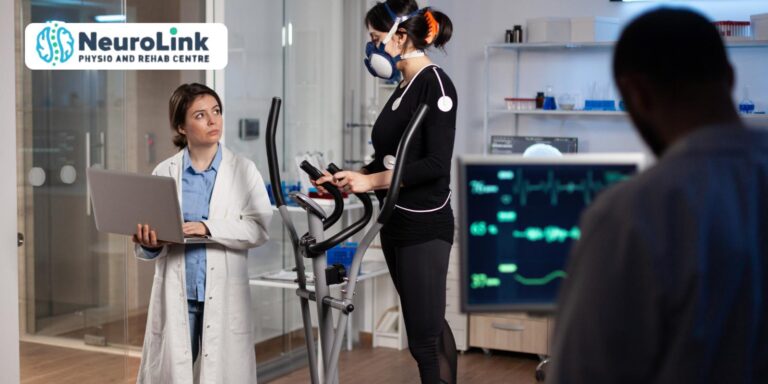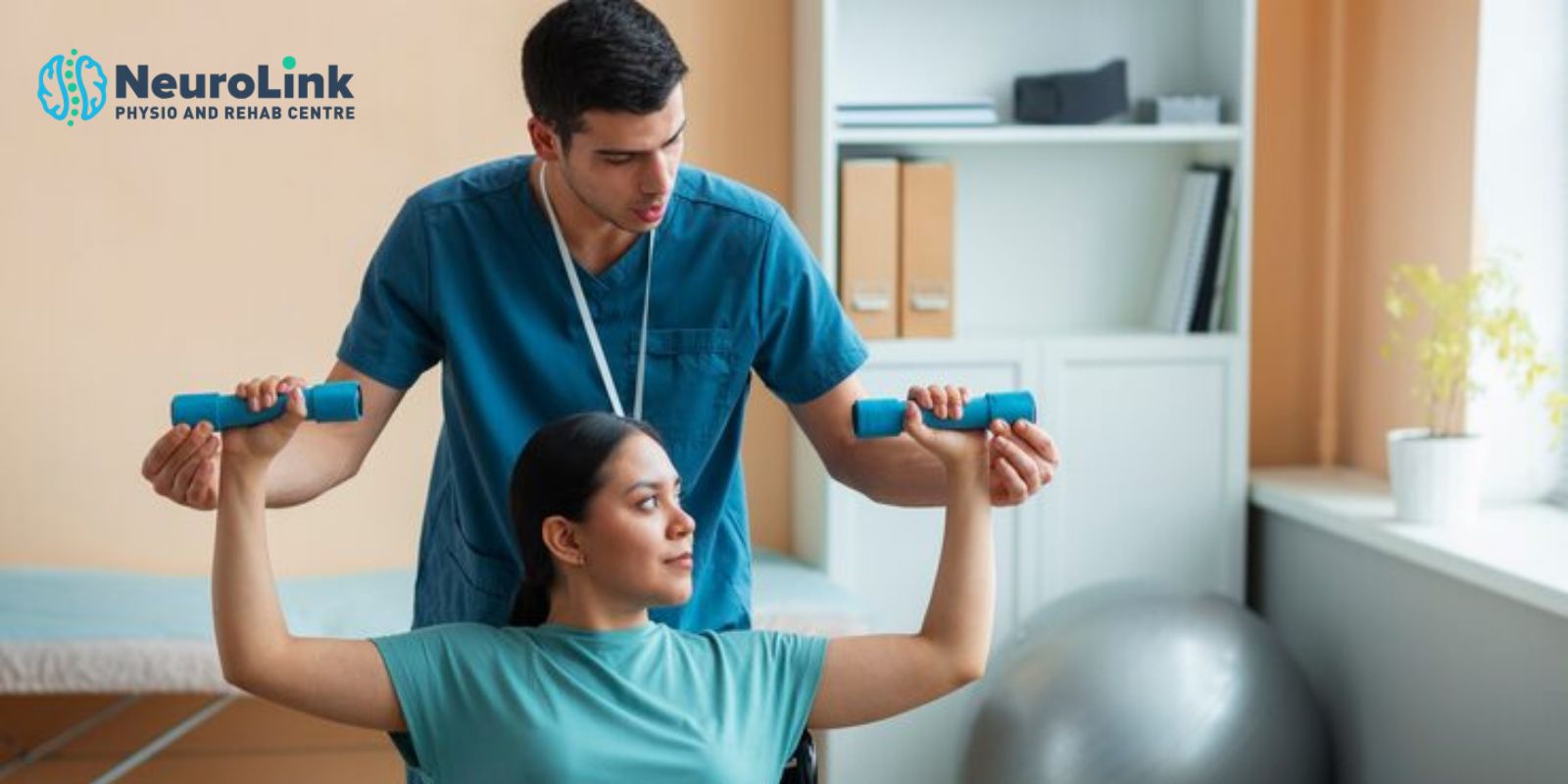
Paralysis can change many parts of daily life. A person may find it difficult to walk, stand, move their hands, maintain balance, or perform simple activities. Even small tasks, such as holding a glass of water or getting out of bed, may need extra support. However, with the right rehabilitation plan, regular physiotherapy, and proper guidance at a professional hyderabad rehab centre, many people with paralysis can work towards better movement, improved mobility, and greater independence
If you are looking for a hyderabad rehab centre for paralysis recovery, choosing a centre that provides personalised rehabilitation can make an important difference. Physiotherapy helps patients practise movements, improve muscle strength, develop better balance, and build confidence in everyday activities.
At NeuroLink Rehab Centre, the focus is on helping people improve their physical abilities through planned rehabilitation and supportive care. With suitable exercises, guided movement training, and regular progress monitoring, patients can work towards their individual recovery goals.
What Is Paralysis and How Does It Affect Daily Life?
Paralysis is a condition in which a person loses some or all movement in one or more parts of the body. It usually happens when the brain, spinal cord, or nerves cannot send normal movement signals to the muscles.
The effects of paralysis can be different for every person. Some people may have weakness on one side of the body, while others may experience difficulty moving both legs or all four limbs.
Common challenges include:
- Difficulty walking or standing without support.
- Weakness in the arms, hands, or legs.
- Trouble maintaining body balance.
- Difficulty holding or picking up objects.
- Reduced muscle strength.
- Difficulty changing positions in bed.
- Challenges with everyday activities.
These changes can make daily life more difficult. However, a well-planned rehabilitation programme can help patients practise important movements and improve their ability to perform daily tasks.
A professional hyderabad rehab centre can provide structured support according to the patient’s movement ability, medical condition, and recovery goals.
How Does Physiotherapy Help in Paralysis Rehabilitation?
Physiotherapy is an important part of paralysis rehabilitation. It uses guided exercises, movement training, and physical activities to help patients improve their movement abilities.
The main aim is to help patients use their muscles better, practise safe movements, and become more independent in daily life.
At NeuroLink Rehab Centre, rehabilitation focuses on individual needs and suitable physical training.
Here are some important ways physiotherapy can support paralysis recovery.
1. Helps Improve Muscle Strength
Muscle weakness is one of the common problems experienced by people with paralysis. When muscles are not used regularly, they may become weaker over time.
Physiotherapy includes suitable exercises that help patients practise muscle movements and maintain physical strength.
Depending on the patient’s condition, a physiotherapist may recommend:
- Gentle arm and leg movements.
- Assisted muscle exercises.
- Resistance exercises when suitable.
- Repeated movement practice.
- Strength-building activities.
These exercises help patients work towards better muscle control and improved physical activity.
A good hyderabad rehab centre provides exercises according to the patient’s current abilities instead of giving the same routine to everyone.
2. Supports Better Walking Ability
Walking is one of the most important recovery goals for many people with paralysis.
Some patients may need help moving their legs, while others may find it difficult to stand or take steps.
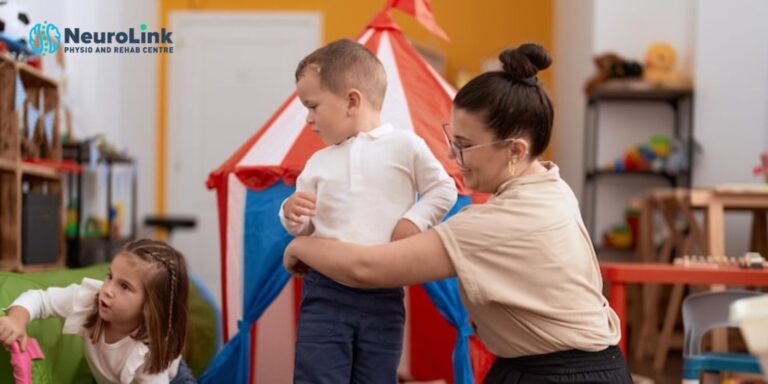
Physiotherapy can include walking practice, weight-shifting activities, and supported standing exercises.
These activities help patients practise:
- Moving one leg at a time.
- Taking supported steps.
- Maintaining an upright position.
- Improving coordination between both legs.
- Building confidence during walking.
With regular supervised practice, suitable patients can work towards improving their walking ability.
At a specialised hyderabad rehab centre, walking exercises can be adjusted as the patient’s abilities change.
3. Improves Body Balance and Coordination
Balance is needed for many everyday activities. It helps us sit, stand, walk, turn, and change positions safely.
After paralysis, a person may find it difficult to control body movements. This can make standing and walking challenging.
Physiotherapy includes balance and coordination exercises to help patients practise controlling their bodies.
Some activities may include:
- Sitting balance exercises.
- Supported standing practice.
- Weight-shifting exercises.
- Controlled reaching activities.
- Guided body movement training.
These exercises help patients develop better control over their movements.
A hyderabad rehab centre with structured physiotherapy can help patients practise these activities under professional supervision.
4. Helps Improve Arm and Hand Movements
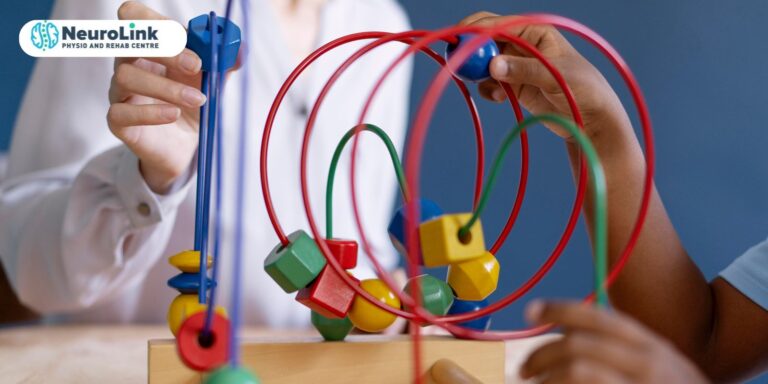
Paralysis may also affect the arms, wrists, and fingers. A person may have difficulty holding a spoon, lifting a cup, buttoning a shirt, or picking up small objects.
Physiotherapy and functional movement training can help patients practise these activities.
Depending on their needs, exercises may include:
- Opening and closing the hands.
- Gentle wrist movements.
- Picking up lightweight objects.
- Reaching for nearby items.
- Practising controlled arm movements.
These activities help patients work towards better hand function and improved use of their arms.
At NeuroLink Rehab Centre, rehabilitation goals can include practising everyday movements that are important to the patient’s routine.
5. Supports Better Flexibility and Joint Movement
When a person cannot move a body part regularly, the muscles and joints may become stiff.
This stiffness can make movement more difficult and uncomfortable.
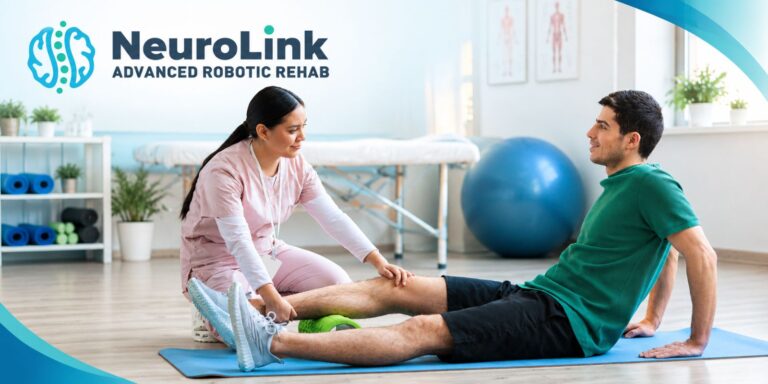
Physiotherapists may use guided stretching, range-of-motion exercises, and suitable positioning techniques to support joint movement.
These activities may help:
- Maintain joint flexibility.
- Reduce movement stiffness.
- Support comfortable positioning.
- Improve the movement range of affected limbs.
- Make daily movement practice easier.
A professional hyderabad rehab centrecan help patients follow suitable exercises while avoiding unnecessary strain.
6. Helps Patients Become More Independent
One of the main goals of paralysis rehabilitation is to help patients perform more activities on their own.
Even small improvements can make daily life easier.
For example, a patient may gradually practise:
- Sitting up in bed.
- Moving from bed to a chair.
- Standing with suitable support.
- Holding a glass.
- Using the affected hand.
- Performing personal care activities.
Physiotherapy and functional rehabilitation help patients practise these activities step by step.
At NeuroLink Rehab Centre, the focus is on improving practical movement skills that can support everyday independence.
Important Physiotherapy Techniques Used in Paralysis Rehabilitation
Every patient has different movement needs. Therefore, physiotherapy exercises should be selected according to the patient’s condition, strength, and recovery stage.
A specialised hyderabad rehab centre may use different rehabilitation techniques to support movement and physical function.
1. Passive Range of Motion Exercises
In passive exercises, the physiotherapist gently moves the patient’s affected arm or leg.
These exercises are useful when the patient cannot move a particular body part independently.
They help maintain joint movement and flexibility.
2. Active-Assisted Exercises
In these exercises, the patient tries to move a body part with some help from the physiotherapist.
For example, the patient may try to lift an arm while the therapist provides support.
This allows the patient to practise movement according to their ability.
3. Active Movement Exercises
When patients can move their muscles independently, they may practise active exercises.
These activities help improve movement control and muscle use.
4. Balance Training
Balance exercises help patients practise sitting, standing, reaching, and changing positions.
These exercises are important for improving control during everyday activities.
5. Gait Training
Gait training means practising walking.
A physiotherapist may use walking bars, suitable support devices, or assisted walking exercises to help patients practise safe movement.
6. Functional Training
Functional training focuses on activities that people perform in everyday life.
Examples include standing from a chair, reaching for objects, changing positions, and practising transfers.
These exercises help patients connect their rehabilitation sessions with real-life activities.
How Robotic Rehabilitation Can Support Paralysis Recovery
Modern rehabilitation technology can provide additional support during paralysis recovery.
Robotic rehabilitation systems are designed to help patients practise repeated movements with guided assistance.
Depending on the equipment and the patient’s condition, robotic rehabilitation may support:
- Repeated leg movement practice.
- Guided walking activities.
- Controlled movement training.
- Better movement practice consistency.
- Structured rehabilitation sessions.
Repeated movement practice is an important part of neurological rehabilitation. Robotic systems can help therapists provide structured and guided training.
At NeuroLink Rehab Centre, advanced rehabilitation approaches can complement conventional physiotherapy according to individual patient requirements.
A hyderabad rehab centre that combines suitable technology with professional guidance can offer patients different options for practising movement.
However, robotic rehabilitation is not suitable for every patient. A qualified rehabilitation team should first assess the patient’s needs.
Why Is Regular Physiotherapy Important After Paralysis?
Paralysis recovery is a process that may require regular practice and professional guidance.
Physiotherapy helps patients continue working on their movement goals through planned exercises and repeated activities.
Regular rehabilitation can help:
- Maintain muscle activity.
- Practise controlled movements.
- Improve physical strength.
- Develop better balance.
- Support joint flexibility.
- Improve daily activity skills.
- Build confidence during movement.
The progress of each patient is different. Some people may notice changes in certain movements earlier, while others may need longer periods of guided practice.
A reliable hyderabad rehab centre focuses on the patient’s individual progress instead of making unrealistic promises about recovery time.
What Should You Look for in a Paralysis Rehabilitation Centre in Hyderabad?
Choosing the right rehabilitation centre is an important step for patients and their families.
The right environment can make it easier to follow a regular rehabilitation routine and work towards personal recovery goals.
Here are some important things to consider when selecting a hyderabad rehab centre.
1. Personalised Rehabilitation Plans
Every patient has different needs. Look for a centre that assesses the patient’s movement, muscle strength, balance, and daily activity challenges before planning exercises.
2. Experienced Rehabilitation Professionals
Professional guidance is important during paralysis rehabilitation. A trained rehabilitation team can select suitable exercises and monitor the patient’s progress.
3. Modern Rehabilitation Equipment
Suitable rehabilitation equipment can support different types of movement training.
Ask whether the centre offers facilities that match the patient’s rehabilitation needs.
4. Neurological Rehabilitation Services
Paralysis often involves changes in the nervous system. A centre with neurological rehabilitation experience may be better equipped to plan suitable movement-based training.
5. Regular Progress Monitoring
Recovery goals may change as the patient improves. Regular assessments help the rehabilitation team adjust exercises according to the patient’s abilities.
6. Family Guidance
Family members often play an important role in supporting patients at home.
A good rehabilitation team can guide caregivers about safe positioning, movement assistance, and suitable daily activities.
When choosing a hyderabad rehab centre, consider these factors to make an informed decision.
Why Choose NeuroLink Rehab Centre for Paralysis Rehabilitation?
Choosing a suitable rehabilitation centre can help patients receive structured support during their recovery journey.
NeuroLink Rehab Centre focuses on neurological rehabilitation and movement improvement through personalised therapy and guided physical training.
The centre aims to help patients improve their physical abilities and work towards greater independence.
Some important rehabilitation features include:
- Neurological Rehabilitation: Structured rehabilitation support for people experiencing movement difficulties after neurological conditions.
- Physiotherapy: Guided exercises to practise muscle movements, strength, balance, and coordination.
- Robotic Rehabilitation: Advanced technology-assisted movement training where clinically appropriate.
- Walking and Mobility Training: Exercises designed to practise standing, walking, and functional movement.
- Personalised Care: Rehabilitation activities planned according to the patient’s needs and abilities.
- Inpatient and Outpatient Support: Rehabilitation options to suit different patient requirements.
If you are searching for a hyderabad rehab centre NeuroLink Rehab Centre can be considered for professional guidance and structured paralysis rehabilitation.
The goal is to help each patient work towards meaningful improvements in movement, daily activities, and quality of life.
How Can Family Members Support Paralysis Rehabilitation at Home?
Family support is an important part of the rehabilitation journey.
Patients often feel more comfortable when their family members encourage them and help them follow their rehabilitation routine.
Here are some simple ways family members can provide support:
1. Encourage Regular Practice
Help the patient follow the exercise routine recommended by the physiotherapist.
2. Create a Safe Environment
Keep walking areas clear and arrange suitable support to reduce the risk of falls.
3. Support Daily Activities
Encourage patients to practise suitable daily activities with the level of assistance recommended by their rehabilitation team.
4. Celebrate Small Improvements
Every improvement matters. Encourage patients when they complete a new movement or perform an activity with less assistance.
5. Follow Professional Guidance
Do not try difficult exercises without guidance. Follow the physiotherapist’s instructions for safe movement and positioning.
6. Maintain a Positive Environment
Patience, encouragement, and emotional support can help patients stay motivated during rehabilitation.
A hyderabad rehab centre can also guide family members about suitable home-based activities and patient care.
How Long Does Paralysis Rehabilitation Take?
There is no fixed recovery time for paralysis.
The duration depends on several factors, including:
- The cause of paralysis.
- The area of the body affected.
- The severity of movement difficulties.
- The patient’s overall health.
- The time rehabilitation begins.
- The patient’s response to therapy.
- The regularity of rehabilitation practice.
Some patients may make progress in certain activities within a few weeks, while others may need longer rehabilitation.
The main focus should be on safe, steady, and meaningful improvement rather than comparing one patient’s progress with another.
A professional hyderabad rehab centre can assess the patient and develop a rehabilitation plan based on individual needs.
Frequently Asked Questions About Paralysis Rehabilitation in Hyderabad
1. Which is the best hyderabad rehab centre for paralysis rehabilitation?
The right rehabilitation centre should provide personalised neurological rehabilitation, physiotherapy, movement training, and suitable professional supervision. NeuroLink Rehab Centre offers neurological rehabilitation and physiotherapy services to support patients working towards better mobility and independence.
2. Can physiotherapy help a paralysed person walk again?
Physiotherapy can help suitable patients practise walking, improve leg strength, develop balance, and improve movement control. The amount of improvement depends on the cause and severity of paralysis and the patient’s response to rehabilitation.
3. How does a hyderabad rehab centre help paralysis patients?
A hyderabad rehab centre provides structured rehabilitation through physiotherapy, balance exercises, muscle training, walking practice, and functional movement activities. The rehabilitation programme is planned according to the patient’s condition and individual goals.
4. When should paralysis rehabilitation begin?
Rehabilitation should begin as soon as the treating medical team confirms that the patient is medically stable and ready for therapy. Early professional assessment can help identify suitable rehabilitation goals.
5. Can robotic rehabilitation help paralysis patients?
Robotic rehabilitation can support repeated and guided movement practice for selected patients. It may be used alongside conventional physiotherapy depending on the patient’s condition and rehabilitation goals.
6. Can paralysis patients improve their hand and leg movements?
Yes, some patients can improve their hand and leg movements through suitable rehabilitation exercises. Physiotherapy may include stretching, assisted movements, strength exercises, and functional activities.
7. Is regular physiotherapy necessary for paralysis recovery?
Regular physiotherapy helps patients practise movements, maintain physical activity, and work towards their recovery goals. The frequency and duration should be decided by the rehabilitation professional.
8. Does NeuroLink Rehab Centre provide neurological rehabilitation?
NeuroLink Rehab Centre focuses on neurological rehabilitation and physiotherapy, including movement and mobility training for patients with neurological conditions.
9. Can paralysis patients perform exercises at home?
Yes, patients may perform selected home exercises recommended by their physiotherapist. The exercises should match their abilities and should be performed according to professional instructions.
10. What is the main goal of paralysis rehabilitation?
The main goal is to help patients improve movement, strength, balance, coordination, and the ability to perform everyday activities. Rehabilitation also aims to support greater independence and quality of life.
Take the First Step Towards Better Mobility with NeuroLink Rehab Centre
Paralysis may create challenges in walking, standing, balancing, and performing everyday activities. However, the right rehabilitation approach can help patients work towards improving their physical abilities.
Physiotherapy plays an important role by supporting muscle strength, joint movement, balance, coordination, and functional activities.
If you are looking for a hyderabad rehab centre consider professional rehabilitation support that focuses on your needs and recovery goals
NeuroLink Rehab Centre is committed to supporting patients through structured neurological rehabilitation, physiotherapy, and advanced movement training.
Take the first step towards better mobility with the right rehabilitation guidance.
Contact NeuroLink Rehab Centre to learn more about paralysis rehabilitation and available physiotherapy services in Hyderabad.
📞 Contact Us: 97 0303 0405
🌐 Explore Our Services:
https://neurolinkrehab.com/services/
📱 Follow Us on Instagram:
https://www.instagram.com/neurolink.hyd
📘 Follow Us on Facebook:
https://www.facebook.com/neurolinkrehab
NeuroLink Rehab — Supporting Better Recovery, Mobility & Independence.